Digital Dependency: Understanding the Modern Epidemic
In today's digital age, we are constantly connected to our devices, and our reliance on them has become a defining trait of modern society. But what does it mean to be digitally dependent, and how is it affecting our lives?
The Rise of Digital Dependency
Digital dependency refers to the overreliance on digital devices, technologies, or online services, which can impact various aspects of an individual's life. It's a complex issue that involves not only the individual but also the social and economic structures that perpetuate it. According to a recent study, the global prevalence of digital dependency is on the rise, with more and more people struggling to disconnect from their devices and maintain a healthy balance between their digital and offline lives.
The Consequences of Digital Dependency
The consequences of digital dependency are far-reaching and can have severe impacts on our physical and mental health, relationships, and productivity. Some of the common symptoms of digital dependency include:
- Excessive screen time
- Difficulty disconnecting from devices
- Mental health issues, such as anxiety and depression
- Social isolation and loneliness
- Reduced productivity and concentration
Recognizing the Signs of Digital Dependency
Recognizing the signs of digital dependency is the first step towards recovery. Here are some common indicators that you or someone you know may be struggling with digital dependency:
- Spending excessive amounts of time on digital devices
- Feeling anxious or irritable when unable to access digital devices
- Using digital devices as a coping mechanism for stress or emotions
- Difficulty disconnecting from digital devices, even in social situations
- Feeling a sense of FOMO (fear of missing out) when not connected to digital devices
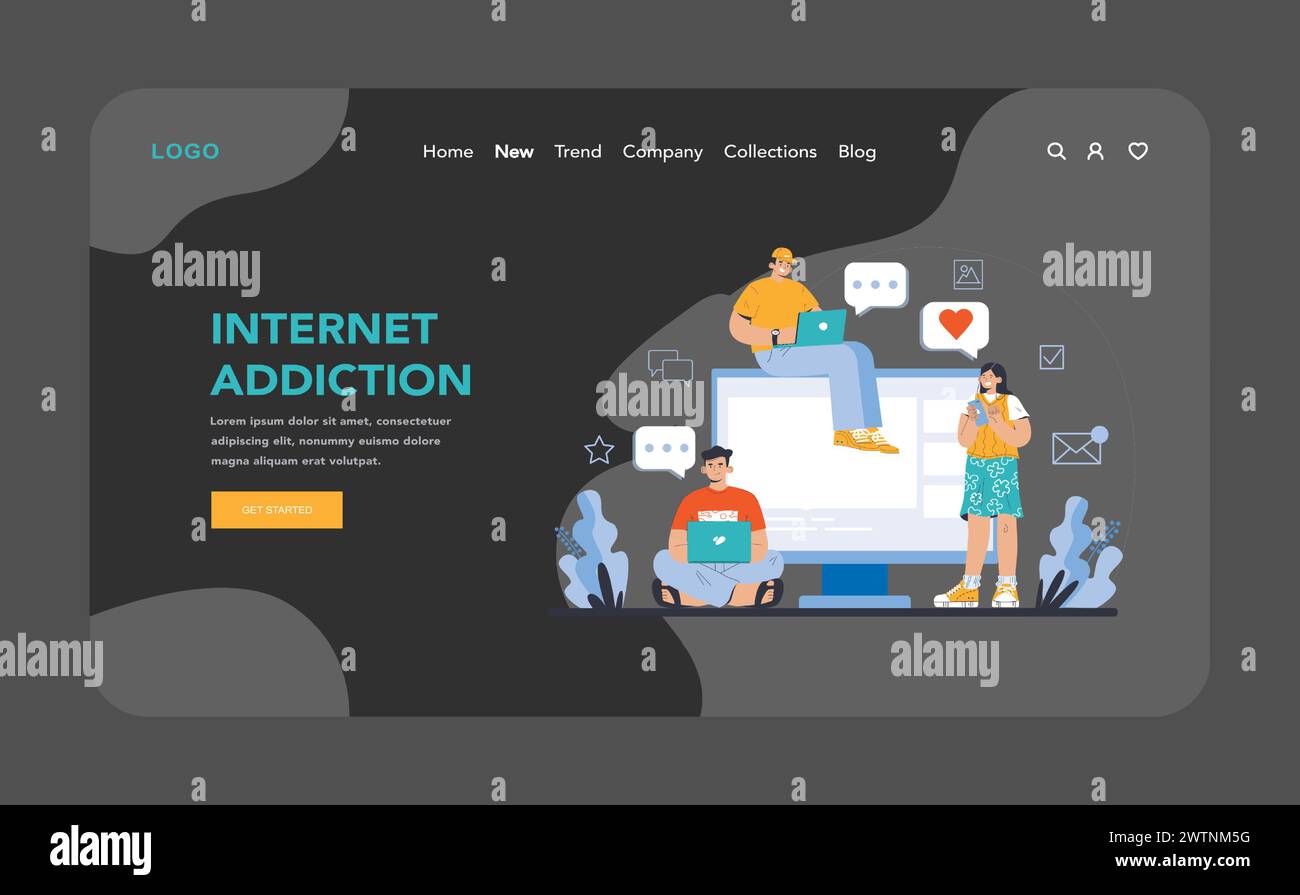
Breaking Free from Digital Dependency
Breaking free from digital dependency requires a combination of self-awareness, self-regulation, and support. Here are some strategies that can help you overcome digital dependency:
- Set goals and boundaries for digital device use
- Practice digital minimalism and reduce screen time
- Engage in offline activities, such as reading, exercise, or spending time in nature
- Seek support from friends, family, or a therapist
- Use digital tools and apps that promote digital balance and well-being
Conclusion
Digital dependency is a complex issue that requires a multifaceted approach to address. By recognizing the signs of digital dependency, setting boundaries, and engaging in offline activities, we can break free from the shackles of digital dependency and maintain a healthy balance between our digital and offline lives. Remember, digital resources are tools, not substitutes for human connection and experiences. Let's take control of our digital lives and cultivate a more mindful and balanced approach to technology use.
References
This article draws from various sources, including:
- Maximilian Mayer et al. (2023). Digital Autonomy? Measuring the Global Digital Dependence Structure.
- World Economic Forum. (2022). Global Risks Report.
- Rosie McCracken. (2024). Digital Dependency: Overreliance on Digital Communication.
- Christine Abello. (2025). The Impact of Digital Lives.