Hyperconnectivity in the Energy Industry: The Future of Sustainable Energy Management
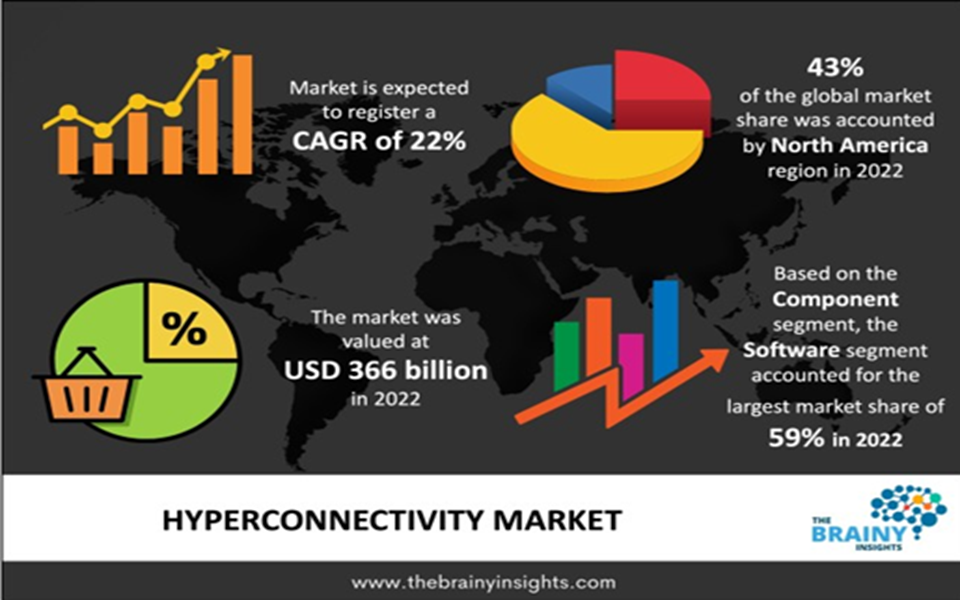
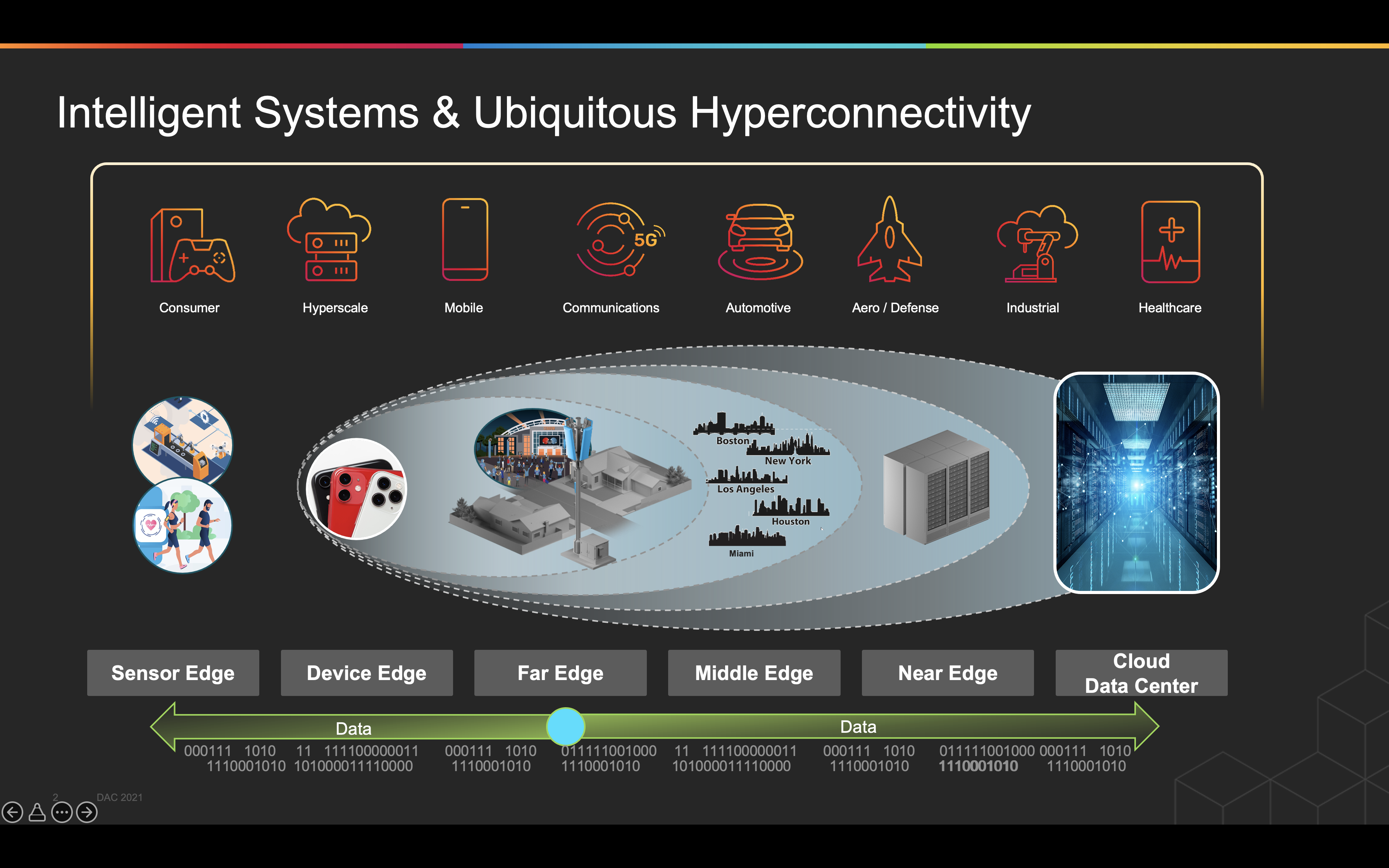
The energy industry is undergoing a significant transformation, driven by the increasing use of digital technologies and the growing demand for cleaner and more sustainable energy sources. One of the key drivers of this transformation is hyperconnectivity, which refers to the rapid and widespread adoption of digital technologies that enable the seamless exchange of data between devices, systems, and people.
The Benefits of Hyperconnectivity in the Energy Industry
- Enhanced Energy Efficiency**: Hyperconnectivity enables the implementation of smart grids, real-time energy monitoring, and demand response systems, promoting sustainability and energy efficiency.
- Increased Productivity**: Hyperconnectivity in the industrial sector enables the inclusion of tools for continuous improvement, boosting productivity and efficiency.
- Improved Customer Experience**: Hyperconnectivity enables the integration of decentralized energy resources, such as rooftop solar and home batteries, into digital systems, enabling responsiveness, market participation, and efficiency.
The Challenges of Hyperconnectivity in the Energy Industry
While hyperconnectivity offers many benefits, it also poses significant challenges to the energy industry. For example:
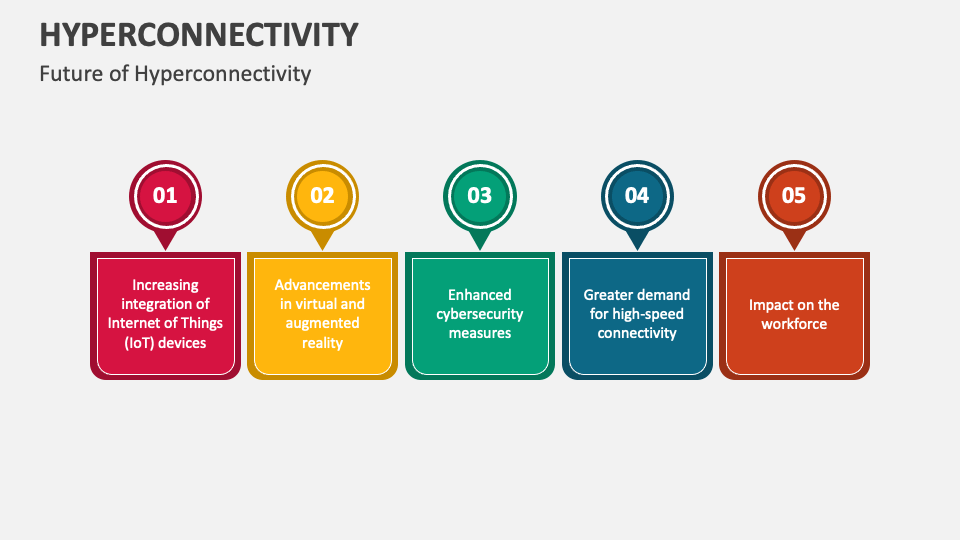
- Increased Cybersecurity Risks**: The increased connectivity of energy systems creates new vulnerabilities to cyber threats, which can compromise the security and reliability of energy infrastructure.
- Dependence on Digital Technologies**: The energy industry's growing dependence on digital technologies creates risks associated with equipment failure, data loss, and other disruptions.
- Regulatory Challenges**: The rapid pace of technological change in the energy industry creates challenges for regulatory bodies to keep pace with new technologies and business models.
Opportunities for Growth and Innovation
Despite the challenges, hyperconnectivity presents significant opportunities for growth and innovation in the energy industry. For example:
- Emerging Applications for AI**: Artificial intelligence (AI) offers the potential to enable change on the grid at a non-linear pace and scale, while unlocking opportunities to accelerate the broader transition to a clean energy economy.
- Grid-Connected Energy Storage**: The integration of energy storage systems into the grid enables the efficient management of energy supply and demand, reducing the strain on energy infrastructure.
- Industrial Internet of Things (IoT)**: The IoT enables the connection of industrial equipment and infrastructure to the internet, creating new opportunities for automation, optimization, and innovation.
Conclusion
Hyperconnectivity is transforming the energy industry, presenting both opportunities and challenges. As the industry continues to evolve, it is essential for stakeholders to work together to address the challenges and capitalize on the opportunities presented by hyperconnectivity. By doing so, we can create a more sustainable, efficient, and resilient energy system for generations to come.
References
- Global Hyperconnectivity Market Report 2021-2031
- Internet of Things (IoT) in the Hospitality Industry
- Worldwide Hyperscale Data Center Industry to 2027
- Studio Hyperset: Enterprise Application for Energy Industry
- Performance demands and sustainability pressures in the data center industry
- Global Hyperconnectivity Market 2019-2029
- By 2025, USA: Hyperscale data centres and submarine cables are set to change the world
- The Internet of Energy: Enabling a Common TCP/IP Standard for Energy
Additional Resources
- Wind Energy - A Comprehensive Approach
- 2023 Status Report on the Global Energy Transition
- hyperconnectivity for use in Innovations in the Energy and Utilities sector
- Hyper-connectivity- comparatively discussed versus, “Web-based archives”,plus tl;s other
- Enhanced Energy Efficiency**: Hyperconnectivity enables the implementation of smart grids, real-time energy monitoring, and demand response systems, promoting sustainability and energy efficiency.
- Increased Productivity**: Hyperconnectivity in the industrial sector enables the inclusion of tools for continuous improvement, boosting productivity and efficiency.
- Improved Customer Experience**: Hyperconnectivity enables the integration of decentralized energy resources, such as rooftop solar and home batteries, into digital systems, enabling responsiveness, market participation, and efficiency.
- Increased Cybersecurity Risks**: The increased connectivity of energy systems creates new vulnerabilities to cyber threats, which can compromise the security and reliability of energy infrastructure.
- Dependence on Digital Technologies**: The energy industry's growing dependence on digital technologies creates risks associated with equipment failure, data loss, and other disruptions.
- Regulatory Challenges**: The rapid pace of technological change in the energy industry creates challenges for regulatory bodies to keep pace with new technologies and business models.
- Emerging Applications for AI**: Artificial intelligence (AI) offers the potential to enable change on the grid at a non-linear pace and scale, while unlocking opportunities to accelerate the broader transition to a clean energy economy.
- Grid-Connected Energy Storage**: The integration of energy storage systems into the grid enables the efficient management of energy supply and demand, reducing the strain on energy infrastructure.
- Industrial Internet of Things (IoT)**: The IoT enables the connection of industrial equipment and infrastructure to the internet, creating new opportunities for automation, optimization, and innovation.
- Global Hyperconnectivity Market Report 2021-2031
- Internet of Things (IoT) in the Hospitality Industry
- Worldwide Hyperscale Data Center Industry to 2027
- Studio Hyperset: Enterprise Application for Energy Industry
- Performance demands and sustainability pressures in the data center industry
- Global Hyperconnectivity Market 2019-2029
- By 2025, USA: Hyperscale data centres and submarine cables are set to change the world
- The Internet of Energy: Enabling a Common TCP/IP Standard for Energy
- Wind Energy - A Comprehensive Approach
- 2023 Status Report on the Global Energy Transition
- Hyper-connectivity for use in Innovations in the Energy and Utilities sector
- Hyper-connectivity comparatively discussed versus, “Web-based archives”, plus other
- Global Hyperconnectivity Market - Report Highlights the Growth and Trend for 2021 and 2031
Hyperconnectivity in the Energy Industry: The Future of Sustainable Energy Management
The energy industry is undergoing a significant transformation, driven by the increasing use of digital technologies and the growing demand for cleaner and more sustainable energy sources. One of the key drivers of this transformation is hyperconnectivity, which refers to the rapid and widespread adoption of digital technologies that enable the seamless exchange of data between devices, systems, and people.
The Benefits of Hyperconnectivity in the Energy Industry
The Challenges of Hyperconnectivity in the Energy Industry
While hyperconnectivity offers many benefits, it also poses significant challenges to the energy industry. For example:
Opportunities for Growth and Innovation
Despite the challenges, hyperconnectivity presents significant opportunities for growth and innovation in the energy industry. For example:
Conclusion
Hyperconnectivity is transforming the energy industry, presenting both opportunities and challenges. As the industry continues to evolve, it is essential for stakeholders to work together to address the challenges and capitalize on the opportunities presented by hyperconnectivity. By doing so, we can create a more sustainable, efficient, and resilient energy system for generations to come.