Managing Digital Fatigue Symptoms: 10 Actionable Tips to Reclaim Your Focus and Productivity
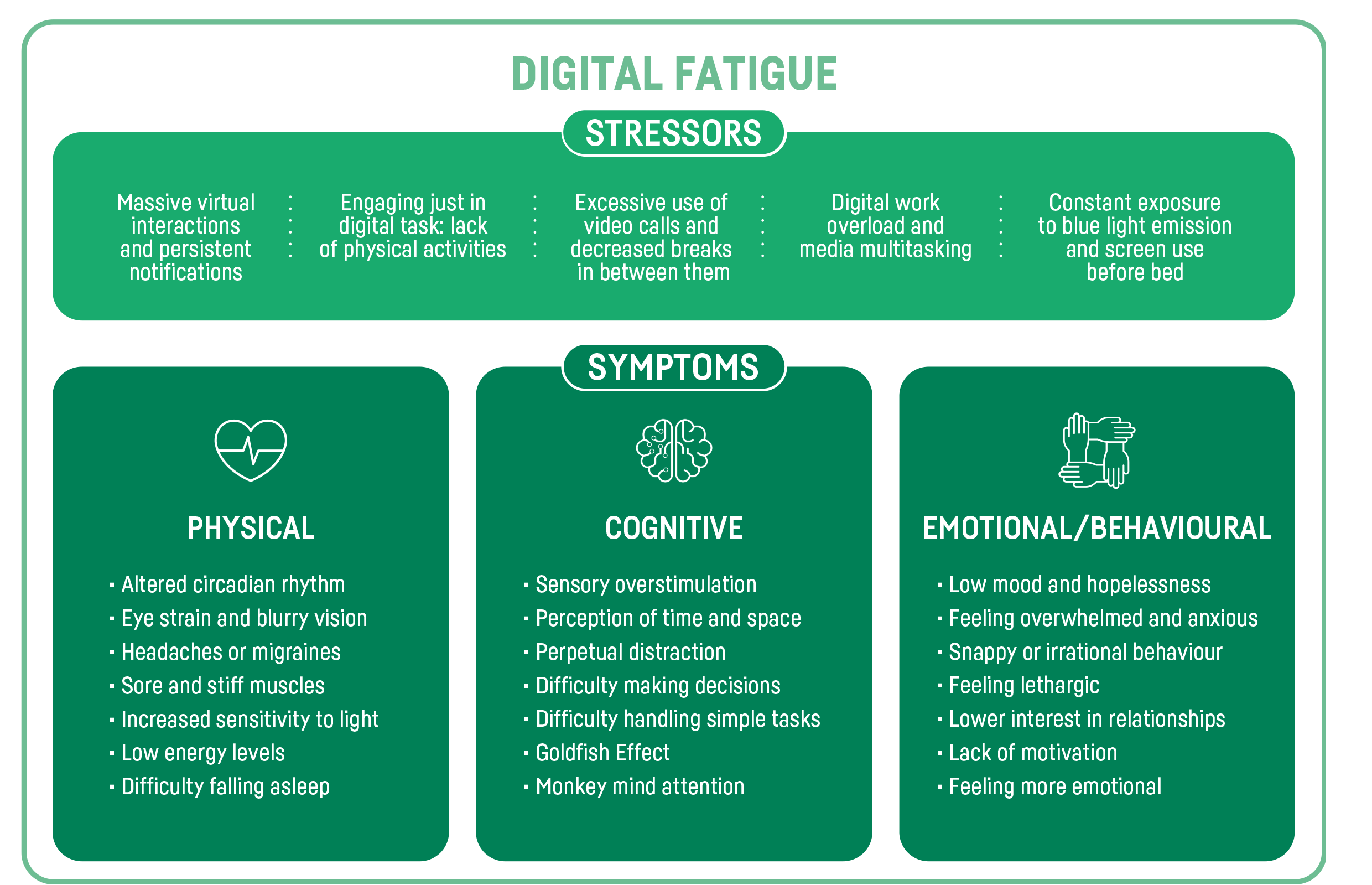
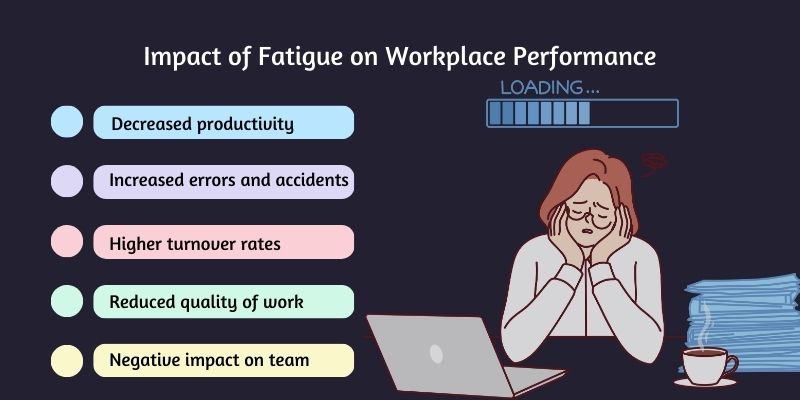
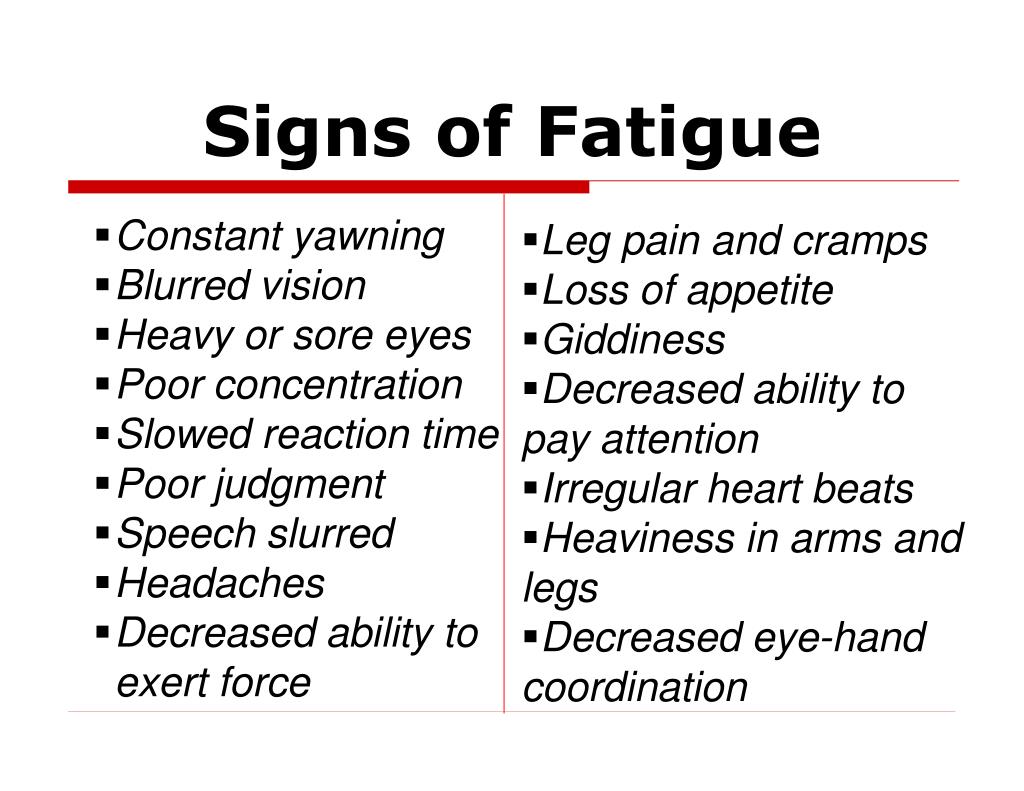
Are you feeling drained by screens, pings, and endless emails? Do you find yourself struggling to concentrate on tasks, feeling irritable and fatigued, and experiencing headaches or eye strain? If so, you're not alone. Digital fatigue is a growing concern in today's tech-heavy world, affecting both personal and professional lives. Managing digital fatigue symptoms is essential to maintaining productivity, relationships, and overall well-being.
Understanding Digital Fatigue
Digital fatigue refers to the feeling of extreme fatigue, detachment, and reduced motivation that results from overuse of digital devices and constant online engagement. It's similar to occupational burnout, but the root cause lies in continuous digital stimulation. Digital fatigue can have severe consequences, including anxiety, depression, and decreased productivity.
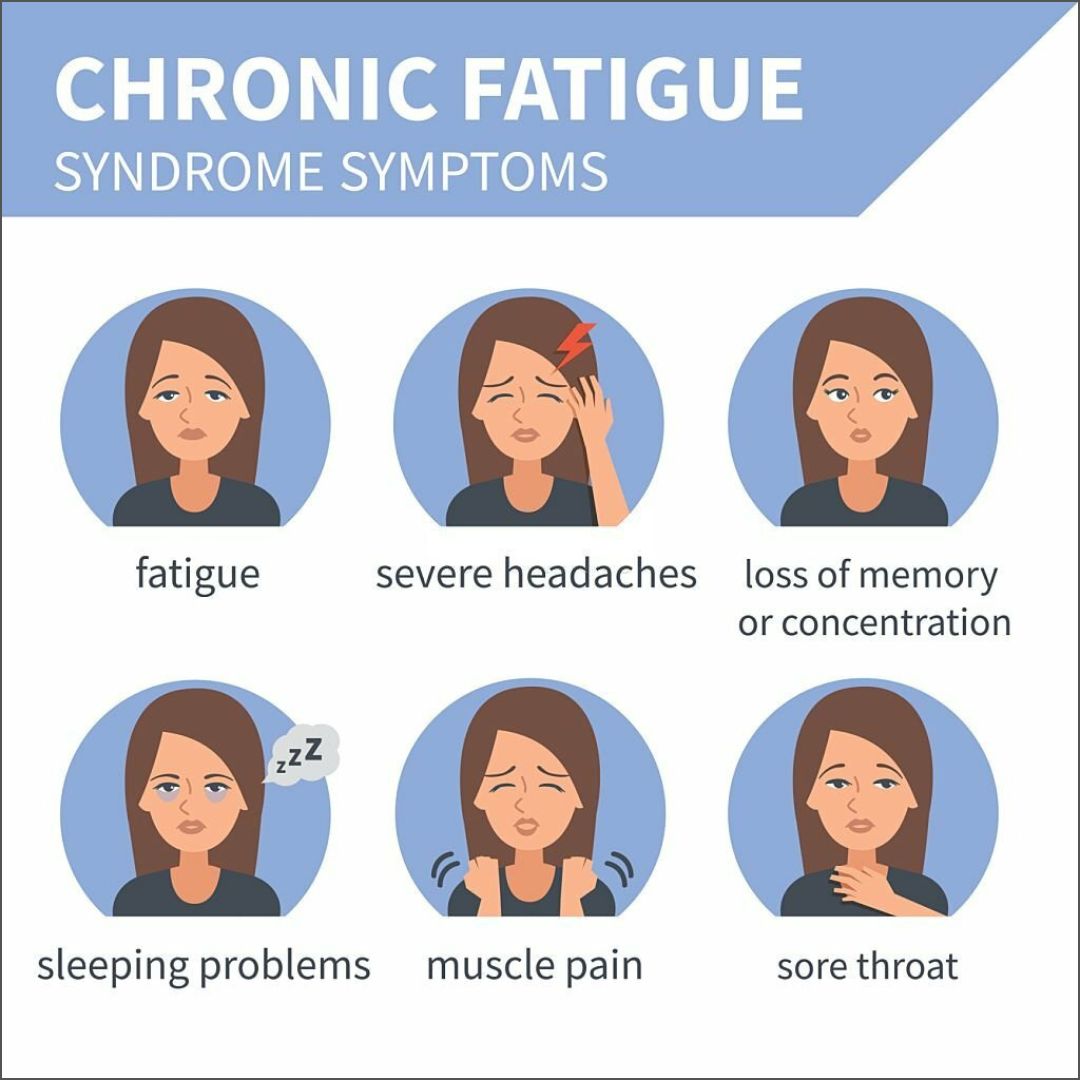
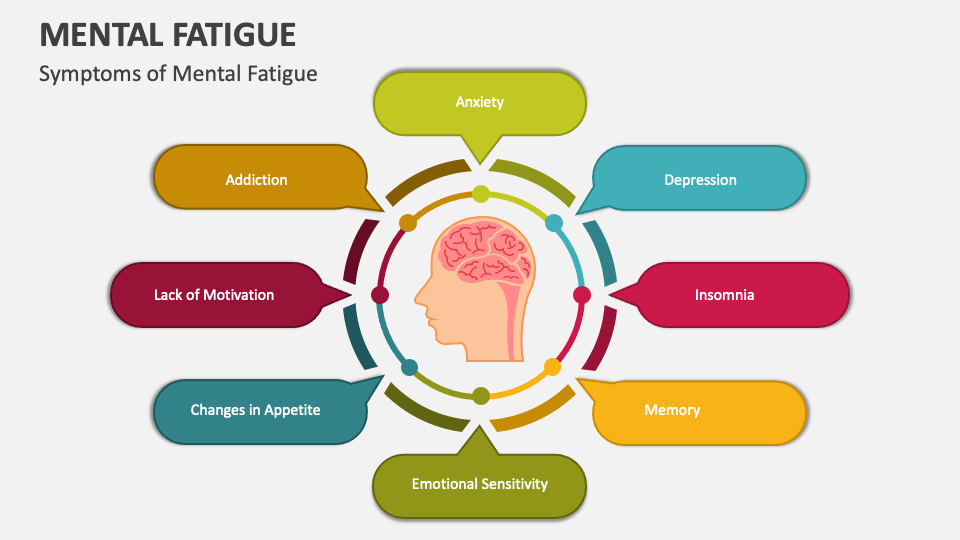
- Concentration and memory problems
- Irritability
- Headaches
- Hypersensitivity to noise
- Anxiety
- Sleep disturbances
- Reduced motivation
10 Actionable Tips to Manage Digital Fatigue Symptoms

Managing digital fatigue symptoms requires a comprehensive approach. Here are 10 actionable tips to help you reclaim your focus and productivity:
- Set Boundaries**: Establish a healthy balance between digital and offline activities. Set specific time limits for screen time and stick to it.
- Nature Breaks**: Take regular breaks to engage in outdoor activities, exercise, or hobbies. This can help reduce digital fatigue and improve mental well-being.
- Prioritize Tasks**: Focus on essential tasks and delegate or defer non-essential tasks to minimize digital time.
- Optimize Your Environment**: Adjust your workspace to promote eye comfort, reduce noise, and minimize distractions.
- Use Digital Tools**: Utilize software and apps that track and limit screen time, block distracting websites, or provide relaxation techniques.
- Practice Digital Detox**: Regularly disconnect from digital devices to reduce stimulation and promote relaxation.
- Exercise and Sleep**: Prioritize physical activity and aim for 7-8 hours of sleep to reduce fatigue and improve focus.
- Reduce Notifications**: Limit notifications and alerts to minimize digital stimulation and stress.
- Stay Hydrated and Nourished**: Drink plenty of water and eat a balanced diet to maintain energy levels.
- Seek Support**: Share your concerns with friends, family, or professionals to manage stress and develop coping strategies.
Conclusion
Managing digital fatigue symptoms requires a proactive approach. By implementing these 10 actionable tips, you can reduce digital fatigue, improve focus, and maintain productivity. Remember, self-care and digital balance are essential for overall well-being. Take the first step towards reclaiming your digital health today!