Initial LLC Setup: A Step-by-Step Guide to Forming a Limited Liability Company
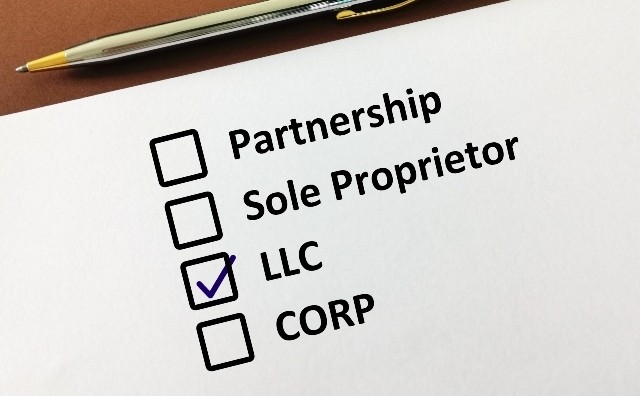
Are you thinking of starting a business and want to protect your personal assets from potential lawsuits and debts? Forming a Limited Liability Company (LLC) is an excellent way to achieve this goal. In this article, we will cover the initial LLC setup process, including the required documents, fees, and compliance obligations. We will also highlight the benefits of forming an LLC and provide you with a comprehensive guide to help you navigate the process.
Why Form an LLC?
Forming an LLC offers several advantages, including:
- Liability protection for personal assets
- Pass-through taxation, meaning business income is only taxed at the individual level
- Flexibility in management and ownership structure
- Ability to issue stock or ownership interests to raise capital
Step 1: Choose a Business Name
The first step in the initial LLC setup process is to choose a unique and distinguishable business name for your LLC. The name must comply with your state's naming regulations and must not be similar to any existing business name.
Step 2: Conduct a Name Search
Before finalizing your business name, conducting a name search with your state's business registration office is a good idea to ensure your name is unique and not already in use.
Step 3: File Articles of Organization
The next step is to file Articles of Organization with your state's business registration office. These documents outline the LLC's purpose, ownership structure, and management details.
Step 4: Obtain an EIN
An Employer Identification Number (EIN) is a unique identifier issued by the Internal Revenue Service (IRS) for tax purposes. You will need an EIN to file federal tax returns, apply for a business bank account, and obtain a business credit card.

Step 5: Draft an Operating Agreement
An Operating Agreement outlines the LLC's management structure, voting rights, and distribution of profits and losses among members. While not required by law, it's essential to have an Operating Agreement in place to avoid potential disputes among members.
Step 6: File Initial Reports
After forming your LLC, you will need to file initial reports with your state's business registration office within the specified timeframe. These reports typically require updated information about the LLC's members, managers, and business address.
Step 7: Obtain Licenses and Permits
Depending on your business activities, you may need to obtain additional licenses and permits from local, state, or federal authorities. Ensure you comply with all regulatory requirements to avoid fines and penalties.
Conclusion
Starting a business and setting up an LLC can seem daunting, but following these initial LLC setup steps will help you navigate the process. Remember to choose a unique business name, file Articles of Organization, obtain an EIN, draft an Operating Agreement, file initial reports, and obtain necessary licenses and permits. By doing so, you can protect your personal assets, comply with regulatory requirements, and establish a solid foundation for your business's success.
Additional Resources
For more information on forming an LLC, consult the following resources:
- State-specific LLC formation guides
- LLC formation services
- Business registration offices
- Small Business Administration (SBA) websites
- Professional business advisors
By following these steps and consulting the recommended resources, you can successfully complete the initial LLC setup process and establish a thriving business.