Secure Your Online Data Protection: A Guide to Safeguarding Your Digital Life
In today's digital age, protecting your online data is more crucial than ever. With the rise of cyber threats and identity theft, it's essential to be proactive about securing your personal information, devices, and privacy. In this guide, we'll show you how to safeguard your online presence and protect yourself from online threats.
Why is Online Data Protection Important?
When your personal information is compromised, the consequences can be severe. Threat actors can use your data to compromise your accounts, target you with personalized scams, and even steal your identity. Additionally, data breaches can result in costly lawsuits, damage to your reputation, and financial losses. By taking steps to protect your online data, you can avoid these risks and safeguard your digital life.
Simple Ways to Protect Your Online Data
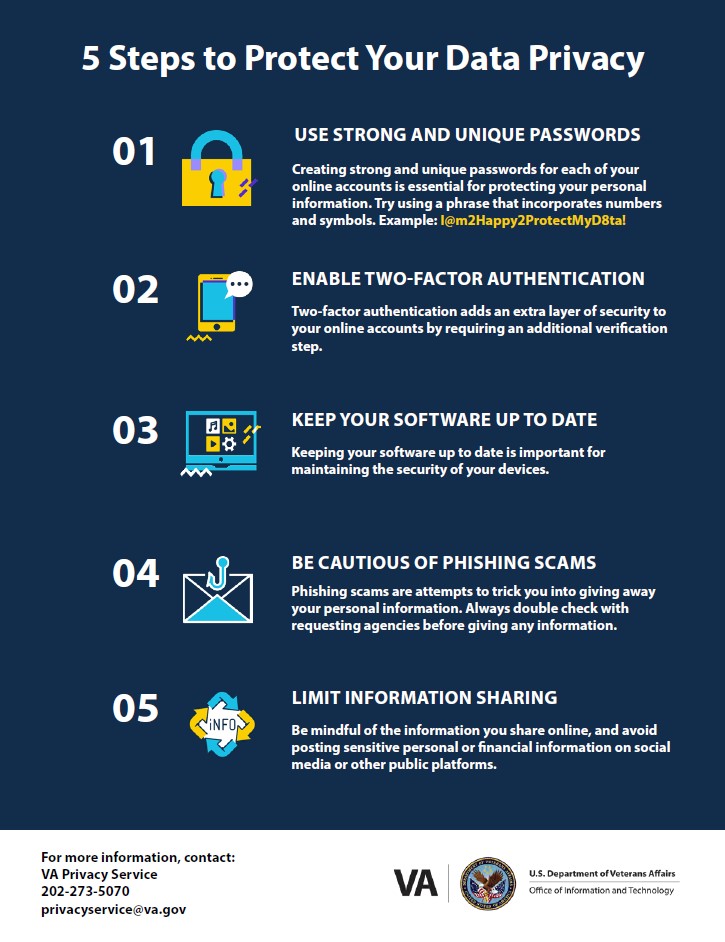
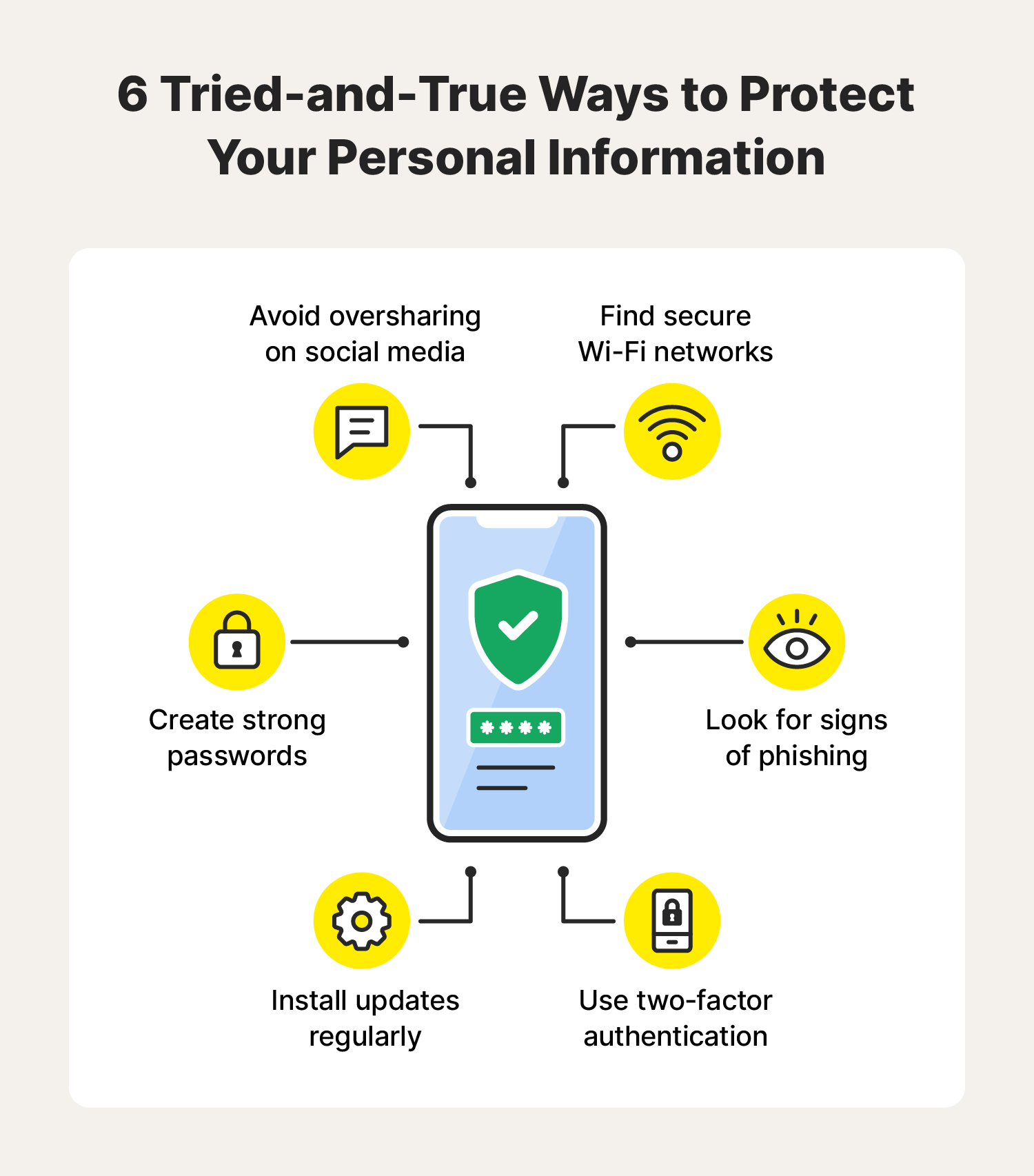
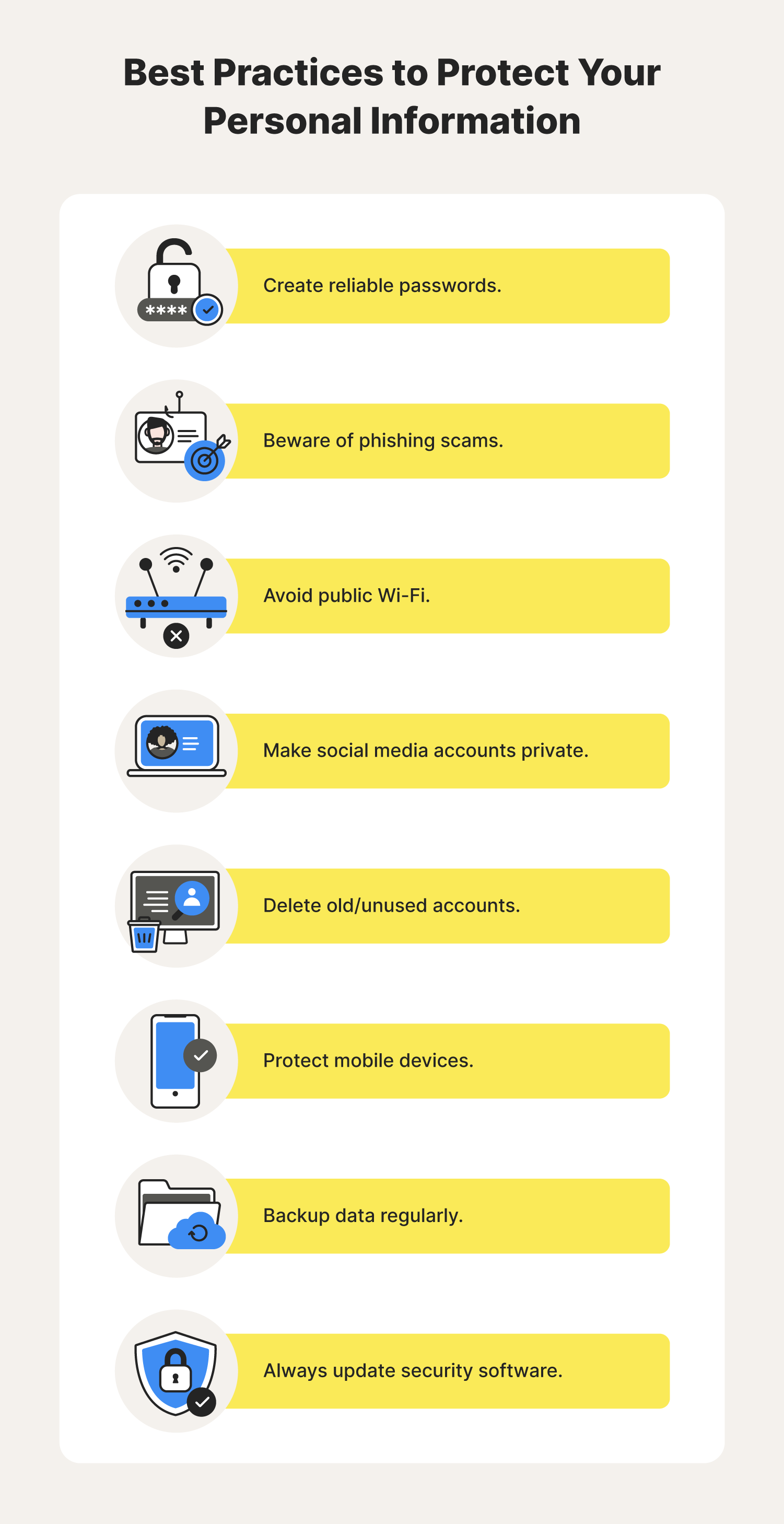
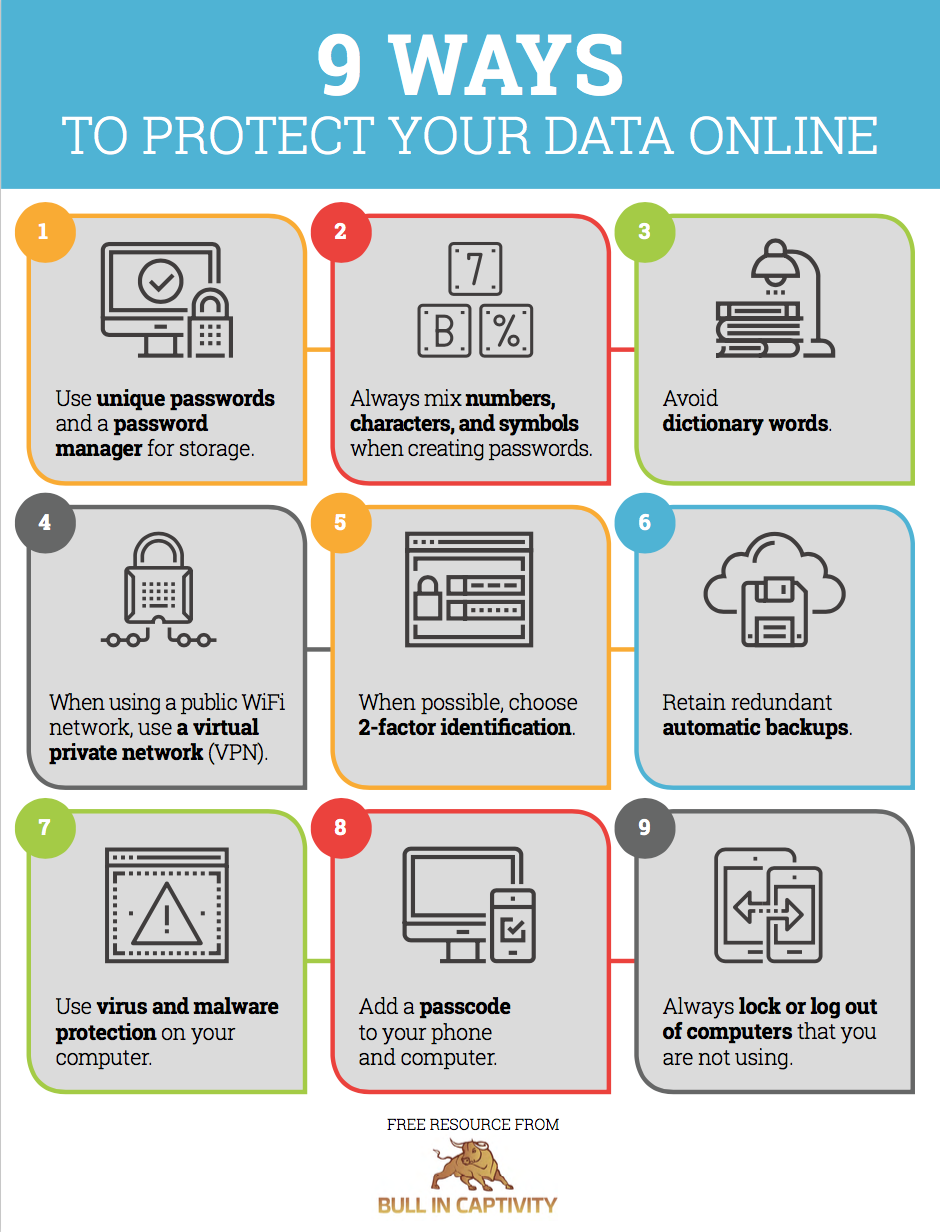
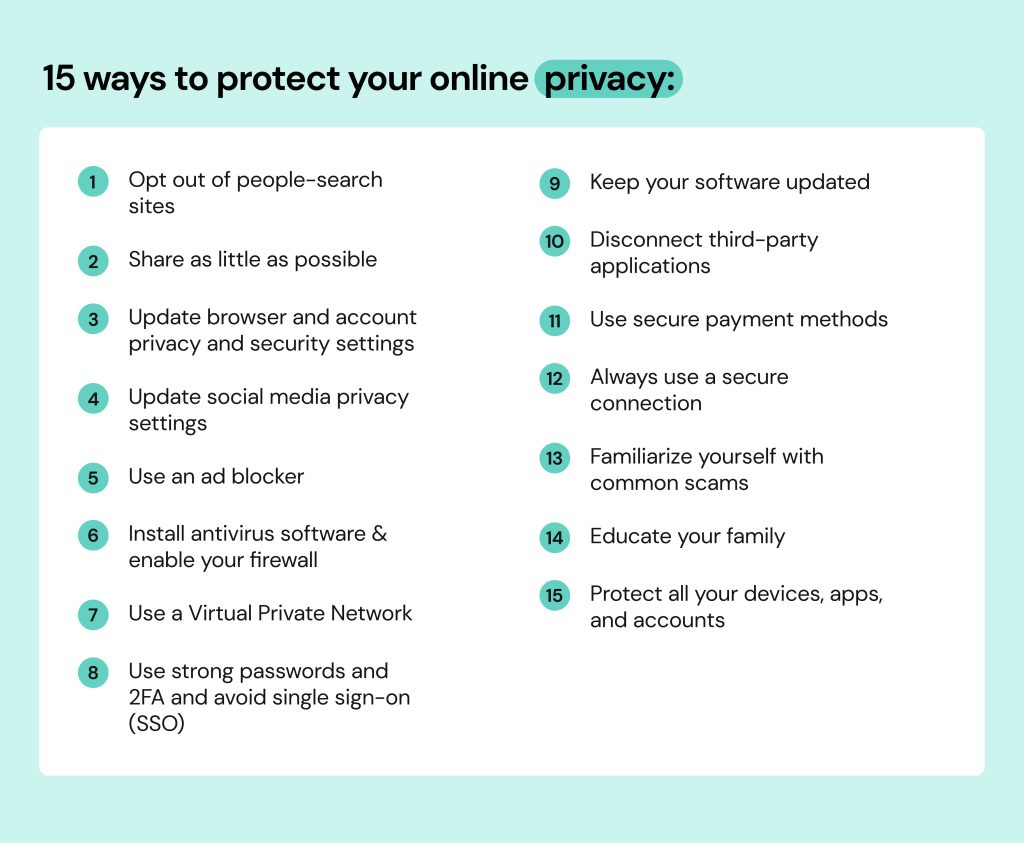
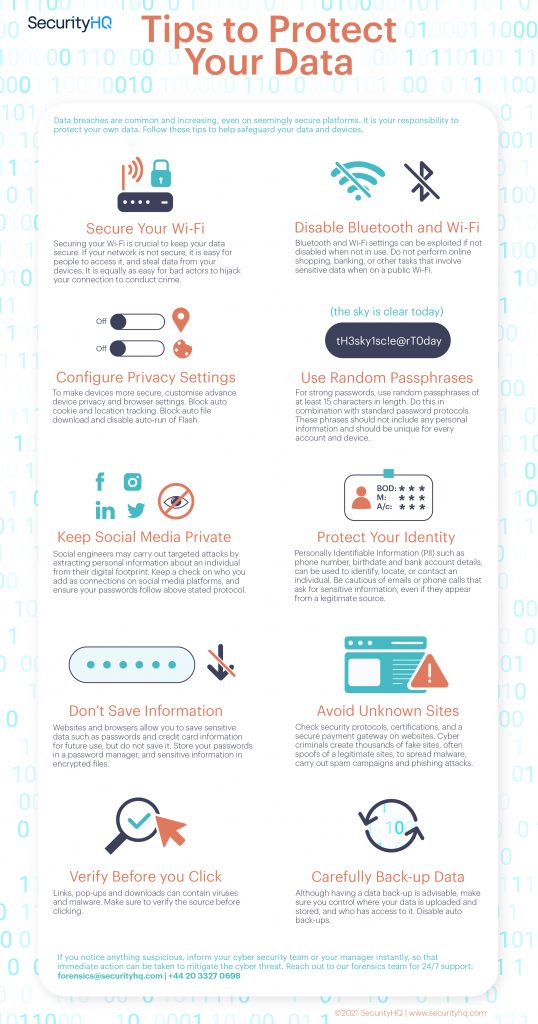
- Use strong, unique passwords for each online account and website.
- Enable two-factor authentication (2FA) whenever possible.
- Keep your operating system, software, and browsers up-to-date with the latest security patches.
- Use a reputable antivirus program and firewall to protect against malware and other online threats.
- Be cautious of phishing emails and avoid clicking on suspicious links or downloading attachments from unknown sources.
- Use a virtual private network (VPN) to encrypt your internet traffic and protect your data when using public Wi-Fi.
- Regularly back up your important files and data to a secure location.
- Monitor your credit reports and bank statements for any suspicious activity.
- Use a password manager to generate and store complex passwords.
Advanced Online Data Protection Strategies
While the simple steps above are essential for online data protection, there are additional strategies you can use to further secure your digital life:
- Implement encryption on sensitive data and communications.
- Use a secure email service provider, such as ProtonMail or Tutanota, which offers end-to-end encryption.
- Take advantage of identity theft protection services, such as those offered by LifeLock or IdentityForce, which can monitor your credit reports and alert you to any suspicious activity.
- Use a reputable online password storage service, such as LastPass or 1Password, which can generate and store complex passwords for you.
- Regularly review and update your online data protection settings to ensure you're using the latest security features and protocols.
Conclusion
Securing your online data protection is a critical step in protecting your digital life. By following the simple and advanced strategies outlined in this guide, you can safeguard your personal information, devices, and privacy from online threats. Remember, online data protection is an ongoing process that requires constant vigilance and attention. Stay proactive, stay safe, and enjoy the benefits of a secure online presence.
Recommended Resources
- McAfee Total Protection – a comprehensive online protection solution that includes antivirus, VPN, and identity theft protection.
- Avast One – an AI-powered cybersecurity solution that offers scam protection, antivirus, and secure VPN.
- Webroot Secure VPN – a secure VPN solution that safeguards your online activities and data.
- Microsoft Defender for Business – a comprehensive security solution that includes antivirus, firewall, and threat protection.