Is It Safe to Give Benadryl to Dogs?
As a dog owner, you want to ensure your furry friend is happy and healthy. However, when it comes to managing allergies, anxiety, or other conditions, you might be tempted to give your dog human Benadryl (diphenhydramine). But is it safe to give Benadryl to dogs?
Understanding Benadryl for Dogs
Benadryl, also known as diphenhydramine, is an over-the-counter antihistamine medication commonly used to treat allergic reactions and other conditions in humans. While it can be used in dogs, it's essential to consult with your veterinarian before administering it to your pet.
When Can You Give Your Dog Benadryl?
Benadryl can be given to dogs in certain situations, such as:
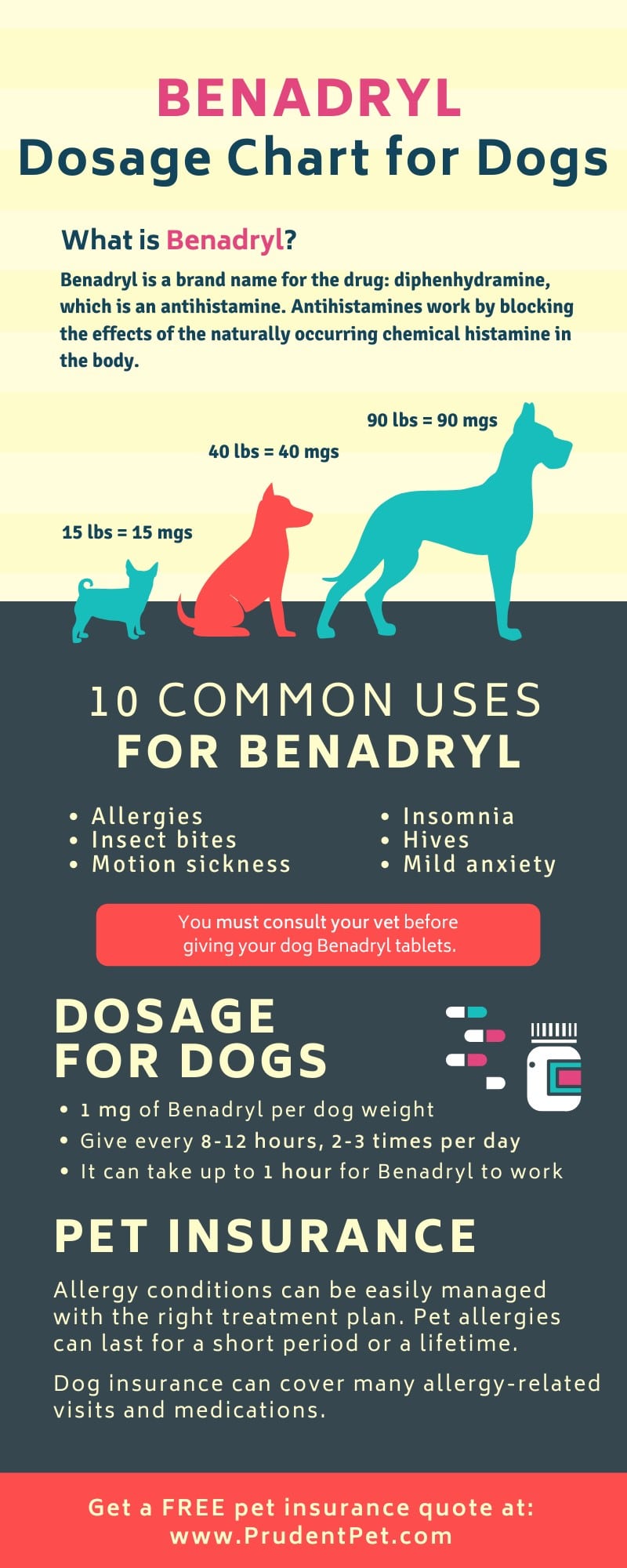
- Mild to moderate environmental allergies
- Travel sickness or motion sickness
- Common cold symptoms like sneezing, runny nose, and congestion
However, it's crucial to note that Benadryl is not a substitute for proper veterinary care. If your dog is experiencing severe allergy symptoms or other conditions, consult with your veterinarian for proper diagnosis and treatment.
How to Properly Administer Benadryl to Your Dog
Before giving your dog Benadryl, ensure you follow these guidelines:
- Consult with your veterinarian to confirm the dosage and frequency of administration.
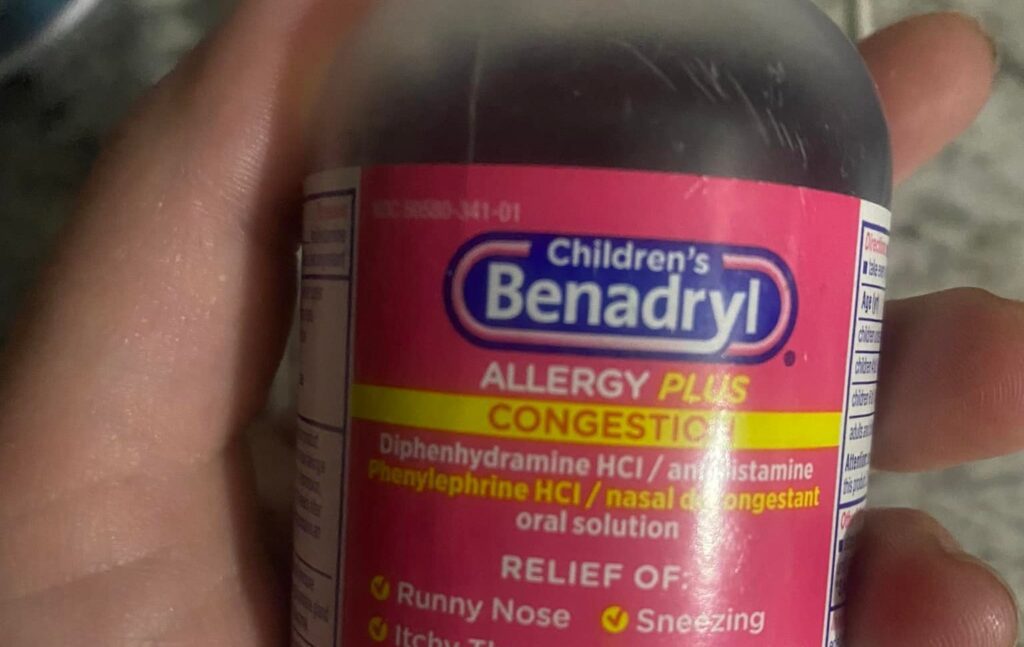
- Only use plain diphenhydramine without any additives or decongestants.
- Calculate the correct dose based on your dog's weight: 1 mg per pound of body weight, given every 8-12 hours.
- Monitor your dog's response and adjust the dosage or frequency as needed.
Possible Side Effects and Risks
While Benadryl can be beneficial for dogs, it's essential to be aware of the possible side effects and risks:

- Dry mouth and throat
- Increased heart rate
- Light-headedness or dizziness
- Stomach upset or nausea
- Interactions with other medications or conditions, such as thyroid problems or epilepsy
It's also crucial to note that Benadryl can cause serious adverse reactions in dogs, especially if they are ingesting small amounts over an extended period. If your dog exhibits any signs of toxicity, such as tremors, seizures, or difficulty breathing, seek immediate veterinary attention.
Alternatives to Benadryl and When to Avoid It
While Benadryl can be used in dogs, there are alternative medications and treatments available, such as:
- Antihistamines like Zyrtec (cetirizine) or Claritin (loratadine)
- Preventive medications for allergies or motion sickness
- Home remedies, such as natural antihistamines like quercetin or chamomile
It's essential to avoid giving Benadryl to your dog if:
- They are pregnant or lactating
- They have a history of seizures or epilepsy
- They are taking other medications or have underlying medical conditions
Conclusion
Giving Benadryl to dogs can be safe when done under the guidance of a veterinarian. However, it's crucial to understand the proper dosage, potential side effects, and risks involved. Always consult with your veterinarian before administering Benadryl to your pet, and never use human medication without a veterinarian's approval.
By following these guidelines and using Benadryl responsibly, you can help manage your dog's allergies and other conditions, ensuring they live a happy and healthy life.
Remember, a veterinarian is always the best resource for guidance on proper medication use and dosing for your dog. If you're unsure about giving Benadryl to your pet, consult with your veterinarian or a veterinary care professional for expert advice.