Pineapple and Pregnancy Blood Sugar: Separating Fact from Fiction
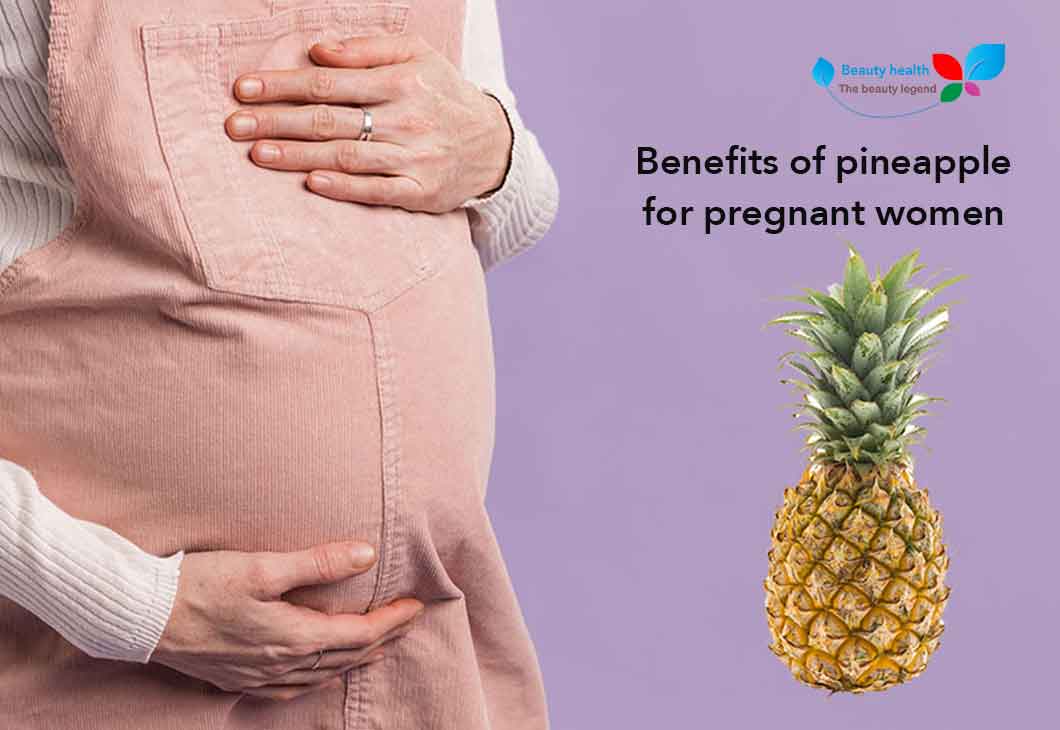
Pregnancy is a special time in a woman's life, filled with joy and anticipation. As a pregnant woman, it's natural to have questions about the foods you can and cannot eat during this time. One of the most common questions is about pineapple and its potential impact on blood sugar levels during pregnancy.
While pineapple is often considered a healthy snack, it also contains natural sugars that can affect blood sugar levels. In this article, we'll explore the complex relationship between pineapple and pregnancy blood sugar, separating fact from fiction to give you the information you need to make informed choices about your diet.
Is Pineapple Safe to Eat During Pregnancy?
For years, there's been a myth that pineapple can induce early labor or cause miscarriage. However, there's no scientific evidence to support these claims when consumed in normal food amounts. This myth mainly applies to bromelain supplements, which are not recommended during pregnancy due to the potential for uterine contractions.
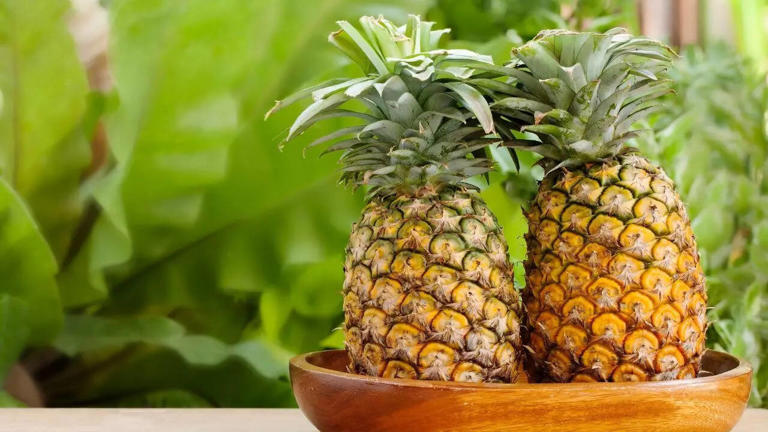
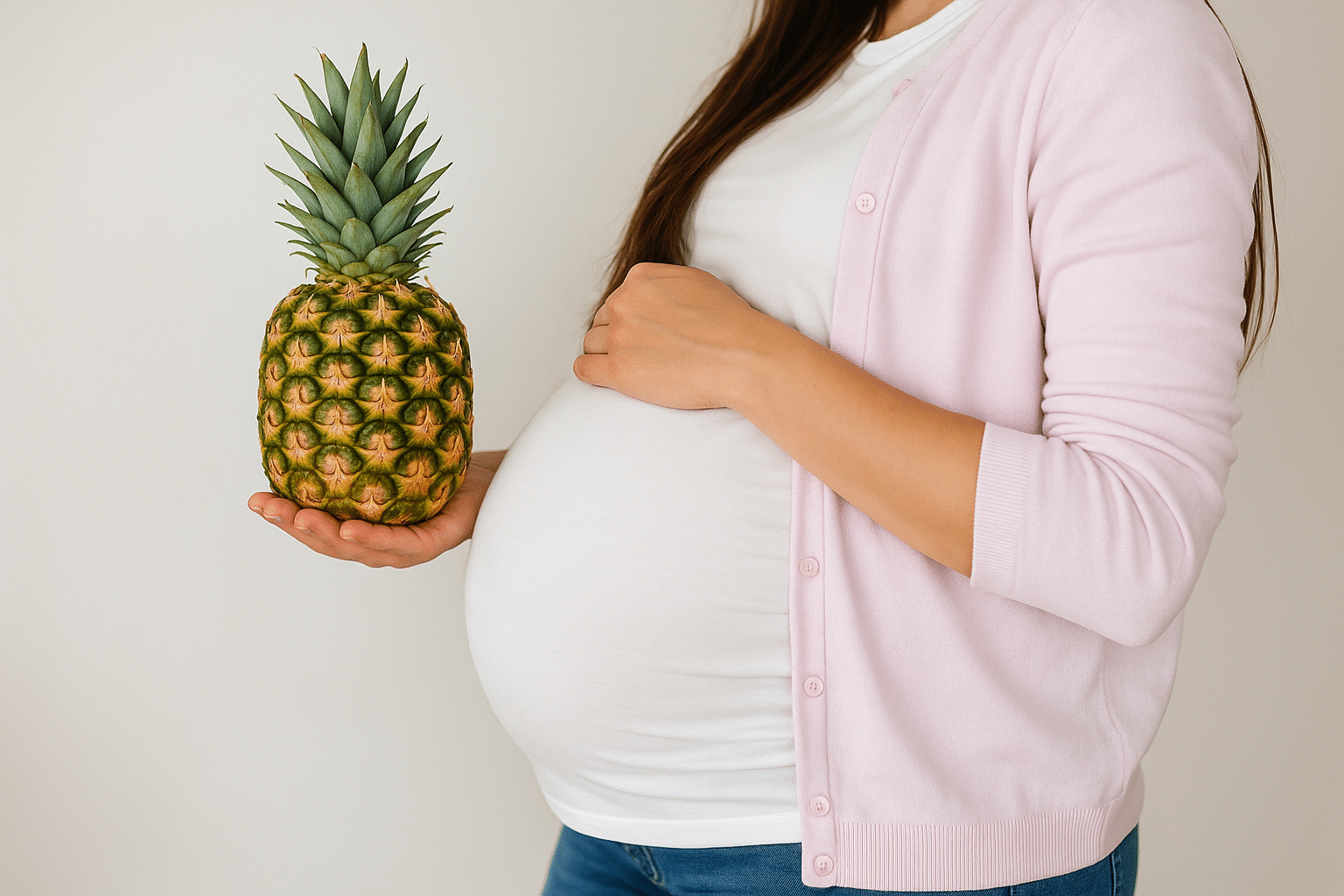
When consumed in moderation, pineapple is a safe and healthy fruit during pregnancy, rich in vitamin C, hydration, and fiber. As with any food, portion control is essential, especially for women with gestational diabetes or those monitoring blood sugar levels.
The Benefits of Pineapple During Pregnancy
Pineapple offers numerous nutritional benefits during pregnancy, including:
Rich in vitamin C, which supports immune function and overall health
Hydration properties, helping to keep you and your baby hydrated
Fiber content, which can help regulate digestion and prevent constipation
Antioxidants, which can help protect against oxidative stress and inflammation
Pairing Pineapple with Protein and Healthy Fats
Eat pineapple in moderation and pair it with protein or healthful fat – such as nuts, seeds, nut butter, or avocado – to limit its effects on blood sugar levels. This combination will help slow down the digestion of natural sugars, preventing rapid blood sugar spikes that can be problematic during pregnancy.
The Risks of High Blood Sugar During Pregnancy
High blood sugar levels during pregnancy can have serious consequences for both mother and baby. Untreated gestational diabetes can lead to a range of complications, including:
Preterm labor
Birth complications, such as fetal distress or infant hypoglycemia
Long-term health risks for the mother, such as insulin resistance and type 2 diabetes
How to Enjoy Pineapple Safely During Pregnancy
To enjoy pineapple safely during pregnancy, follow these guidelines:
Consume pineapple in moderation, aiming for 1-2 servings per week
Pair pineapple with protein or healthy fats to slow down sugar digestion
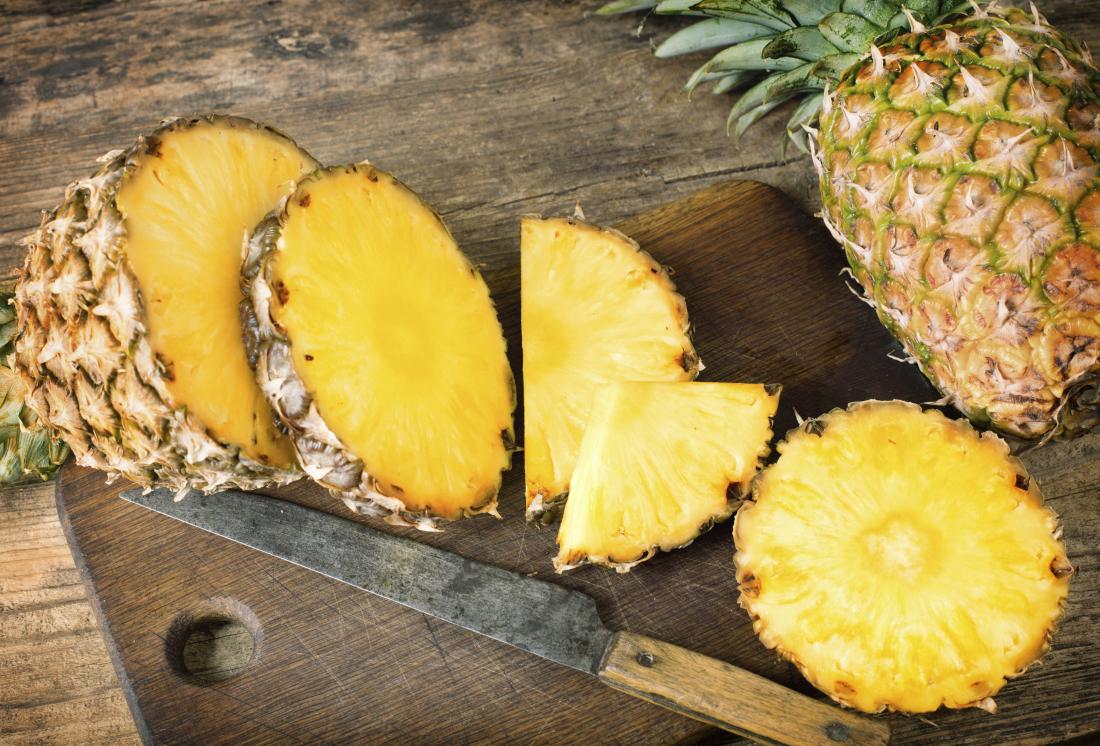
Choose fresh pineapple over canned or sweetened pineapple juice, which can be high in sugar
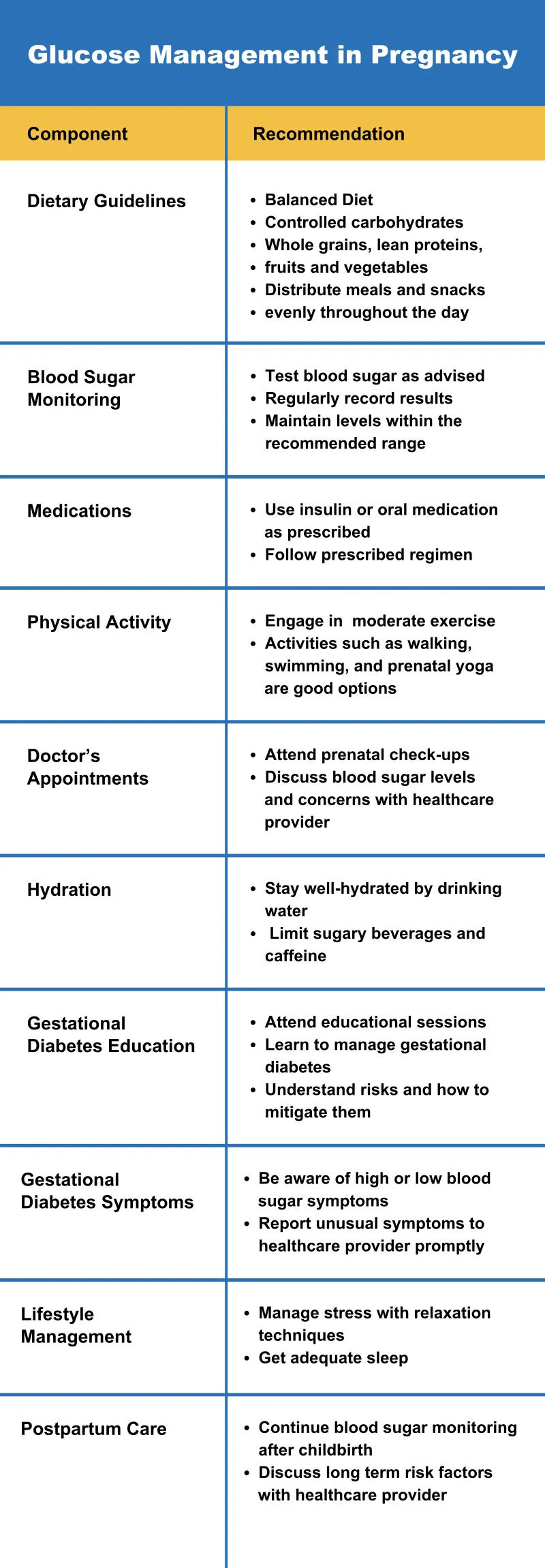
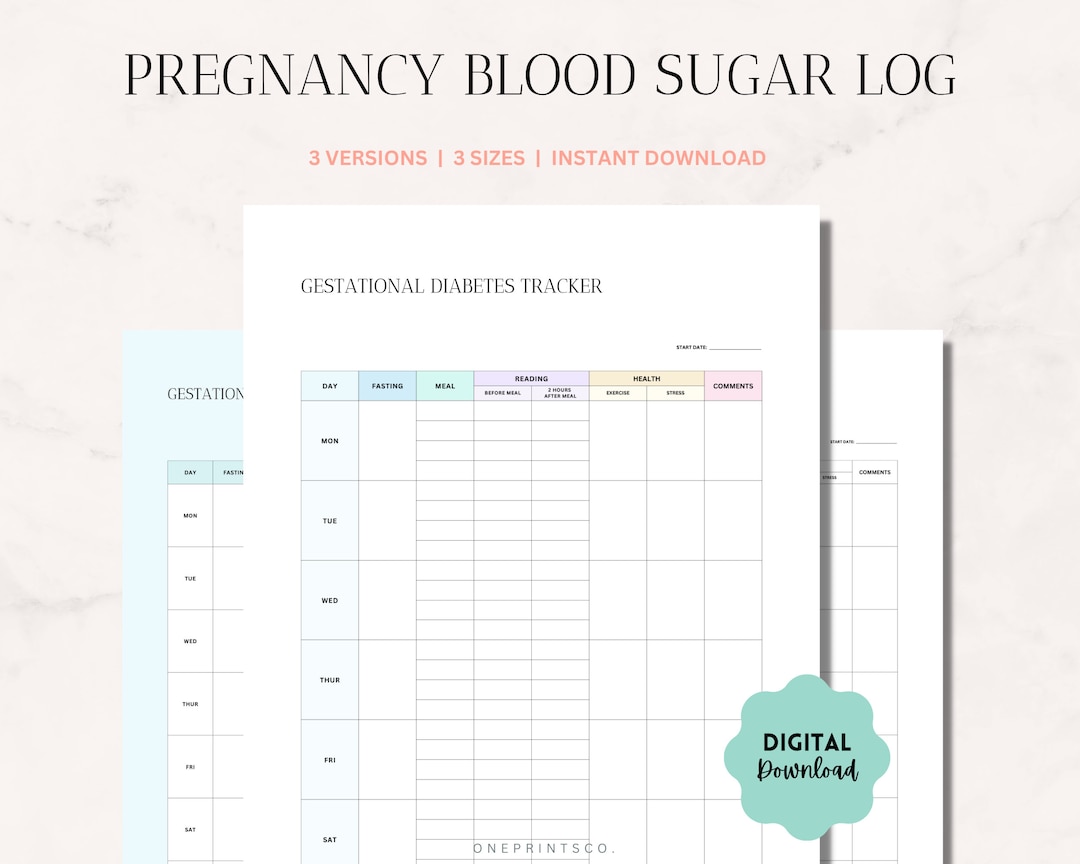
Be mindful of portion sizes and monitor blood sugar levels regularly
Conclusion
While pineapple is generally considered safe to eat during pregnancy, it's essential to consume it in moderation and be mindful of its potential impact on blood sugar levels. By pairing pineapple with protein and healthy fats, monitoring blood sugar levels regularly, and choosing fresh over canned or sweetened options, you can enjoy the nutritional benefits of pineapple while minimizing its risks.
Remember, every pregnancy is unique, and it's always best to consult with a healthcare provider or registered dietitian for personalized nutrition guidance. With the right information and a balanced diet, you can enjoy a healthy and nutritious pregnancy, free from unnecessary worries about pineapple and blood sugar levels.