FOMO in Marketing ROI Analysis: A Powerful yet Double-Edged Sword
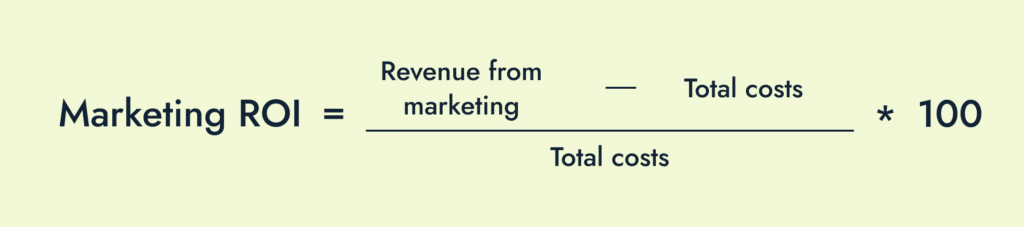
The concept of Fear of Missing Out (FOMO) has taken center stage in modern marketing strategies, driven by the increasing presence of social media in our daily lives. However, the widespread use of FOMO in marketing raises both intriguing opportunities and critical ethical questions. FOMO, in the context of marketing ROI analysis, can be both a powerful tactic for increasing engagement and a source of considerable unpredictability.
Understanding FOMO in Marketing ROI Analysis
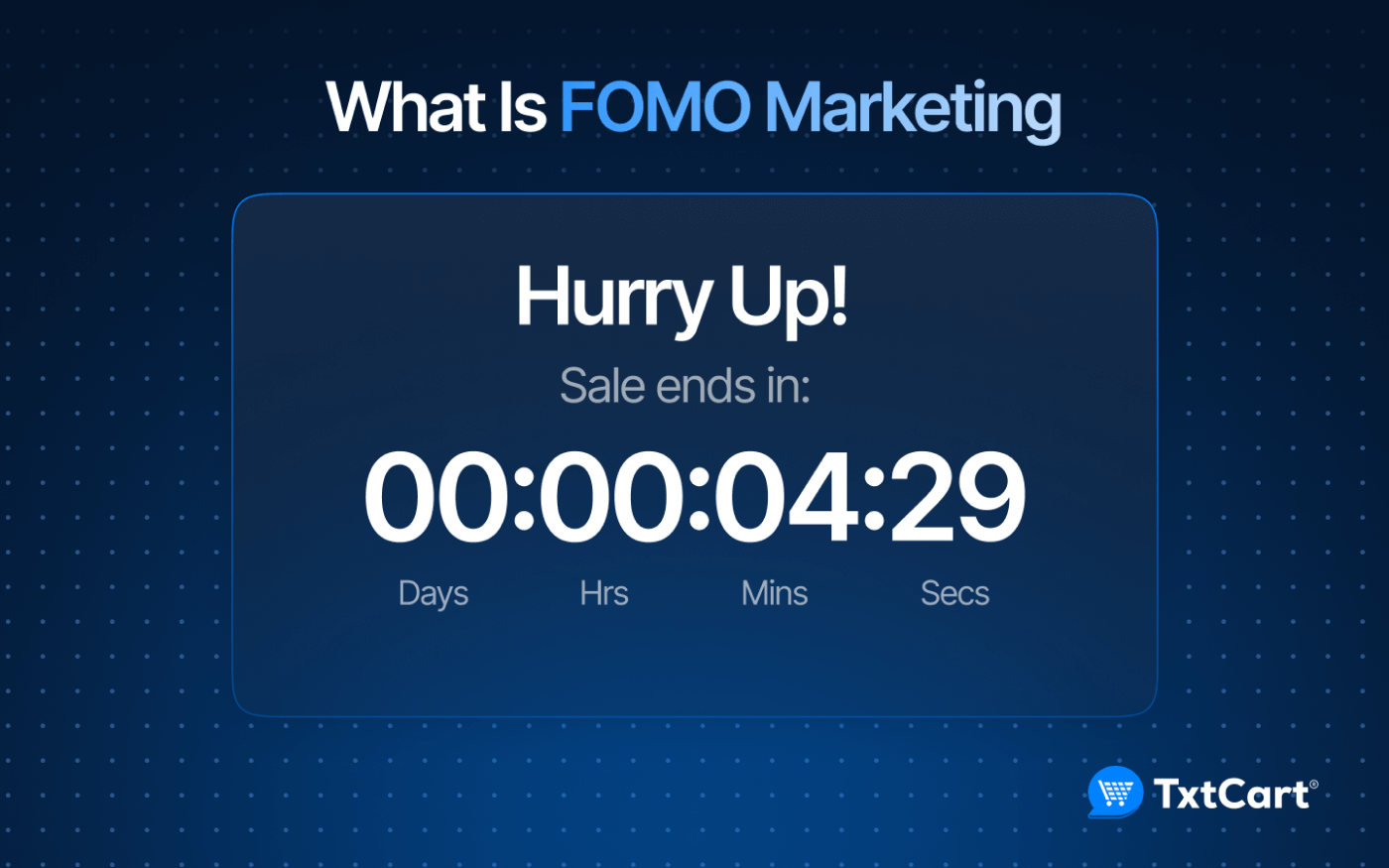
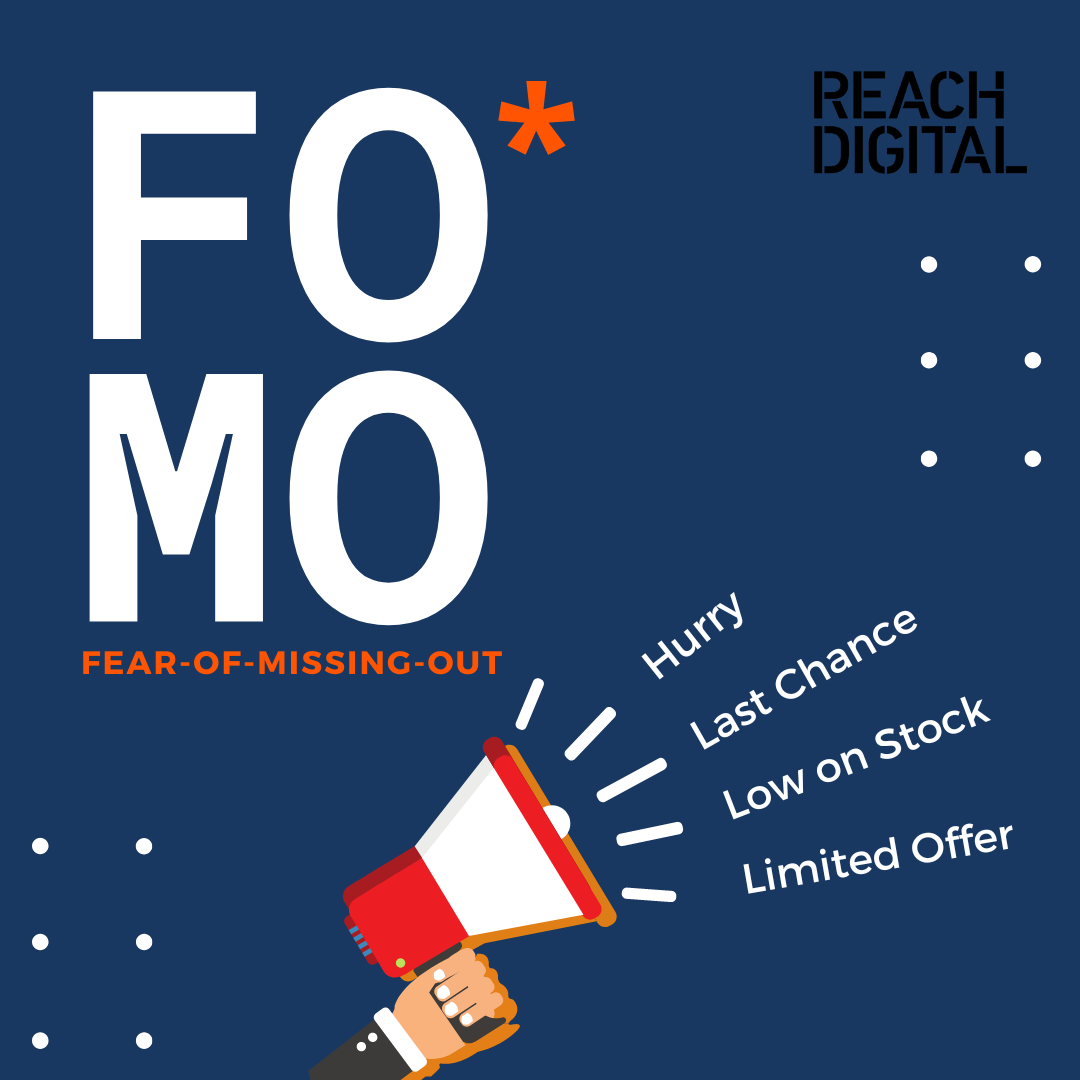
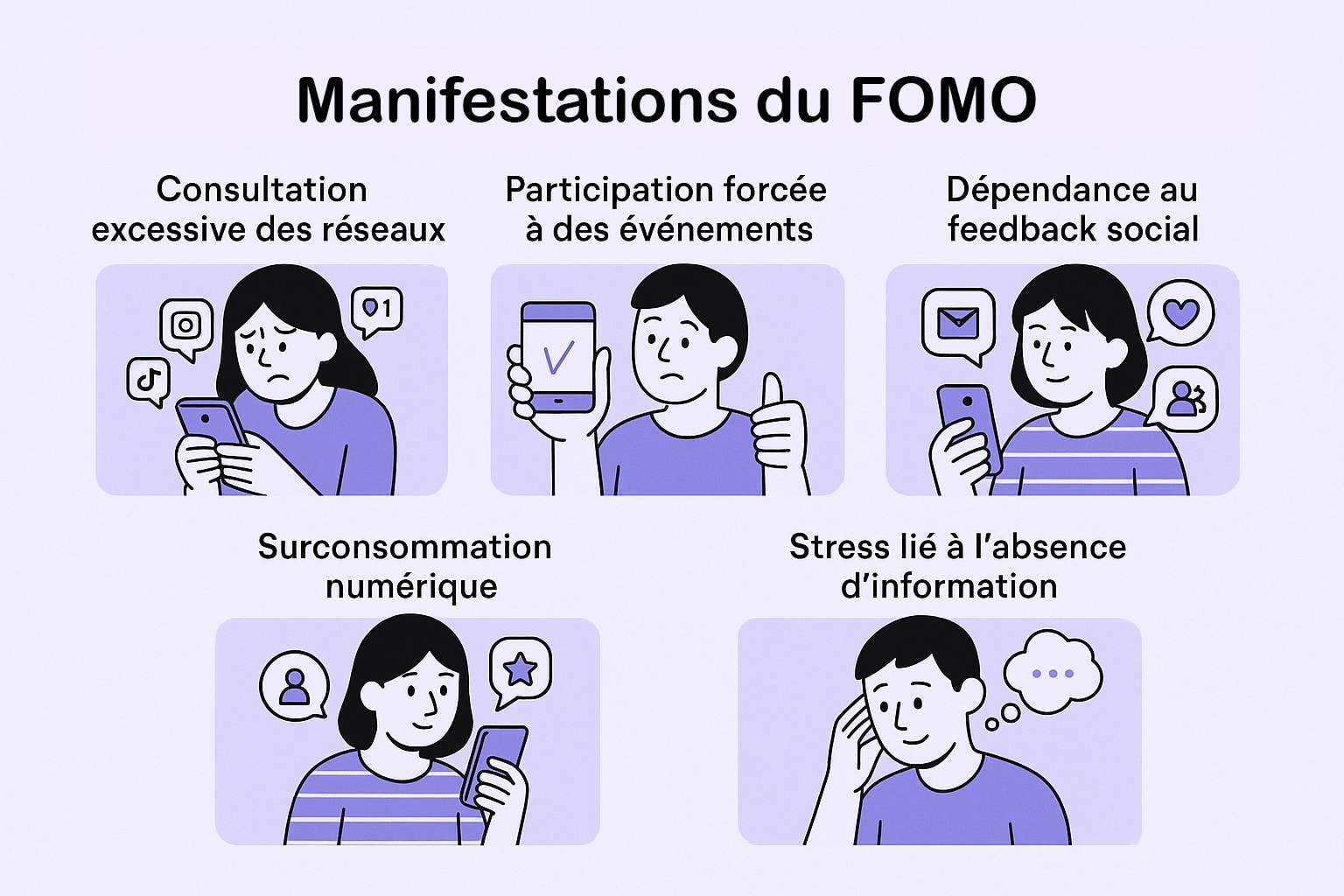
The fear of missing out (FOMO) is a psychological phenomenon characterized by anxiety stemming from the anticipation of missing out on valuable experiences. In the context of marketing, FOMO has emerged as a crucial driver of consumer behavior, compelling individuals to stay connected and involved. Marketing professionals exploit this emotional trigger, leveraging FOMO as a strategy to drive immediate action from consumers.
The Pros of FOMO in Marketing ROI Analysis
- Increased Engagement: FOMO has been demonstrated to significantly enhance consumer engagement by creating a sense of urgency and exclusivity.
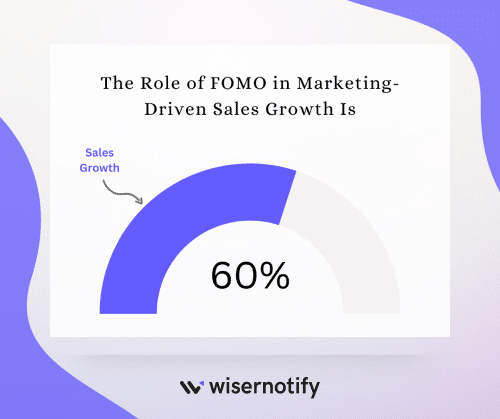
- Boosted Conversions: By exploiting the human instinct to not miss out on valuable experiences, FOMO-based campaigns often experience a substantial uplift in conversion rates.
- Competitive Advantage: Successfully integrating FOMO into marketing strategies can provide a unique competitive edge, as not all marketers can effectively execute this tactics.
The Cons of FOMO in Marketing ROI Analysis

- Risk of Overuse: Overreliance on FOMO can lead to consumer fatigue, making it less effective in driving engagement and conversion.
- Negative Consequences: While designed to drive consumption, FOMO-based strategies can also fuel anxiety and negative emotional responses in some consumers.
- Short-Term Focus: FOMO-heavy campaigns often prioritize short-term outcomes over long-term relationships, potentially diluting the effectiveness of the marketing strategy.
Maximizing ROI through Ethical FOMO Marketing Tactic
While FOMO can be a double-edged sword, its strategic application can yield positive outcomes when executed responsibly. Marketing professionals should consider these guidelines to maximize ROI and avoid exploiting their customers:
- Respect Consumer Limits: Be mindful of consumer capacity for engaging with limited-time promotions and ensure they are not overwhelmed.
- Ensure Authenticity: Maintain transparency in marketing campaigns, avoiding misleading or exaggerated FOMO triggers that may damage trust.
- Long-term Focus: Instead of solely focusing on short-term conversions, use FOMO to foster deeper engagement and ultimately drive long-term customer loyalty.
Conclusion
In marketing ROI analysis, understanding FOMO as both a motivator of consumer action and a potential danger to consumer well-being is essential. Accurately incorporating FOMO into marketing strategies involves avoiding both the extremes of overuse and malicious applications, and instead finding a balance that orchestrates the key benefits of FOMO and measures predictive outcomes for maximum ROI.