The Consequences of Phubbing: Understanding the Impact of Phone Snubbing
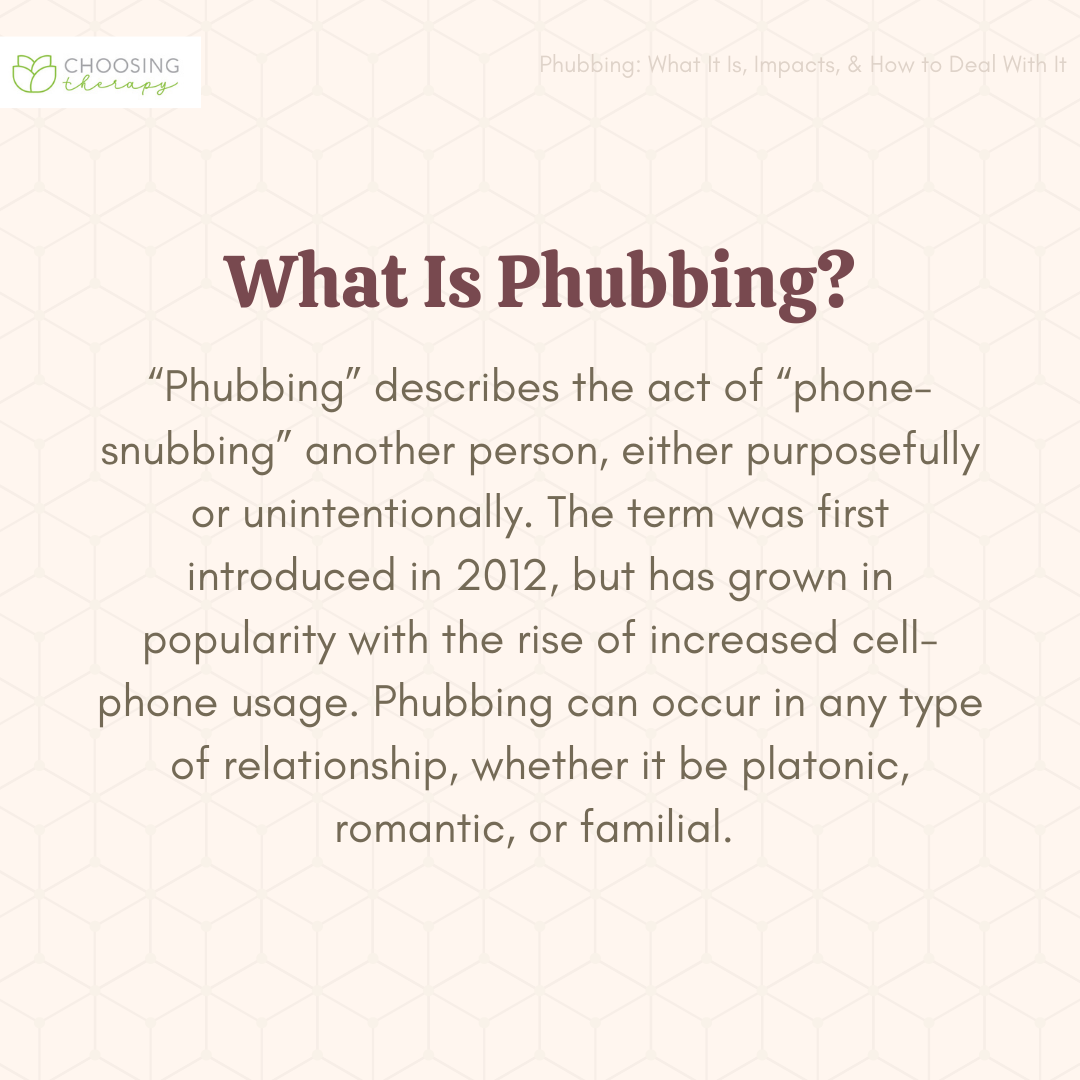
In today's digital age, smartphones have become an indispensable part of our lives. We use them for communication, entertainment, and information. However, this increased reliance on our phones has led to a new phenomenon known as "phubbing" or phone snubbing. Phubbing refers to the act of neglecting someone in a social setting by focusing on one's phone instead of actively engaging with them. In this article, we will explore the consequences of phubbing and its impact on our relationships, mental health, and social interactions.
The Prevalence of Phubbing
Phubbing has become a common behavior, especially among young people. A study found that 85% of smartphone users engage in phubbing behavior, and 64% of people admit to phubbing their friends and family members (Bergen, 2015). This behavior can have severe consequences on our relationships and mental health.
The Impact of Phubbing on Relationships
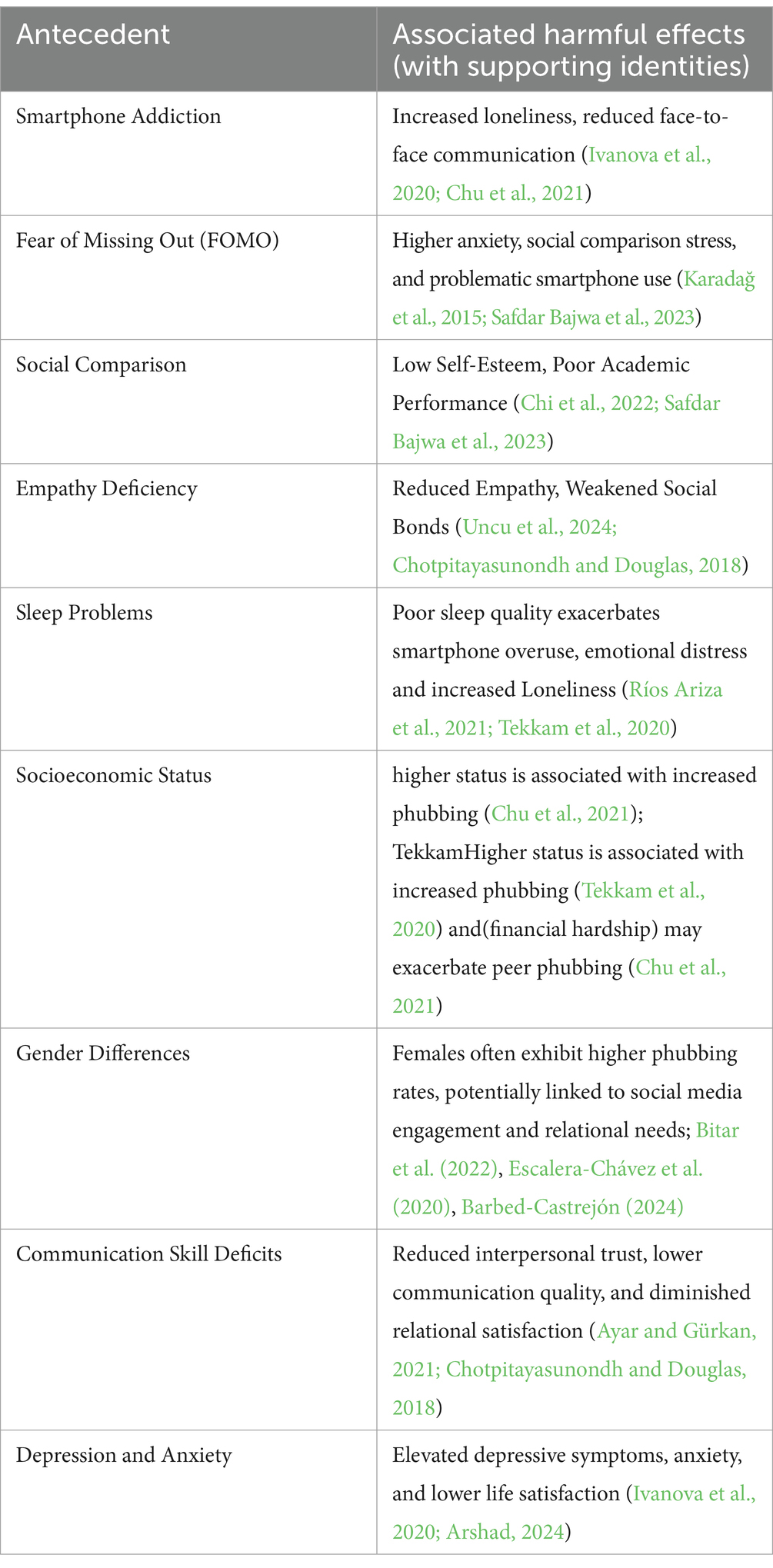
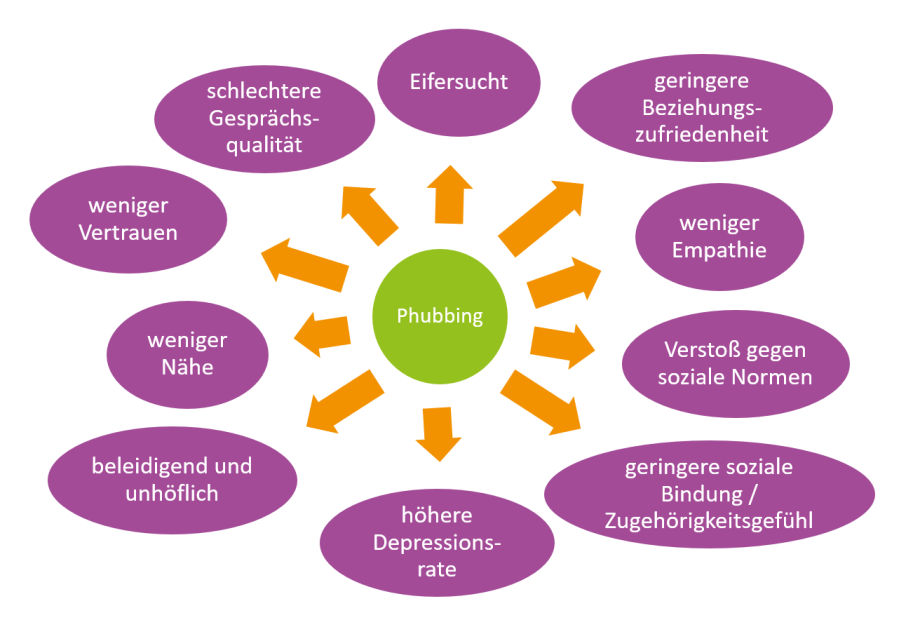
Phubbing can have a negative impact on our relationships. Research has shown that phubbing can lead to feelings of isolation, loneliness, and disconnection in romantic partnerships (Oulasvirta et al., 2012). Phubbing can also lead to conflict and decreased intimacy in relationships. A study found that 60% of people reported feeling neglected or ignored by their partner when they phubbed them (David, 2016).
Neglecting someone in a social setting can lead to feelings of isolation and loneliness.
Phubbing can decrease intimacy and closeness in romantic partnerships.
Phubbing can lead to conflict and decreased satisfaction in relationships.
The Consequences of Phubbing on Mental Health
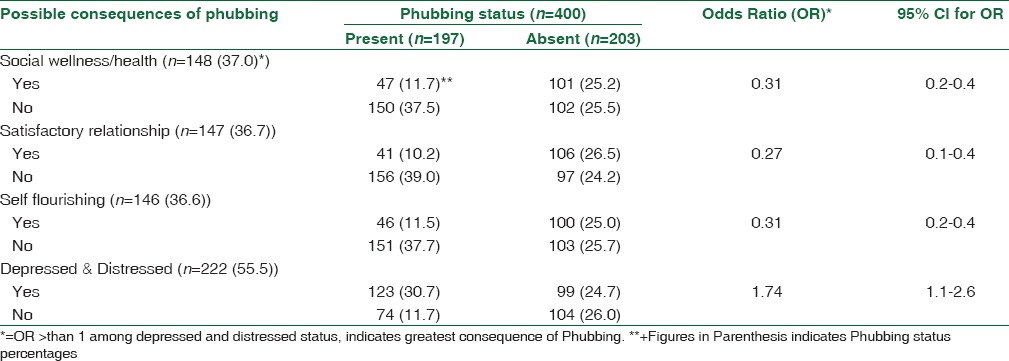
Phubbing can also have a negative impact on our mental health. Research has shown that phubbing can lead to increased stress, anxiety, and depression. A study found that 75% of people reported feeling anxious or stressed when their partner phubbed them (Garcia, 2018).
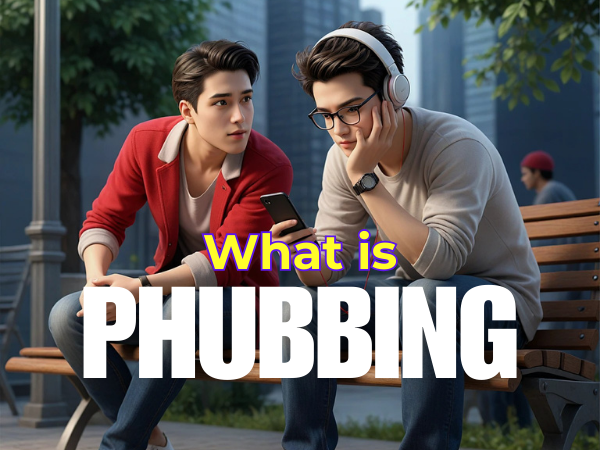
Phubbing can lead to increased stress, anxiety, and depression.
Phubbing can decrease self-esteem and confidence.
Phubbing can lead to feelings of guilt and shame.
Breaking the Cycle of Phubbing
Phubbing is a habit that can be broken. By being aware of our phone usage and making a conscious effort to engage with others, we can reduce the negative consequences of phubbing. Here are some tips to help you break the cycle of phubbing:
Put your phone away during social interactions.
Practice mindfulness and be present in the moment.
Engage in activities that promote social interaction, such as hobbies or sports.
Set boundaries and prioritize face-to-face communication.
Conclusion
Phubbing is a behavior that can have severe consequences on our relationships, mental health, and social interactions. By understanding the consequences of phubbing, we can take steps to break the cycle of phone snubbing and promote healthier communication habits. Remember, being present and engaged in social interactions is key to building strong relationships and maintaining good mental health.
References:
- Bergen, A. (2015). The Effects of Phubbing on Social Interaction. Journal of Applied Developmental Psychology, 43, 137-143.
- Oulasvirta, A., Rattenbury, T., & Raita, J. (2012). Habits make smartphone use more predictable but less malleable. Proceedings of the 14th International Conference on Human-Computer Interaction with Mobile Devices and Services, 11-14.
- David, J. (2016). Phubbing and Relationship Satisfaction: A Study of the Effects of Phubbing on Romantic Relationships. Journal of Social and Personal Relationships, 33(6), 831-848.
- Garcia, L. (2018). The Impact of Phubbing on Mental Health. Journal of Clinical Psychology, 74(1), 15-24.


:max_bytes(150000):strip_icc()/VWM-phlubbing-getty-b-54f75c66c54b4df0b16effbee4f4eaa1.jpg "How Phubbing Is Hurting Your Relationships - Verywell Mind")