Can You Take Ibuprofen and Tylenol at the Same Time
When it comes to managing pain, many people turn to over-the-counter medications like ibuprofen (Advil, Motrin) and acetaminophen (Tylenol). But have you ever wondered if it's safe to take both of these medications at the same time?
Understanding the Safety of Combining Medications
While both ibuprofen and acetaminophen are widely used to relieve pain and reduce fever, they work in different ways and have different effects on the body. Ibuprofen is a nonsteroidal anti-inflammatory drug (NSAID) that works by reducing hormones that cause inflammation and pain in the body. Acetaminophen, on the other hand, is a pain reliever that works by blocking the production of pain-causing chemicals in the brain.
Can You Take Ibuprofen and Tylenol at the Same Time?
According to experts, yes, you can take ibuprofen and Tylenol at the same time. However, it's essential to follow key safety guidelines to avoid any potential side effects.
Why It's Safe to Combine Medications
Because ibuprofen and acetaminophen work through different pathways and are processed by different organs (the liver handles acetaminophen, while the kidneys handle ibuprofen), they can be taken at the same time or staggered. This strategy is called multimodal analgesia and is a standard protocol used in hospitals to manage acute pain.
Dosage Recommendations and Timing
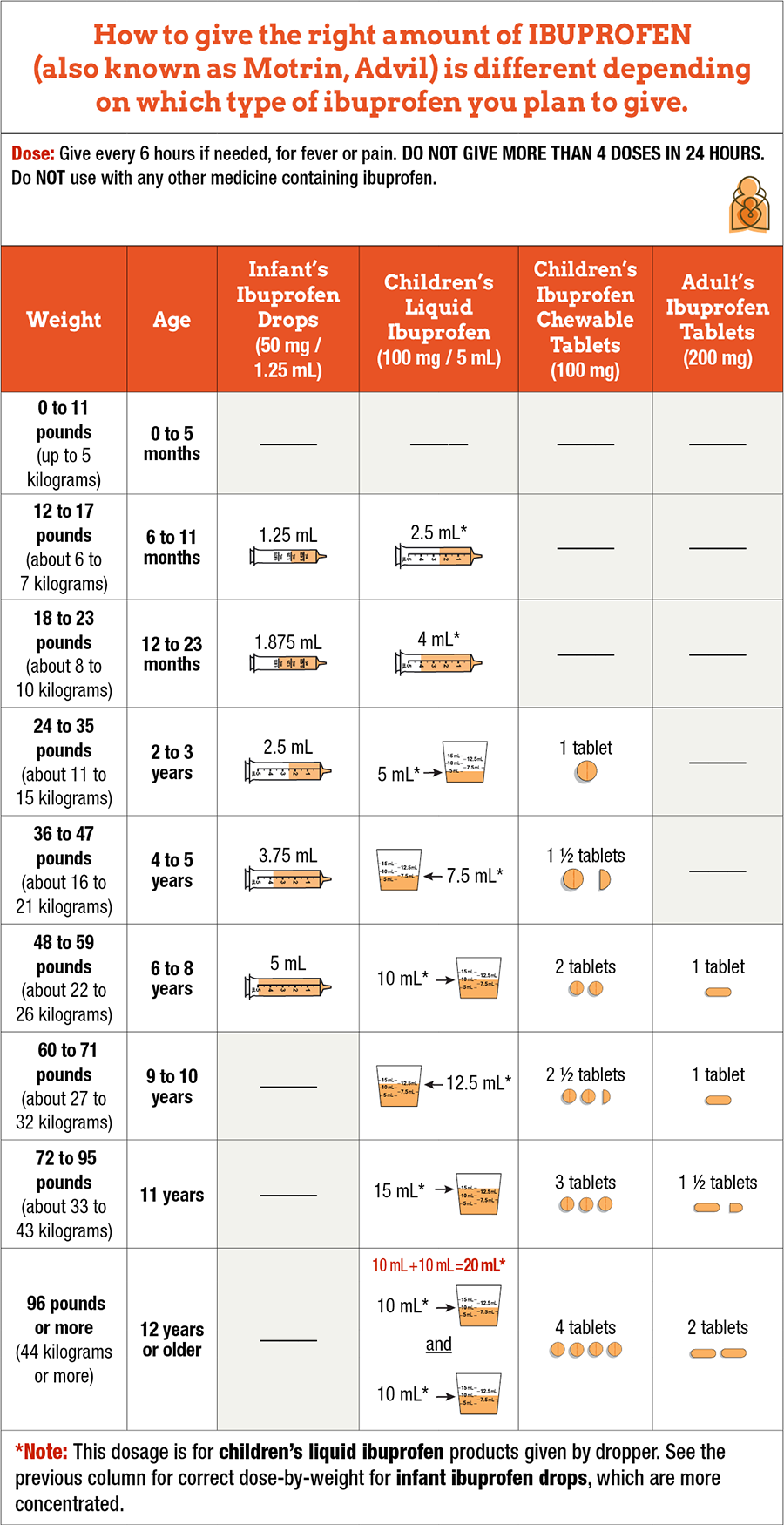
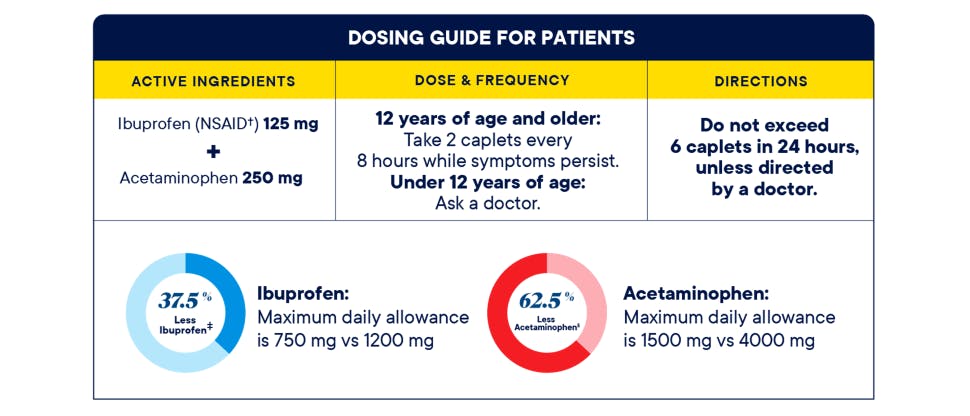
When taking ibuprofen and acetaminophen together, it's crucial to follow the recommended dosages and timing to avoid overdose or interactions. Typically, it's recommended to take the smallest effective dose for the shortest possible time. Start with the recommended dose and adjust as needed to minimize side effects.
Alternating Medications vs. Taking Both at the Same Time
While taking ibuprofen and acetaminophen at the same time can be safe, some experts recommend alternating them to minimize side effects. This approach can provide extended pain relief and reduce the risk of adverse effects.
Important Safety Considerations

When taking ibuprofen and acetaminophen together, it's essential to be aware of the following potential interactions and side effects:
- Increased risk of stomach ulcers and bleeding
- Increased risk of kidney damage
- Interactions with other medications, such as blood thinners and certain antidepressants
- Potential liver damage from excessive acetaminophen use
Conclusion
While it's safe to take ibuprofen and Tylenol at the same time, it's crucial to follow the recommended dosages and timing to avoid interactions and side effects. If you're unsure about combining medications or have any underlying health conditions, consult with your doctor or pharmacist for personalized advice.
Additional Guidance for Safe Use
Always read the label and follow the recommended dosages and timing for both ibuprofen and acetaminophen. If you experience any side effects or have concerns, consult with your doctor or pharmacist.
It's also essential to note that some medical conditions, such as high blood pressure, kidney disease, or liver disease, may require special considerations when taking ibuprofen and acetaminophen. Consult with your healthcare provider if you have any of these conditions.
Alternatives to Combining Medications
For some individuals, taking both ibuprofen and acetaminophen may not be necessary. Your healthcare provider may recommend other pain relief options, such as:
- Natural pain relief alternatives, such as meditation, exercise, or heat therapy
- Prescription pain medications, such as codeine or hydrocodone
- Opioid- free pain management strategies
Consult with your healthcare provider to discuss your options and develop a personalized pain management plan.