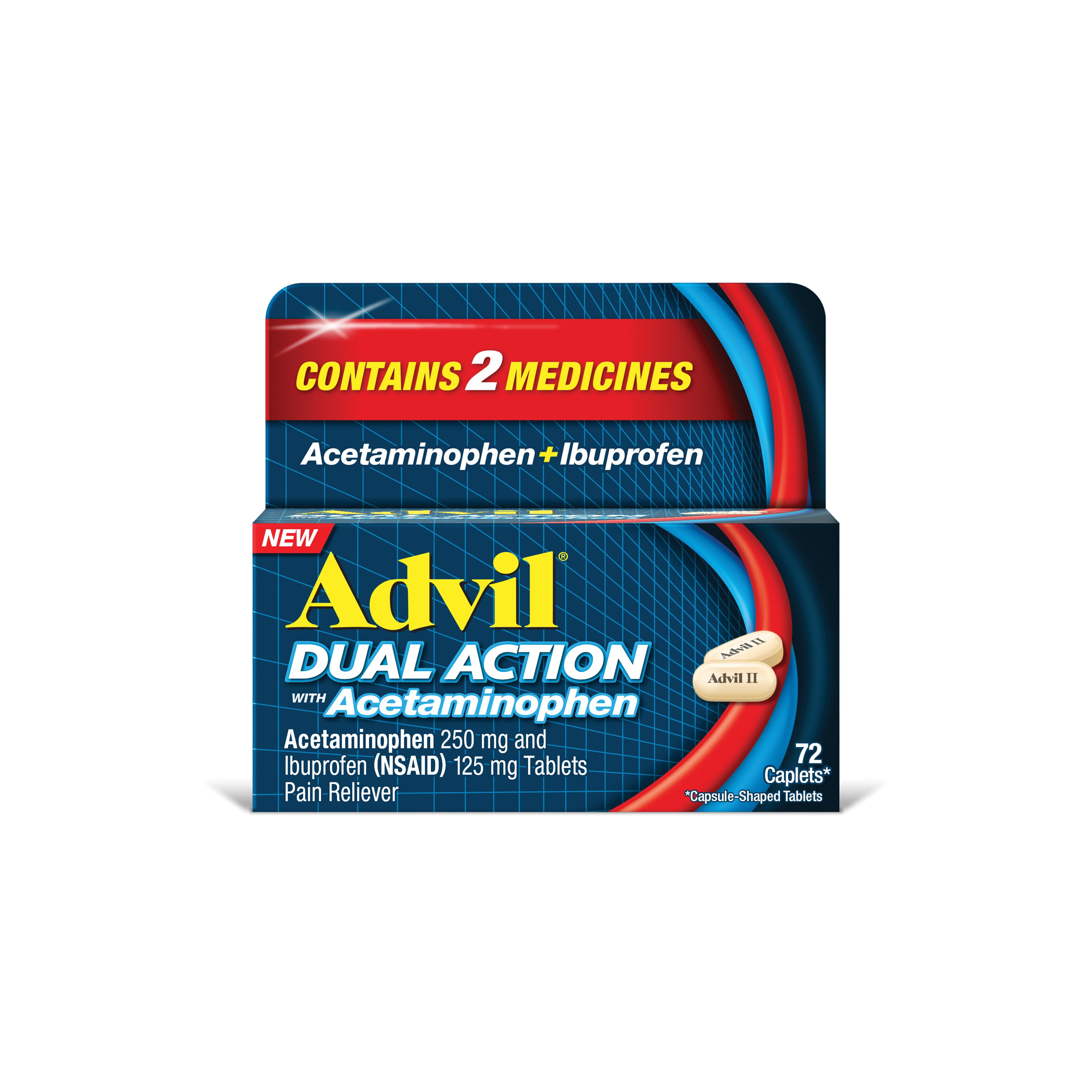
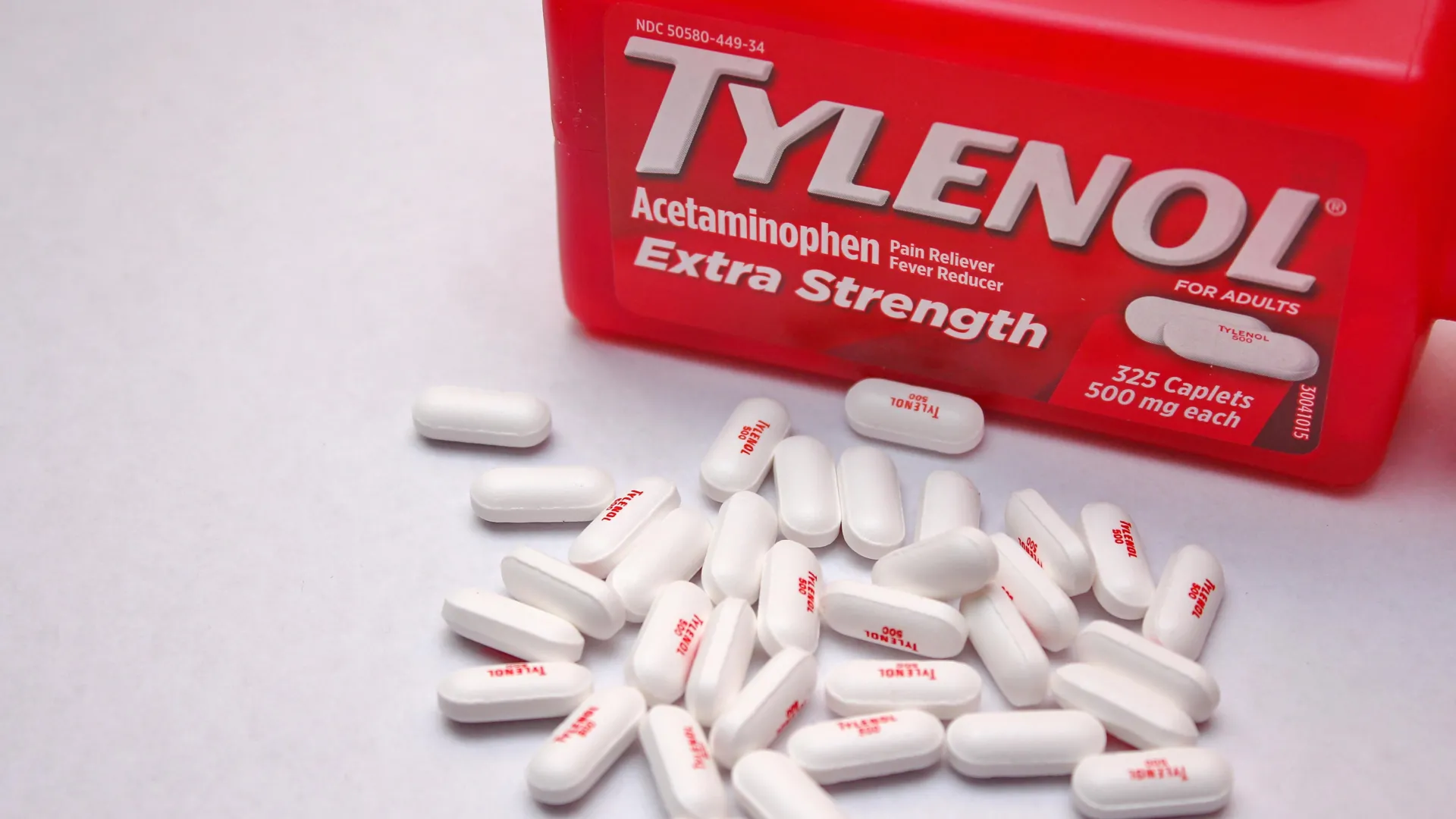
Are Ibuprofen and Acetaminophen Safe for Dogs?
Dogs can get a variety of health issues, from minor aches and pains to serious medical conditions that require immediate attention. When your furry friend is in pain, it's natural to want to provide relief, but using human painkillers like ibuprofen and acetaminophen can be extremely toxic to dogs. In this article, we'll explore the risks of giving ibuprofen and acetaminophen to dogs and provide safe alternatives for pain relief.
The Danger of Human Painkillers in Dogs
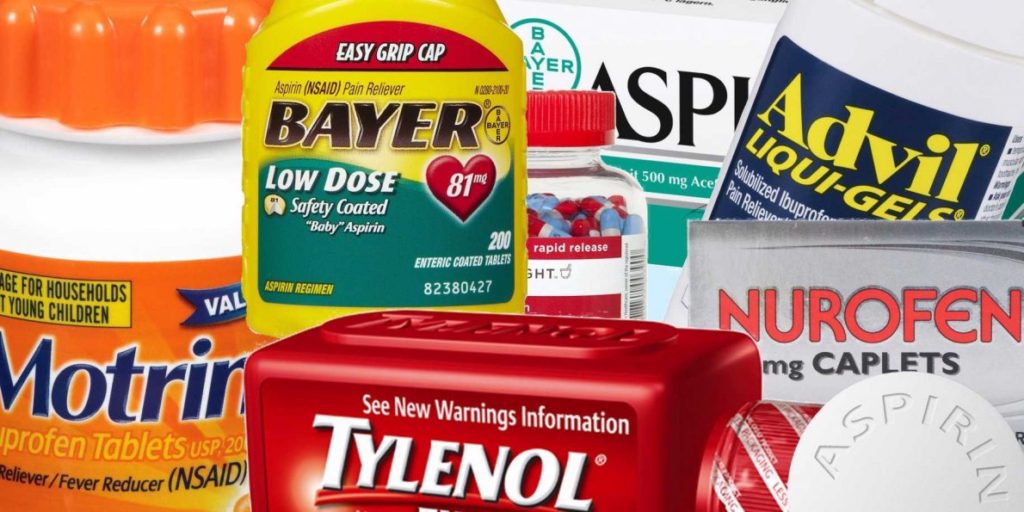
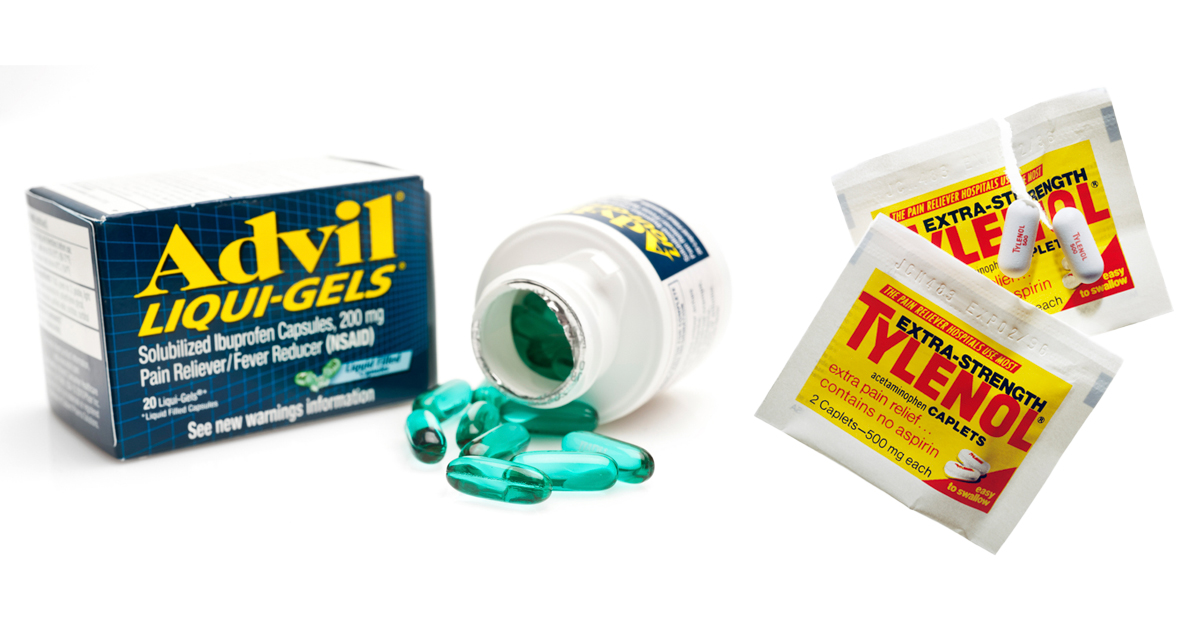
Human medications like Tylenol (acetaminophen) and ibuprofen are common go-to remedies for pain relief in people. However, these drugs can cause severe toxicity in dogs, often leading to life-threatening complications. Dogs metabolize drugs differently than humans, making even small doses dangerous. In fact, the FDA warns that ibuprofen and naproxen can cause stomach ulcers, kidney failure, and serious poisoning in pets, while acetaminophen is especially dangerous, causing severe liver injury in dogs and being potentially fatal in cats.
The Risks of Giving Ibuprofen and Acetaminophen to Dogs
While these medications may provide temporary relief for humans, they can cause serious harm to dogs. Some of the risks associated with giving ibuprofen and acetaminophen to dogs include:
- Stomach ulcers and internal bleeding
- Kidney failure and poisoning
- Severe liver injury and potential liver transplant or death
- Exacerbating underlying medical conditions
Alternatives for Pain Relief in Dogs

Fortunately, there are safe and effective alternatives for pain relief in dogs. Your veterinarian can recommend:
- Non-steroidal anti-inflammatory drugs (NSAIDs) specifically designed for dogs, such as carprofen or meloxicam
- Corticosteroids to reduce inflammation and pain
- Opioids, such as tramadol or morphine, for severe pain relief under close veterinary supervision
- Topical creams or gels to reduce pain and inflammation
What to Do If Your Dog Ingests Ibuprofen or Acetaminophen
If you suspect your dog has ingested ibuprofen or acetaminophen, it's essential to act quickly. Contact your veterinarian or a pet poison hotline immediately. Provide as much information as possible about the amount and type of medication ingested. Your veterinarian may recommend:
- Activated charcoal to absorb the toxin
- Induction of vomiting or administration of activated charcoal
- Supportive care, such as intravenous fluids and monitoring of vital signs
- Potential liver transplantation or other life-saving measures
Conclusion
When it comes to providing pain relief for your furry friend, it's crucial to choose safe and effective alternatives. Ibuprofen and acetaminophen are not safe substitutes for veterinary NSAIDs, and their use can lead to severe toxicity and life-threatening complications. Always consult with your veterinarian before giving your dog any medication, and choose safer alternatives for pain relief. By doing so, you can ensure your dog receives the care they need to live a happy, healthy life.





/assets/docs/436183.png "Extra Strength TYLENOL® for Headache, Pain & Fever Relief | TYLENOL®")