Basic Sketching Techniques for Beginners
Learning the basic sketching techniques is an essential part of art education, regardless of your age or skill level. In this article, we will explore the fundamental techniques of sketching and provide you with practical tips and exercises to improve your skills.
Setting Up Your Workspace
Before starting to sketch, it's essential to create a comfortable and conducive work environment. This includes setting up your drawing space with good lighting, a comfortable chair, and the necessary art supplies. A well-organized workspace will help you stay focused and avoid distractions, allowing you to fully concentrate on your art.
Mastering the Basics
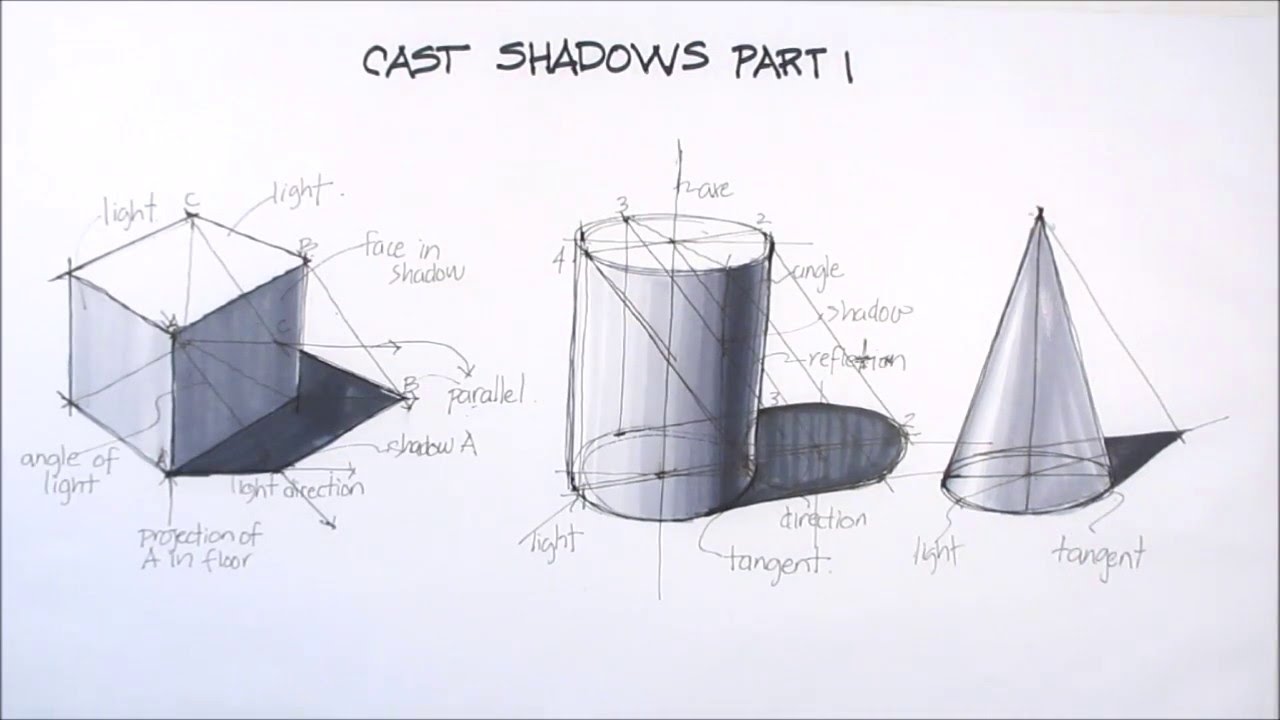
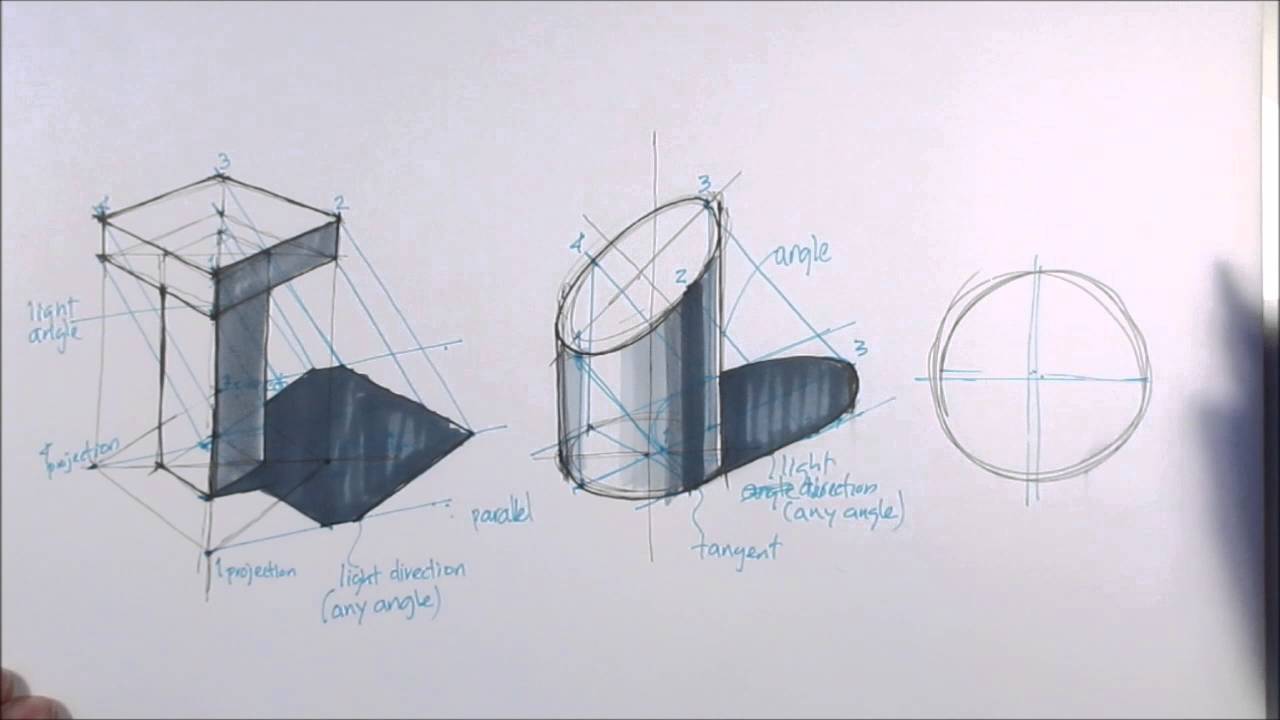
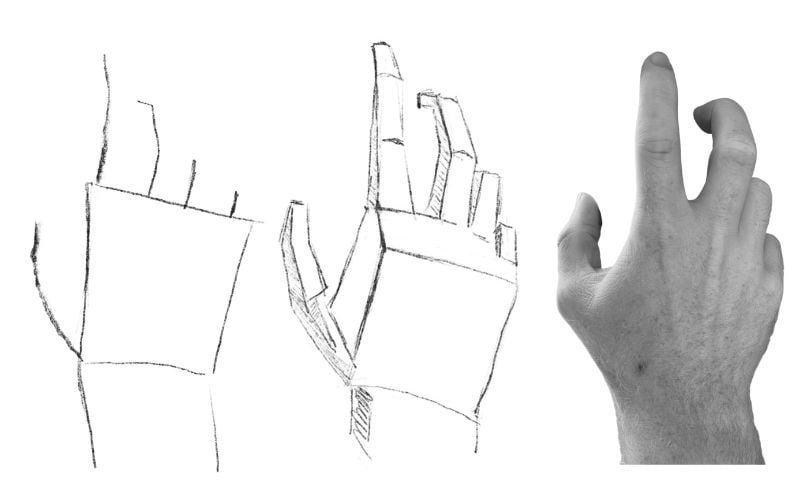
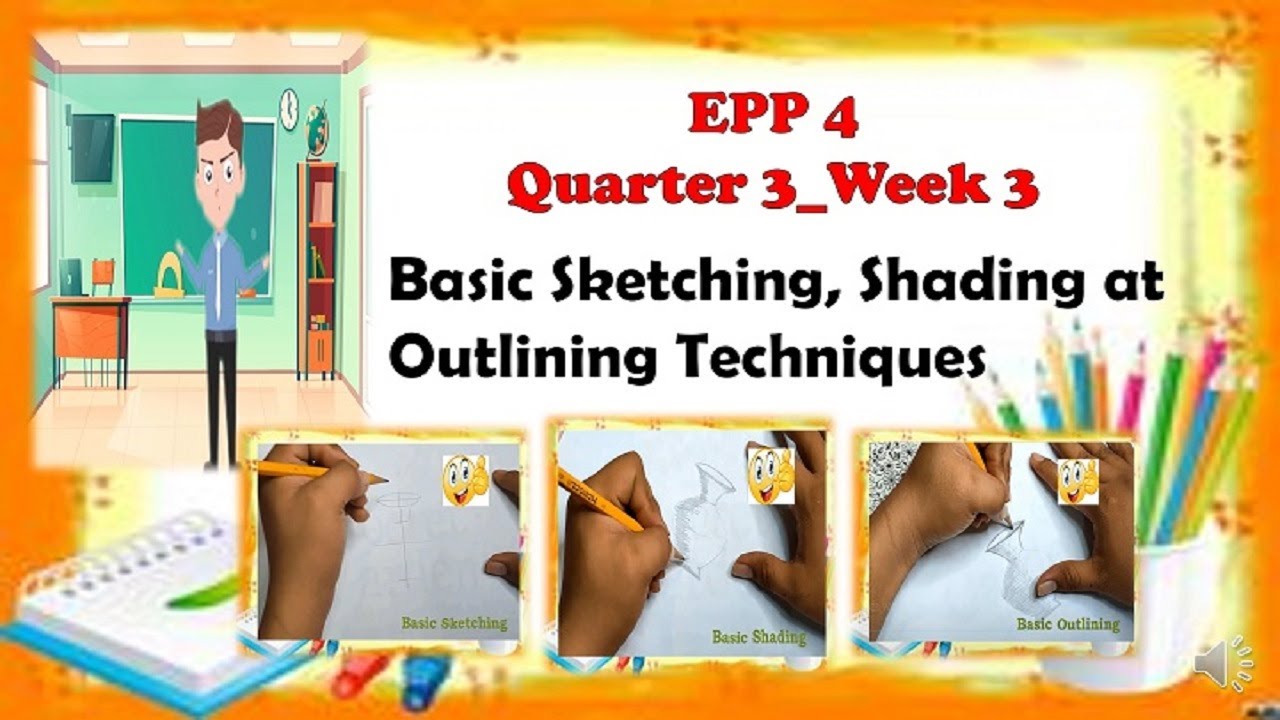
The basics of sketching include learning to draw simple shapes, observing proportions, and practicing shading techniques. Understanding these fundamental concepts will help you create more realistic and detailed sketches. Here are the five basic techniques of drawing:
- Line drawing: Focuses on creating the outline of the subject.
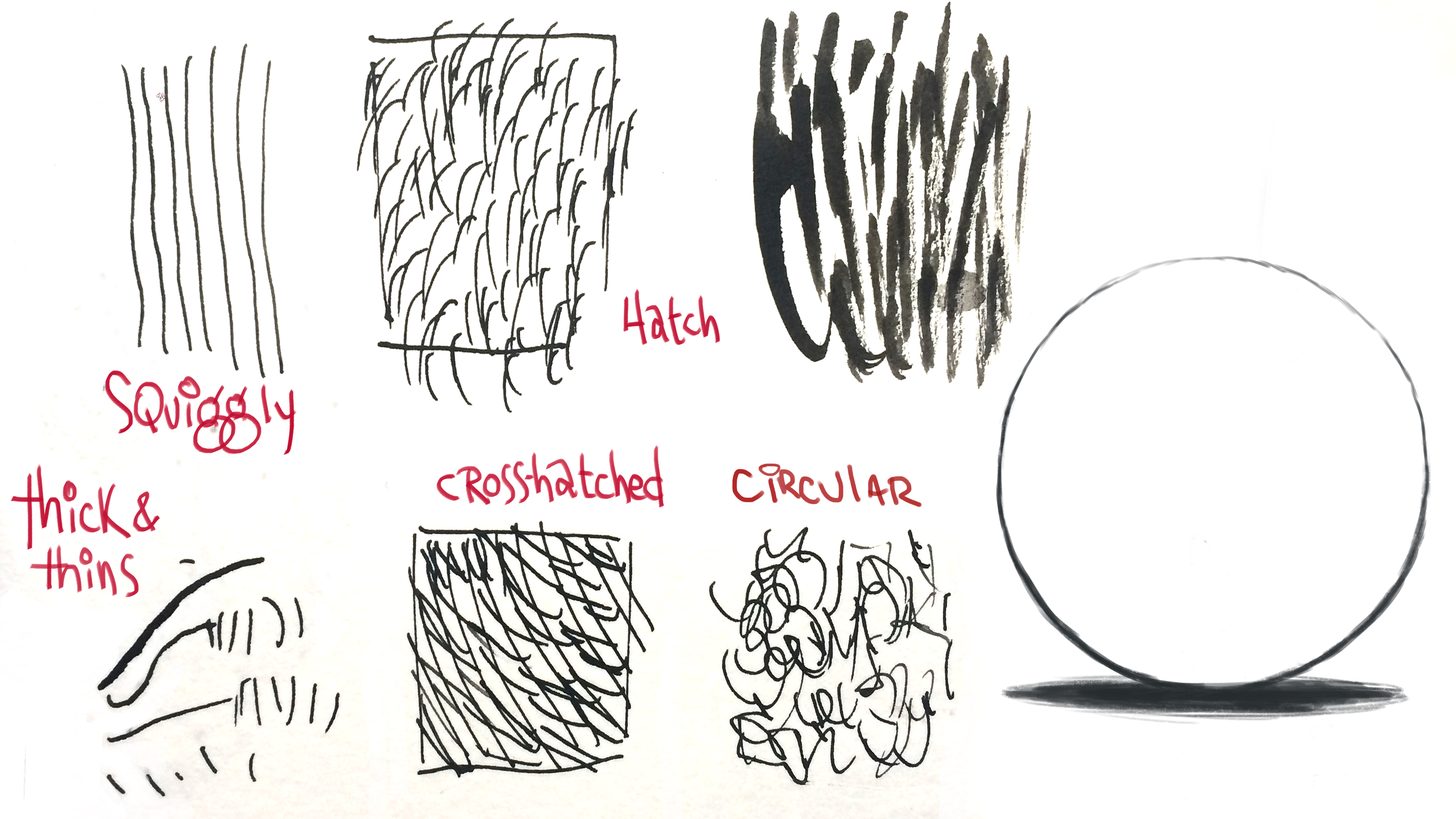
- Hatching: Uses lines to create shading and texture.
- Cross-hatching: Combines hatching with layering to create deeper shading.
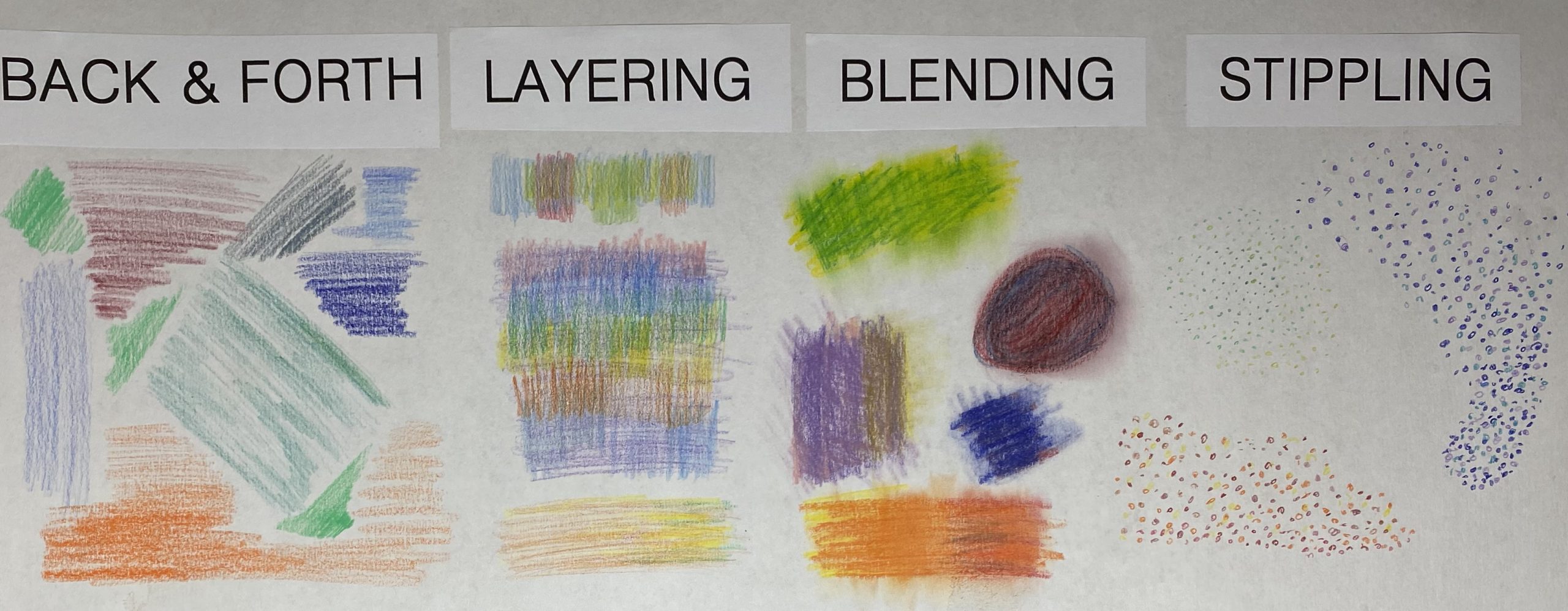
- Stippling: Creates a texture by using small dots.
- Scribbling: Produces an expressive line by using various pressures and gestures.
Practicing Regularly
To improve your sketching skills, it's essential to practice regularly. Set aside time each day or each week to sketch, and experiment with different techniques and mediums. Don't worry about creating perfect art; the goal is to practice and have fun while learning.
Basic Sketching Supplies

Before you start sketching, you'll need the basic supplies. These include:
- Graphite pencils: A range of pencils with varying hardness levels (HB, 2B, 4B, 6B).
- Sharpener: A pencil sharpener to keep your pencils sharp.
- Eraser: A kneaded eraser or white eraser to erase mistakes.
- Sketchbook: A sketchbook with high-quality paper.
Additional Tips
Here are some additional tips to help you improve your sketching skills:
- Observe: Observe the subject you're sketching, paying attention to proportions, texture, and details.
- Practice different techniques: Experiment with different sketching techniques, such as hatching, cross-hatching, and stippling.
- Experiment with different mediums: Try sketching with different mediums, such as charcoal, ink, or watercolors.
- Draw from life: Draw from life, observing the subject directly without a reference image.
Conclusion
Learning the basics of sketching takes time and practice, but with persistence and patience, you'll see significant improvement in your skills. Remember to practice regularly, experiment with different techniques and mediums, and have fun while learning. With these basic sketching techniques, you'll be well on your way to creating stunning sketches and developing your artistic skills.
Whether you're a beginner or an experienced artist, the basic sketching techniques outlined in this article will provide you with a solid foundation to build upon. Practice these techniques regularly, and you'll soon find yourself creating stunning sketches that showcase your unique style and perspective.