Can I Take Too Much Melatonin?
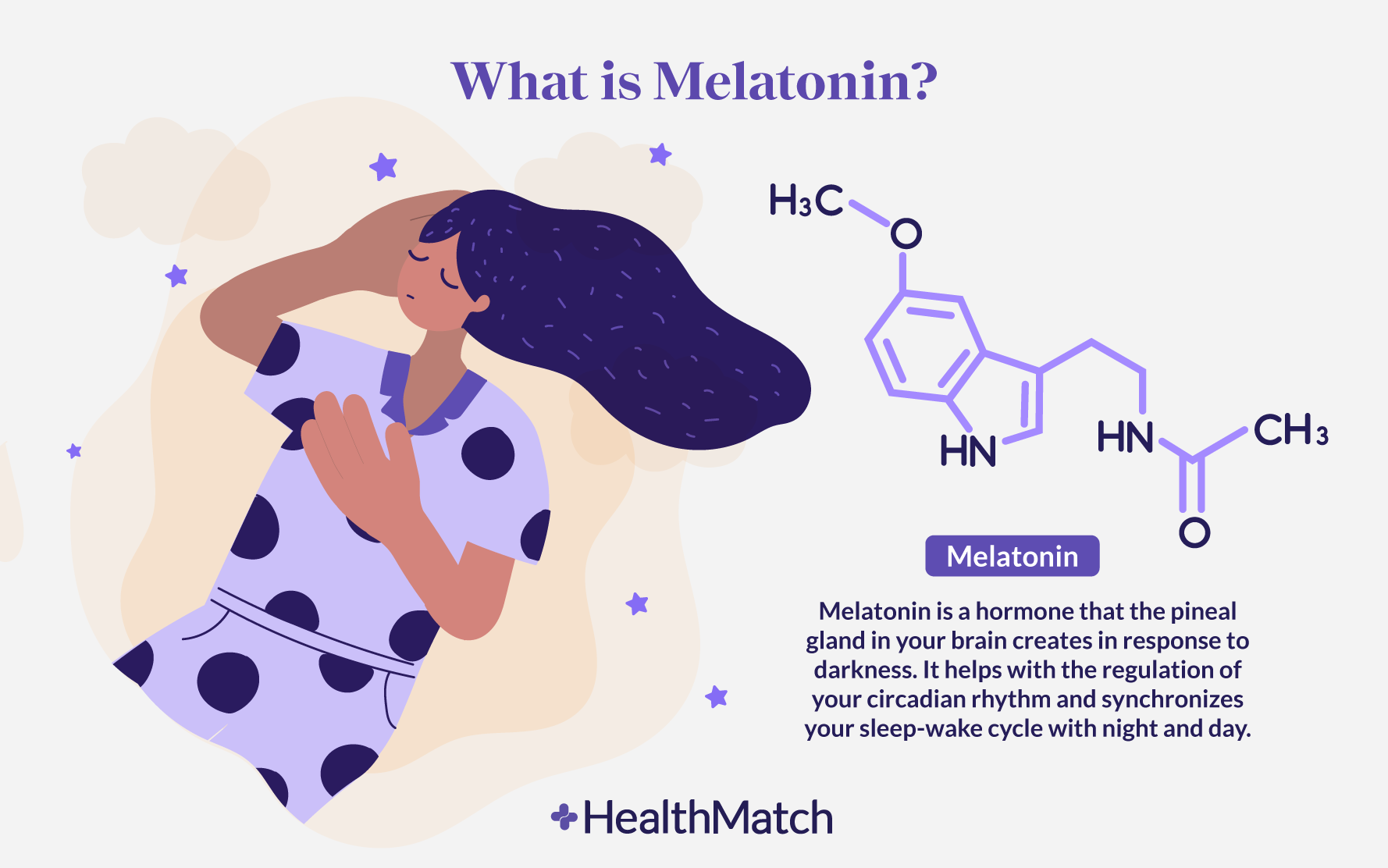
Melatonin is a hormone that our bodies naturally produce to regulate sleep and wake cycles. It is also available as a dietary supplement, which can be bought over the counter (OTC) in various forms, including tablets, capsules, and gummies. While melatonin is generally considered safe, taking too much of it can have adverse effects.
What Happens If I Take Too Much Melatonin?
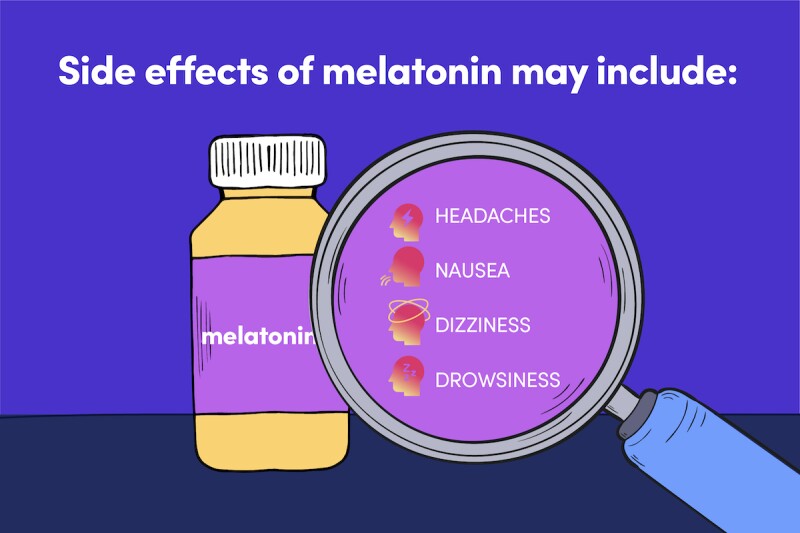
When you take too much melatonin, you may experience a range of side effects, including dizziness, headaches, insomnia, and mood swings. In some cases, an overdose of melatonin can disrupt your body's natural sleep-wake cycle, leading to difficulty falling asleep or staying asleep. This can exacerbate sleep disorders, such as insomnia and sleep apnea.
How Much Melatonin Is Too Much?
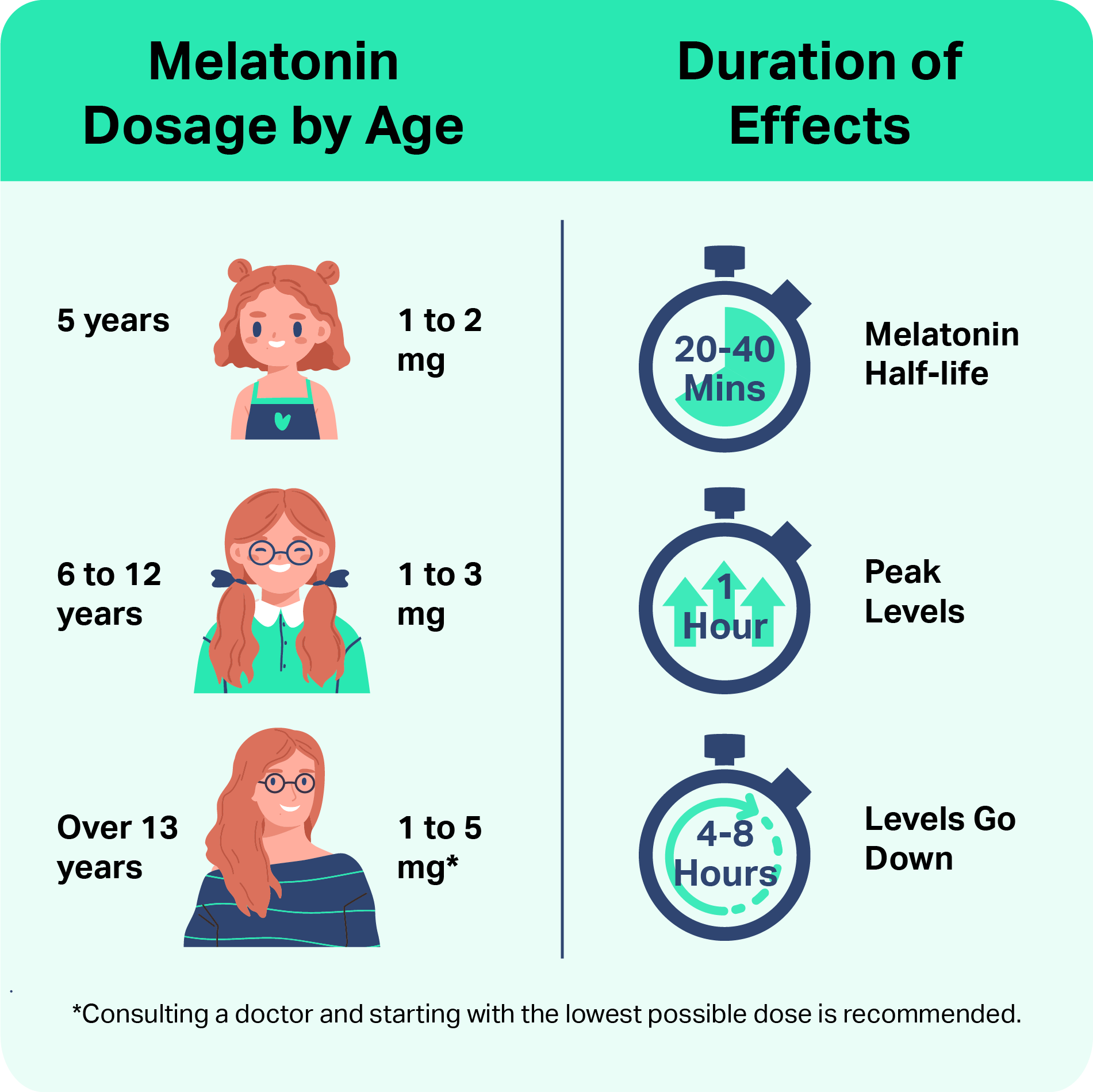
The recommended dosage of melatonin varies depending on age, health conditions, and individual needs. Generally, adult supplements contain between 1-5 milligrams of melatonin. However, some products may contain higher doses, up to 10 milligrams or more. Taking more than 10 milligrams of melatonin in a single day can lead to excessive and prolonged sedation, dizziness, and other side effects.
Who Is at Risk of Melatonin Overdose?
Children, pregnant women, and people with certain medical conditions are more susceptible to melatonin overdose. Children's bodies are smaller, and their developing brains may be more sensitive to the effects of melatonin. Pregnant women should consult their healthcare provider before taking melatonin, as excessive melatonin levels can affect fetal development. Individuals with pre-existing medical conditions, such as diabetes, hypertension, or kidney disease, should also consult their healthcare provider before taking melatonin supplements.
What Are the Signs of Melatonin Overdose?

When you take too much melatonin, you may experience the following symptoms:*
- Dizziness or lightheadedness
- Headaches
- Insomnia or difficulty falling asleep
- Mood swings or irritability
- Stomach cramps or nausea
- Low blood pressure
- Disorientation or confusion
Preventing Melatonin Overdose
Prevention is key to avoiding melatonin overdose. Follow these guidelines:
- Start with a low dose (1-2 milligrams) and gradually increase as needed.
- Consult your healthcare provider before taking melatonin supplements, especially if you have pre-existing medical conditions or take medications.
- Monitor your melatonin levels to avoid excessive intake.
- Combine melatonin with other sleep-promoting habits, such as regular exercise, a balanced diet, and relaxation techniques.
Conclusion
While melatonin is a natural hormone that can help regulate sleep, taking too much of it can have adverse effects. Understanding the signs and risks of melatonin overdose can help you use this supplement safely and effectively. If you experience any symptoms of overdose or have concerns about melatonin use, consult your healthcare provider for guidance.