Excessive Screen Time Effects: Understanding the Risks and Impacts
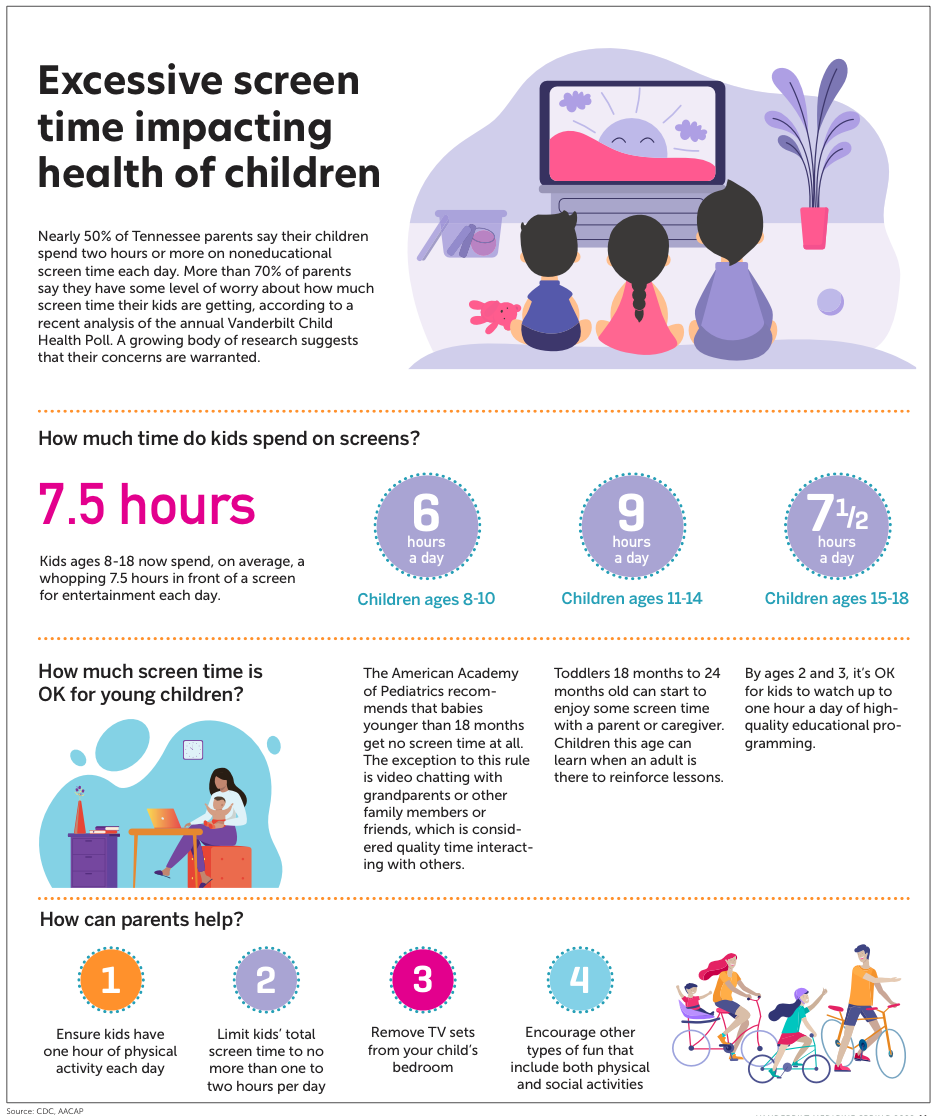
Excessivescreentimeis a growing concern in modern society, with the proliferation of digital devices contributing to increased sedentary behavior and potential hazards to physical health, mental health, and overall well-being. This article explores theexcessivescreentime effectson various aspects of human life, including sleep, relationships, physical health, mental health, and cognitive function.
The Impact on Sleep
Several studies have found thatexcessivescreentimecan hinder sleep, especially when looking atscreenslate at night. Light from thescreencan delay melatonin release from the brain's pineal gland, impacting the body's natural circadian rhythm and causing difficulty sleeping. Additionally, exposure to screens before bed can also lead to insomnia, daytime fatigue, and other sleep-related problems.
Relationship Concerns
Excessivescreentimecan increase emotional disconnection, miscommunication, and conflict within relationships, particularly between significant others. A new term has emerged for this called phubbing, which is a combination of the words phone and snubbing. This phenomenon can lead to feelings of loneliness, isolation, and decreased emotional intimacy.
Physical Health Risks
Recent research has found that spondylosis and numbness issues can arise from excessivescreen time. Moreover, spending too much time on screens has been independently associated with markers of cardiovascular risk, even after accounting for differences in daily physical activity. Long-term exponures may even contribute to obesity, diabetes, and other chronic diseases.
Mental Health Implications
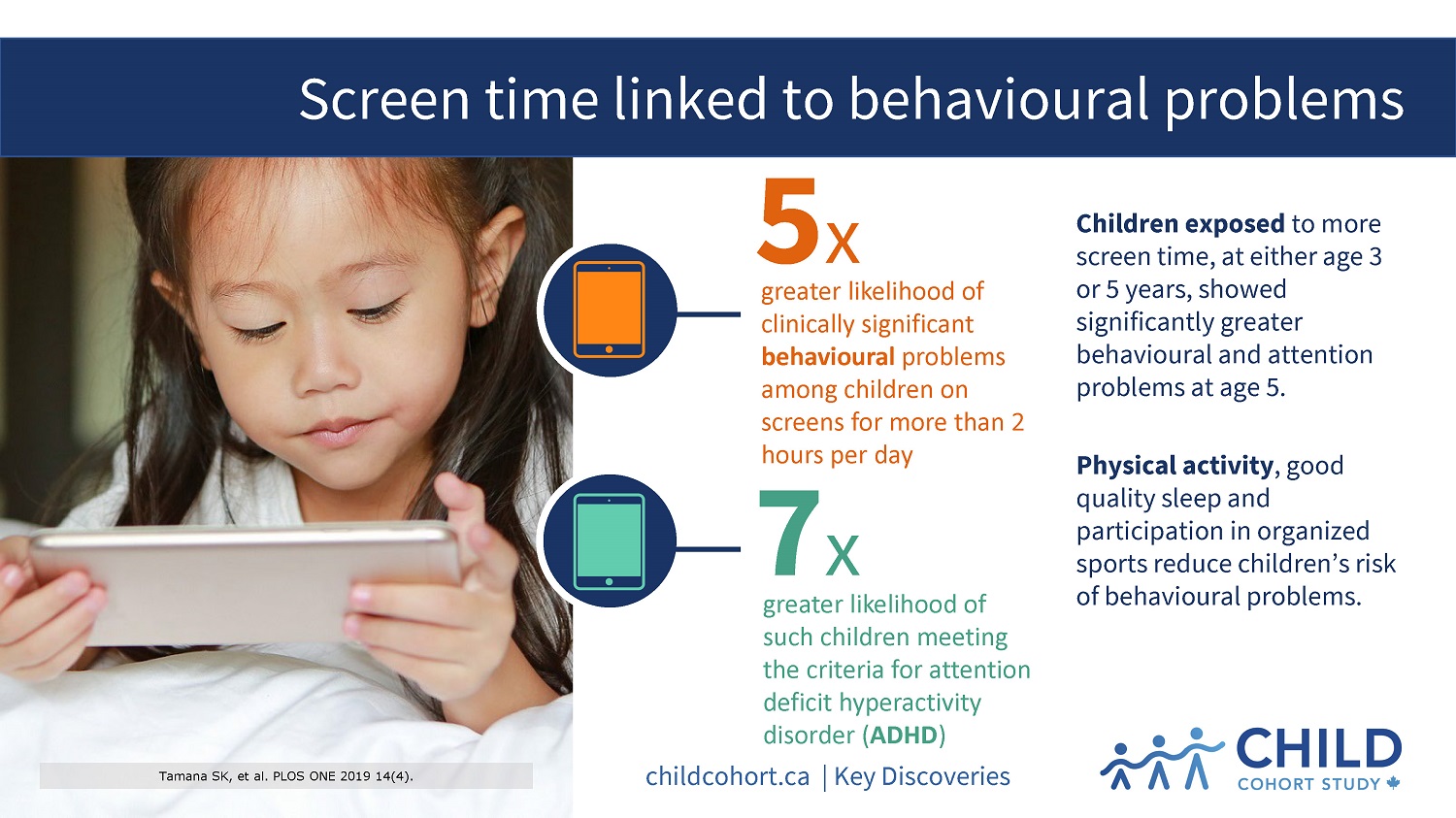
Excessivescreentimeis associated with poorer mental health through the mediation of physical activity, bedtime regularity, and short sleep duration. Individuals who engage in excessive screen use are more likely to experience symptoms of depression, anxiety, and other mental health disorders.
Cognitive Function Concerns
Engaging in purposeful, screen-based activities, such as learning new skills or playing cognitively demanding games, can foster positive changes in the brain. However,excessivescreen use has been linked to changes in neural structure and connectivity that may hinder focus, attention, and emotional regulation. Prolonged screen time may even contribute to reduced capacity for deep focus, impaired memory, and decreased academic performance.
Reducing Excessive Screen Time: Practical Strategies
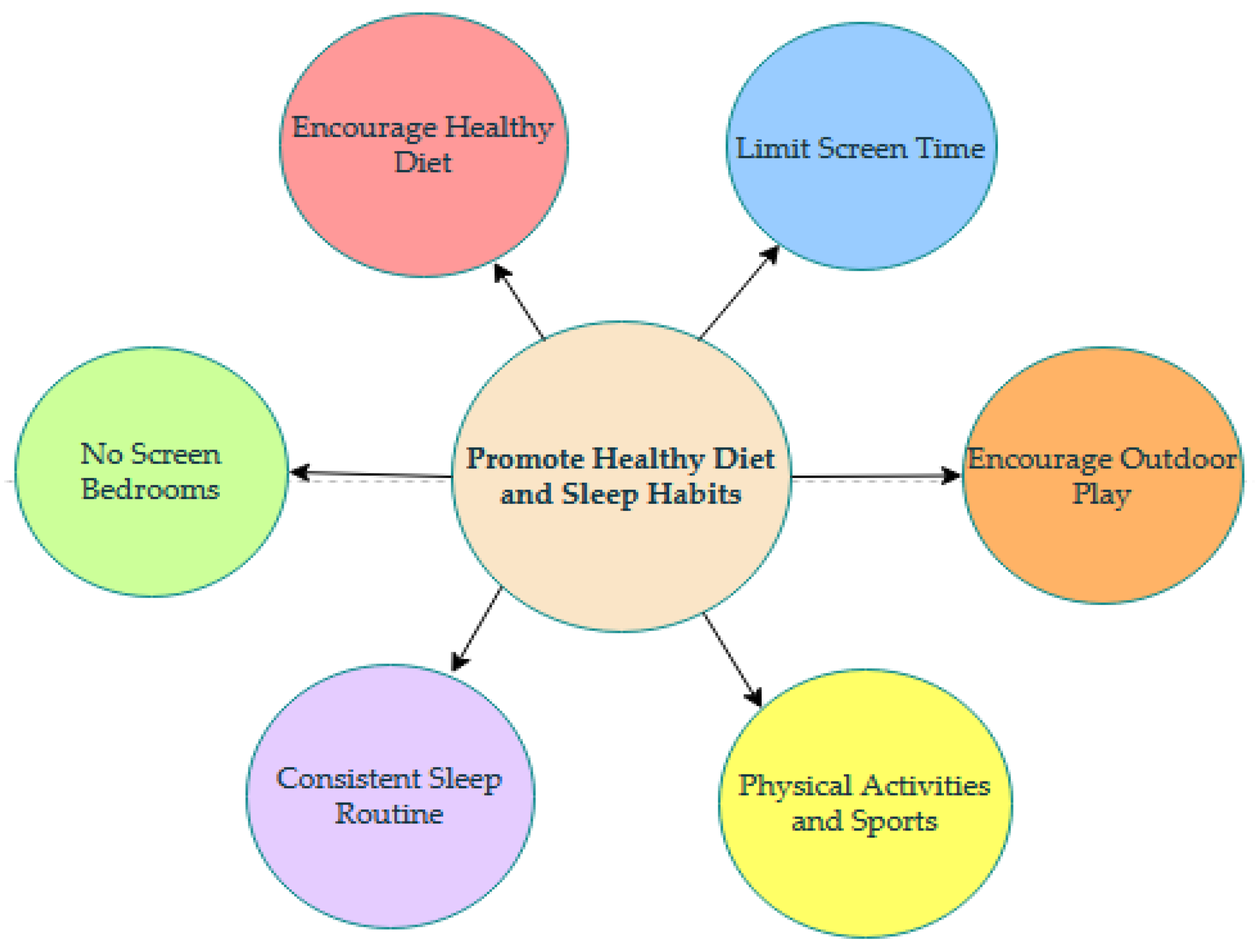
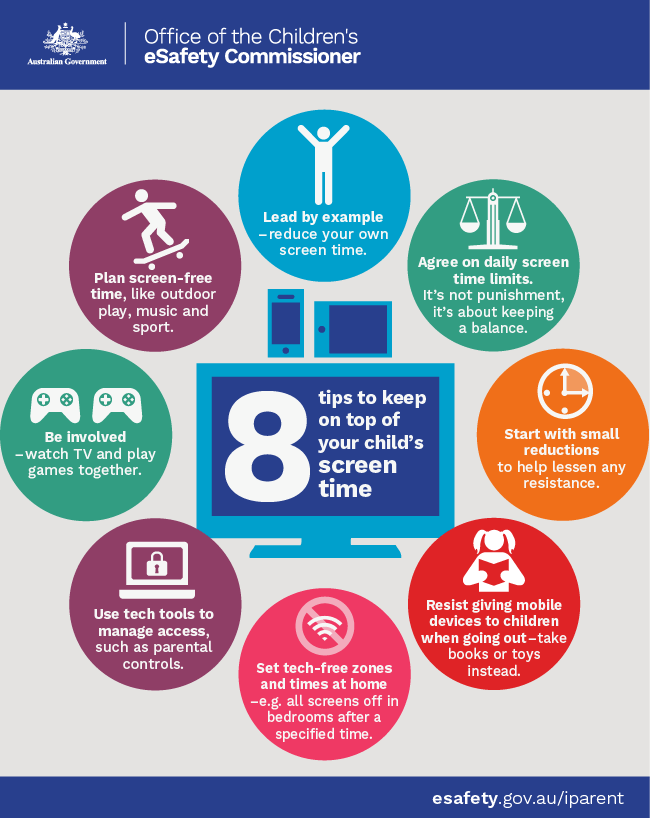
Several strategies can help individuals reduce their excessivescreen time and promote healthier screen use habits:
- Settimelimits for daily screen use.
- Encourage physical activity and outdoor play.
- Implement screen-free zones in the home, such as the dinner table or bedroom.
- Use screen filters or apps that track and limit screen time.
- Engage in face-to-face interactions and social activities.
Conclusion
Excessivescreentimehas far-reaching implications for physical health, mental health, and cognitive function. By understanding theexcessivescreentime effectsand implementing practical strategies, individuals can reduce their screen use and promote healthier habits for a better quality of life.
Further Reading
For a deeper understanding of the excessivescreentime effectsand its impact on various aspects of human life, further reading can be found in the following articles:
- "A Study on the Excessive Screen Time and Its Correlation with Cognitive Performance."
- "Excessivescreen time and Its Effects on Sleep Quality in Young Adults."
- "The Relationship Between Excessive Screen Time and Mental Health in School-Aged Children."
By staying informed and taking proactive steps, individuals can mitigate the negative excessivescreentime effects and promote a healthier, more balanced lifestyle.