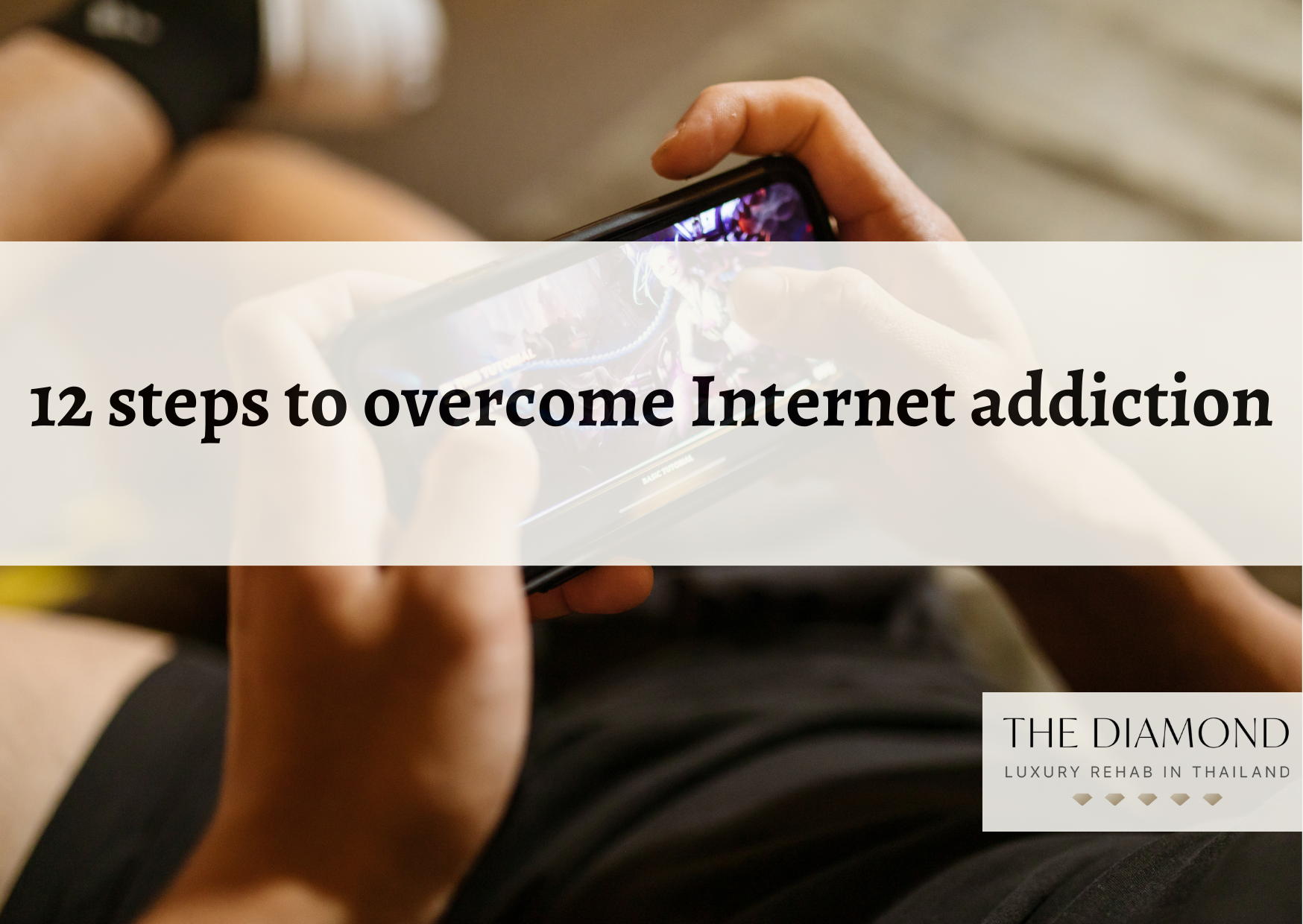
Overcoming Smartphone Addiction: Break Free from Digital Dependency
Are you tired of feeling like your smartphone is in control of your life? Do you find yourself mindlessly scrolling through social media, playing games, or texting friends, only to realize hours have passed and you've accomplished nothing? If so, you're not alone. Smartphone addiction is a growing concern, affecting people of all ages and backgrounds.
Understanding Smartphone Addiction
Smartphone addiction is a behavioral dependency on smartphone usage that interferes with daily life, productivity, and mental well-being. It's characterized by excessive stimulation from social media, notifications, instant gratification from texts, and the dopamine rush triggered by likes, shares, and messages. This addiction can lead to anxiety, depression, and social isolation, ultimately affecting physical and mental health.
According to a 2016 study, smartphone addiction can be diagnosed with the following criteria:
- Preoccupation with smartphone use
- Neglect of responsibilities and daily activities
- Tolerance of excessive smartphone use
- Withdrawal symptoms when unable to use smartphone
- Continued smartphone use despite negative consequences
Symptoms of Smartphone Addiction
Recognizing the signs of smartphone addiction is crucial to overcoming it. Some common symptoms include:
- Excessive smartphone use, often to the point of neglecting responsibilities and daily activities
- Preoccupation with smartphone use, such as constant checking of notifications or social media
- Feeling anxious or restless when unable to use smartphone
- Neglecting physical and mental health, such as not exercising, eating poorly, or getting enough sleep
- Using smartphone as a coping mechanism for emotions, such as stress, anxiety, or depression

Causes of Smartphone Addiction
So, why do people become addicted to their smartphones? The reasons are complex, but some common causes include:
- Convenience and ease of use
- Instant gratification from social media, emails, and text messages
- Fear of missing out (FOMO) and anxiety about being disconnected
- Lack of self-regulation and impulse control
- Perceived need for constant connectivity and validation
Overcoming Smartphone Addiction
Breaking free from smartphone addiction requires more than willpower – it demands sophisticated strategies that address the neurological, psychological, and behavioral aspects of digital dependency. Here are some practical tips to help you overcome smartphone addiction:
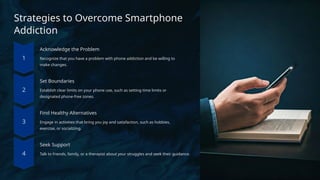
- Set boundaries and limits on smartphone use, such as not using phone during meals or before bedtime
- Use apps and tools to track and monitor smartphone use, such as Freedom or Moment
- Replace smartphone use with alternative activities, such as exercise, reading, or hobbies
- Practice mindfulness and self-regulation strategies, such as meditation or deep breathing
- Seek support from friends, family, or a therapist who specializes in digital addiction
Conclusion
Overcoming smartphone addiction requires a comprehensive approach that addresses the underlying causes, symptoms, and consequences of digital dependency. By implementing these strategies, you can break free from the grip of smartphone addiction and regain control over your life. Remember, it's not about completely avoiding your smartphone – it's about finding balance and using technology in a way that enhances your well-being, rather than controlling it.