Understanding Nomophobia and its Causes: A Guide to the Fear of Being Without a Smartphone
Are you constantly worried about being without your smartphone? Do you feel anxious or uneasy when you're unable to access your phone or its features? If so, you may be experiencing nomophobia, a modern anxiety disorder that's linked to the excessive use of mobile devices.
The Prevalence and Causes of Nomophobia
Nomophobia is estimated to affect around 20% of the population, with moderate to severe symptoms reported in around 50% of individuals. The causes of nomophobia are multifaceted and complex, but research suggests that they can be linked to a range of factors, including:
-
Over-reliance on Phones for Social Connection and Information
Today's smartphones have become an essential part of daily life for most people, providing easy access to information, social media, and communication tools. However, this over-reliance on phones can lead to a fear of being without them, causing anxiety and discomfort when separated from one's device.
-
Fear of Isolation or Loneliness
Many people experience a sense of security and comfort when they're connected to their phone. When they're unable to use their phone or are separated from it, they may experience feelings of isolation or loneliness, which can be distressing.
-
Low Self-Esteem or Confidence
Individuals with low self-esteem or confidence may be more prone to nomophobia, as their dependence on their phone can be a coping mechanism for feelings of inadequacy.
-
Learned Phobia
Nomophobia can also be a learned behavior, resulting from years of developing a fear of being without one's phone.
-
Technical Reliance
As mobile devices continue to integrate more features and functionalities, people may become reliant on their phones for a range of tasks, from navigation to entertainment. This reliance can lead to a fear of being without access to these features.
Understanding the Psychological Aspects of Nomophobia
Nomophobia is not just a matter of people being addicted to their phones; it's a psychological condition that requires a deeper understanding of the underlying causes. By recognizing the triggers and causes of nomophobia, individuals can work to manage their anxiety and develop healthier relationships with their phones.

Managing Nomophobia: Strategies and Tips
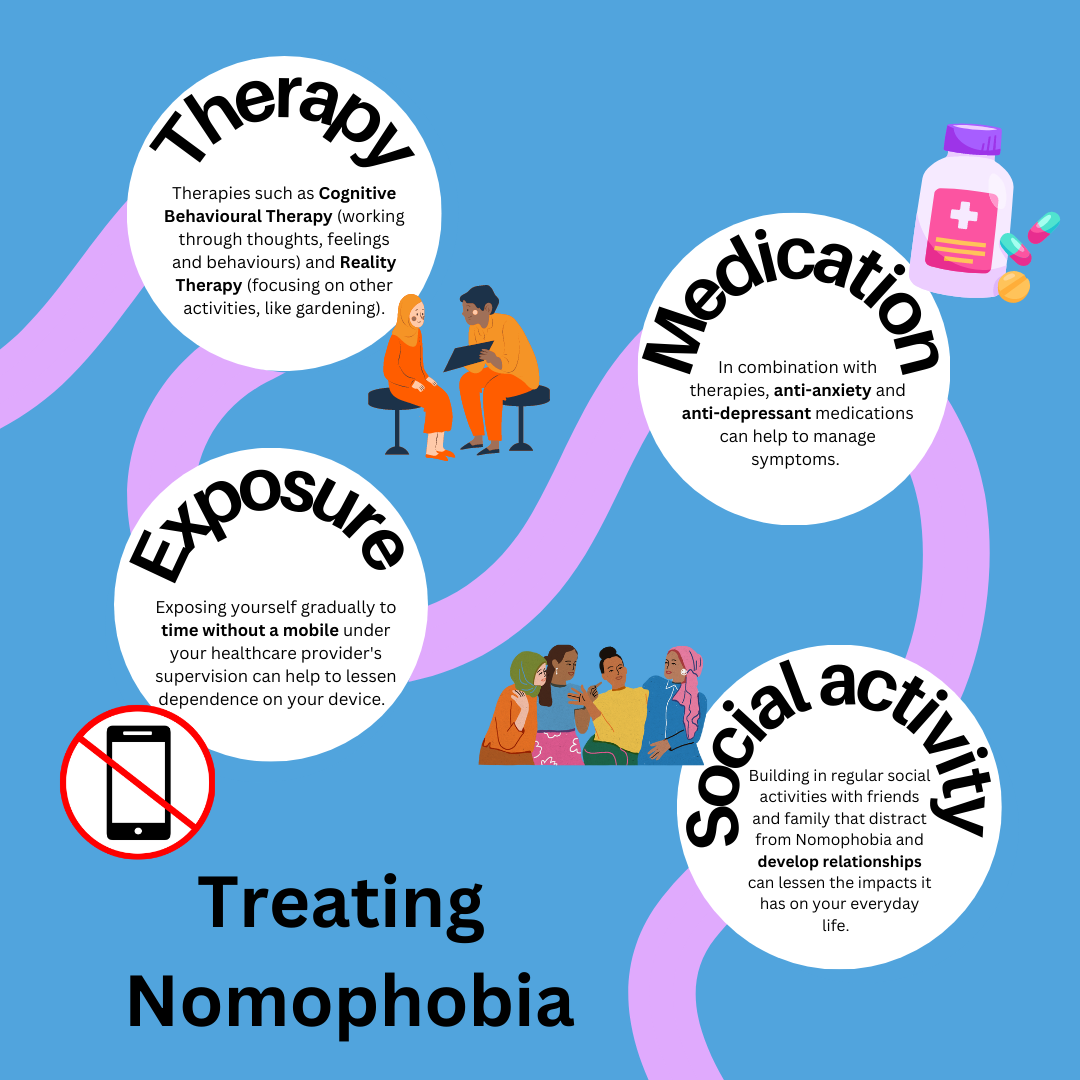
Managing nomophobia requires a combination of self-awareness, communication, and boundary-setting. Here are some strategies and tips to help you cope with nomophobia:
-
Set Boundaries
Establishing clear boundaries around phone use can help you manage your nomophobia. This may involve setting specific times for phone use, turning off notifications, or avoiding social media.
-
Take Breaks
Regularly taking breaks from your phone can help you reduce your reliance on it and manage your anxiety levels.
-
Practice Mindfulness
Mindfulness techniques, such as meditation or deep breathing, can help you develop greater self-awareness and manage your anxiety levels.
-
Seek Support
Sharing your concerns with friends, family, or a mental health professional can provide valuable support and help you develop strategies for managing nomophobia.
Conclusion
Nomophobia is a complex and multifaceted anxiety disorder that requires a comprehensive understanding of its causes and effects. By recognizing the triggers and causes of nomophobia, individuals can work to manage their anxiety and develop healthier relationships with their phones. By adopting strategies such as setting boundaries, taking breaks, practicing mindfulness, and seeking support, you can begin to overcome your nomophobia and develop a healthier relationship with technology.