Understanding Tech Socialization: A Key to Unlocking Human Connections
As we navigate the complex landscape of the digital world, it's becoming increasingly clear that technology has a profound impact on human socialization. From virtual communities to AI-driven companions, the ways in which we interact with each other and with technology are evolving at an unprecedented rate. In this article, we'll delve into the concept of tech socialization, exploring its definition, significance, and implications for our relationships and society as a whole.
The Rise of Tech Socialization
Sociologists and researchers have long recognized that technology plays a significant role in shaping our social interactions and relationships. However, the concept of tech socialization is relatively new and has gained significant attention in recent years. Tech socialization refers to the process by which individuals learn to navigate and make sense of technology, as well as the ways in which technology shapes our social relationships and identities.
According to a study published in the Journal of Social and Personal Relationships, tech socialization is a critical component of socialization in the digital age. The researchers found that individuals who were more proficient in using technology were also more likely to engage in online social interactions, which in turn contributed to their sense of social support and well-being.
The Role of Family in Tech Socialization
Family is often considered an importantsocializationenvironment for adopting information and communication technologies (ICTs). However, the existing research on ICT adoption tends to focus on individual factors, such as age, education level, and socioeconomic status. Drawing on technology adoption, socialization, and social identity theories, this study focuses on the process of tech socialization of ICT adoption for middle-aged parents with the influence of their adult children in Chinese families.
The findings of the study suggest that the adult children play a crucial role in the tech socialization of their parents. The children's influence on their parents' ICT adoption is attributed to their younger generation status and their ability to navigate and use technology more easily. The study highlights the importance of considering relational/collective factors in research on digital inequity.
The Benefits and Drawbacks of Tech Socialization
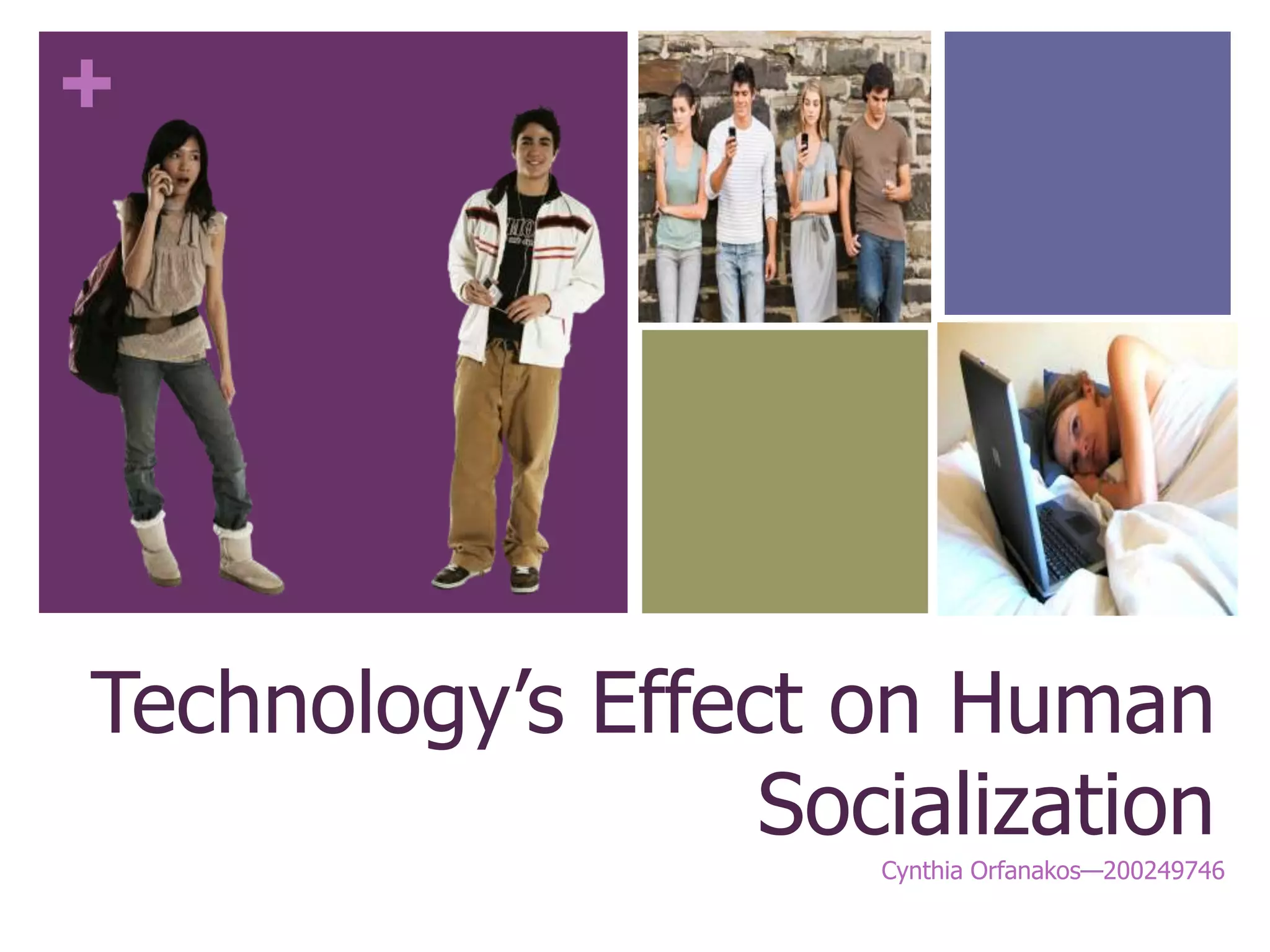
The impact of tech socialization on human relationships and society is complex and multifaceted. On the one hand, technology has provided unprecedented opportunities for global connectivity, access to information, and social interaction. Social media platforms, in particular, have enabled individuals to connect with others across geographical boundaries and engage in online communities centered around shared interests.
However, excessive tech socialization has also been linked to several negative consequences, including social isolation, decreased face-to-face interaction, and a decline in deep, meaningful relationships. A study published in the Journal of Adolescent Health found that adolescents who spent more time on social media were more likely to experience depression, anxiety, and loneliness.
Unlocking the Full Potential of Tech Socialization
As technology continues to shape our social interactions and relationships, it's essential to recognize both the benefits and drawbacks of tech socialization. By understanding the complexities of tech socialization, we can develop strategies to harness its potential for positive social change. Here are some ways to unlock the full potential of tech socialization:
- Designing technology that promotes face-to-face interaction and deep, meaningful relationships.
- Implementing policies and regulations to mitigate the negative effects of excessive tech socialization.
- Fostering a culture that values human connection and social interaction, in addition to digital communication.
- Developing educational programs that teach individuals how to navigate and use technology in a way that promotes healthy socialization.
Conclusion
As we navigate the digital world, it's essential to recognize the significance of tech socialization in shaping our social relationships and identities. By understanding both the benefits and drawbacks of tech socialization, we can unlock its full potential for positive social change. The integration of technology into our daily lives is inevitable; what's crucial is that we learn to harness its power in a way that promotes human connection and well-being.