Electric Motorcycle Charging: A Comprehensive Guide
As the world continues to shift towards electric vehicles, electric motorcycle charging has become an essential aspect of owning an electric motorcycle. In this article, we will delve into the world of electric motorcycle charging, exploring the different types of chargers, the importance of battery health, and the latest advancements in fast charging technology.
Types of Electric Motorcycle Chargers
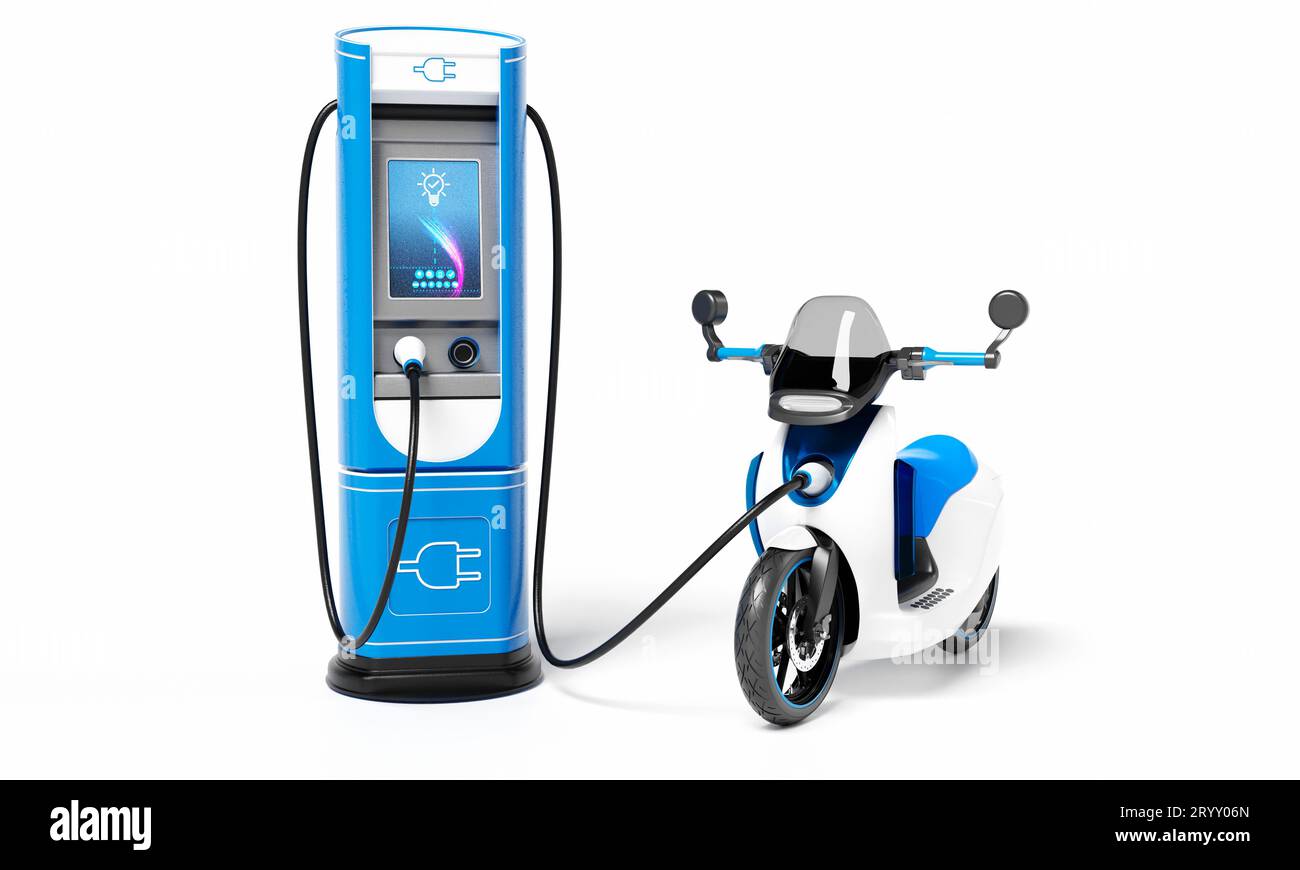
There are three main types of electric motorcycle chargers: Level 1, Level 2, and DC Fast Charging. Each type of charger has its own advantages and disadvantages, and the right one for you will depend on your specific needs and circumstances.
- Level 1 Charging: Level 1 charging is the most basic and widely accessible form of charging. It uses a standard 120-volt US wall outlet and is suitable for home use or topping off at the office or parking garage. Level 1 charging is the slowest method, taking between 3-5 hours to fully charge a battery.
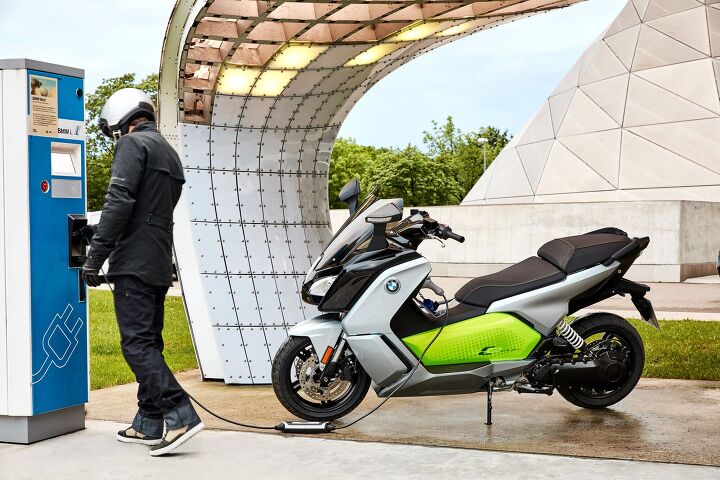
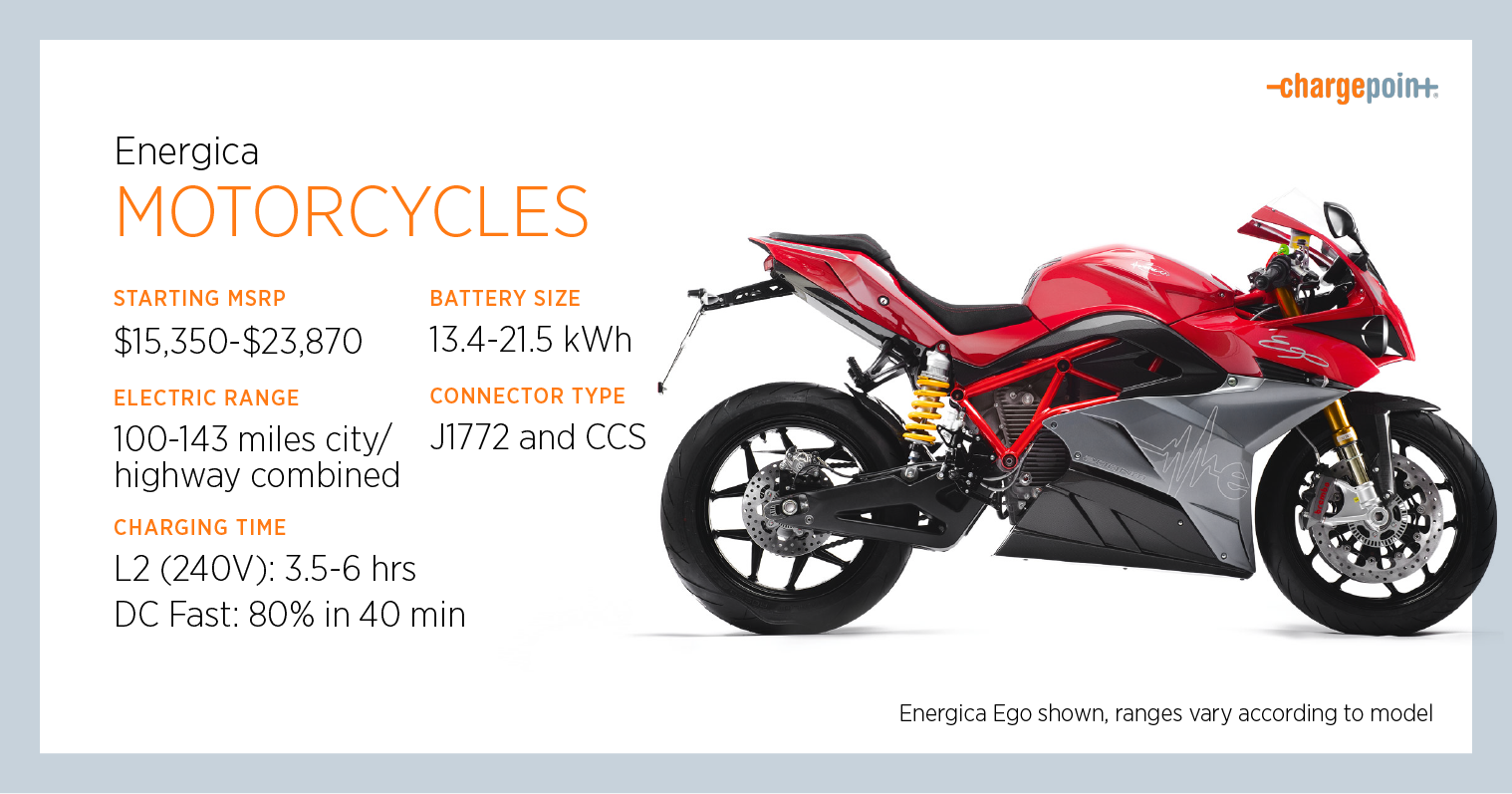
- Level 2 Charging: Level 2 charging uses a 240-volt charging station and can charge a battery in 2-4 hours. This type of charging is commonly used at public charging stations and is suitable for most urban commutes.
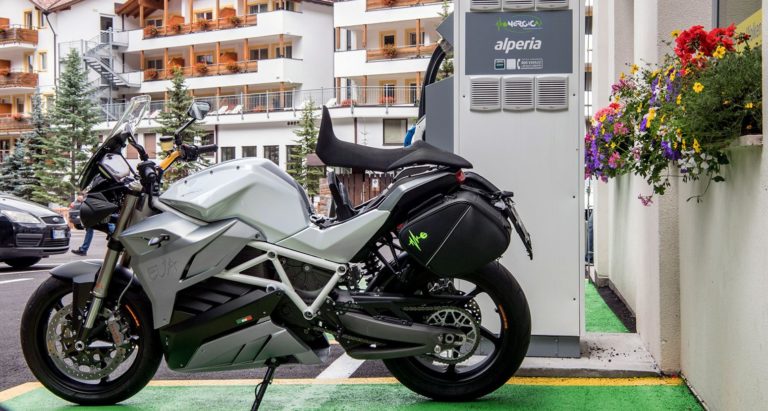
- DC Fast Charging: DC Fast Charging is the fastest method of charging, capable of replenishing a battery to 80% in just 30 minutes. This type of charging is commonly used at high-power charging stations and is ideal for long-distance travel.
Why Battery Health Matters
Proper battery health is crucial for maximizing the lifespan and performance of your electric motorcycle. Overcharging, undercharging, and extreme temperatures can all affect battery health, reducing its capacity and lifespan. To maintain optimal battery health, it's essential to charge your motorcycle regularly, avoiding extreme charging states (e.g., fully charged or fully discharged) and keeping the battery temperature within the recommended range.
Fast Charging Technology: The Future of Electric Motorcycle Charging
Fast charging technology is rapidly advancing, making it possible to charge electric motorcycles in a fraction of the time it took in the past. Donut Lab's solid-state battery technology, for example, has achieved charging times of under 12 minutes at over 100 kW. This progress has the potential to revolutionize the electric motorcycle industry, enabling riders to enjoy longer ranges and reduced charging times.
Choosing the Right Charger for Your Needs
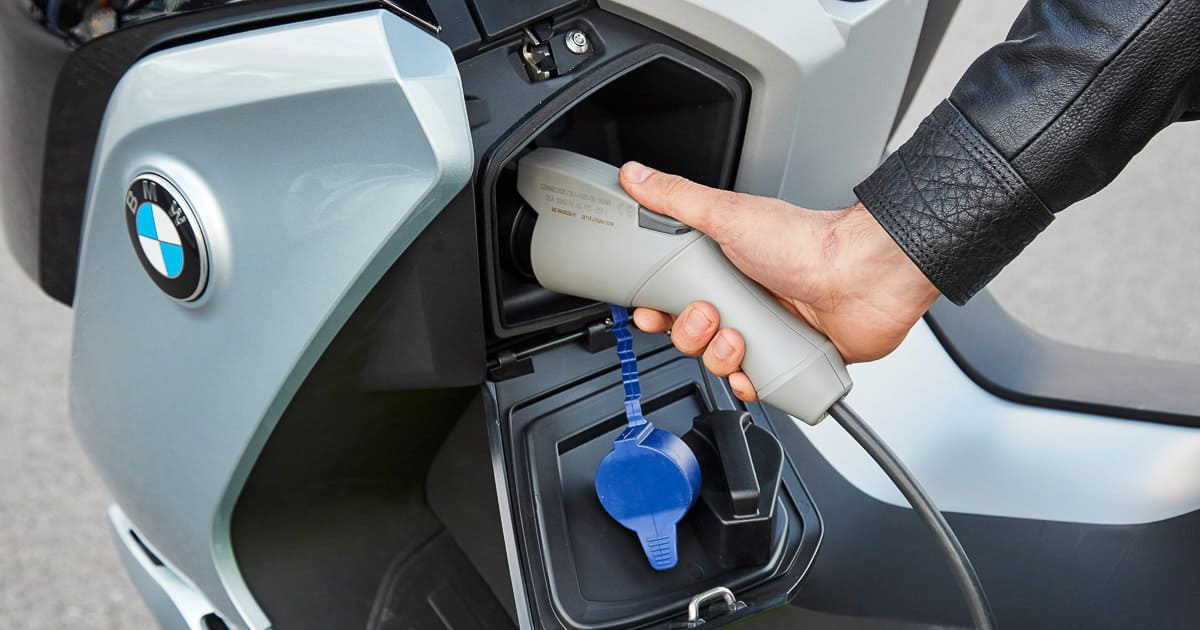
When selecting a charger for your electric motorcycle, consider the following factors: charging speed, power output, and compatibility with your motorcycle's charging system. If you prioritize speed and convenience, a DC Fast Charger may be the best option. However, if you have limited access to high-power charging stations, a Level 2 or Level 1 charger may be more suitable.
Conclusion
Electric motorcycle charging is a critical aspect of owning an electric motorcycle. Understanding the different types of chargers, the importance of battery health, and the latest advancements in fast charging technology will help you make informed decisions about your electric motorcycle's charging needs. By choosing the right charger for your needs and following best practices for battery health, you can enjoy a faster, longer, and more convenient riding experience.
Further Reading:
For those interested in learning more about electric motorcycle charging, we recommend checking out the following resources:
- Electric Motorcycle Charging: An Infographic - A comprehensive guide to electric motorcycle charging, covering the different types of chargers and their characteristics.
- Electric Motorcycle Charging Technologies: Explained - A detailed analysis of the different charging technologies used in electric motorcycles.
- Honda's New Electric Motorcycle Charging System - A look at Honda's innovative new charging system for electric motorcycles.