Improving Attention Span in Children with ADHD and Autism
Attentionspan is a crucial aspect of a child's development, especially for those with Attention Deficit Hyperactivity Disorder (ADHD) and Autism Spectrum Disorder (ASD). Children with ADHD and autism often struggle with focus, concentration, and impulse control, making it challenging for them to learn and participate in daily activities. In this article, we will explore various strategies and techniques to improve attention span in children with ADHD and autism.
Understanding Attention Span Challenges
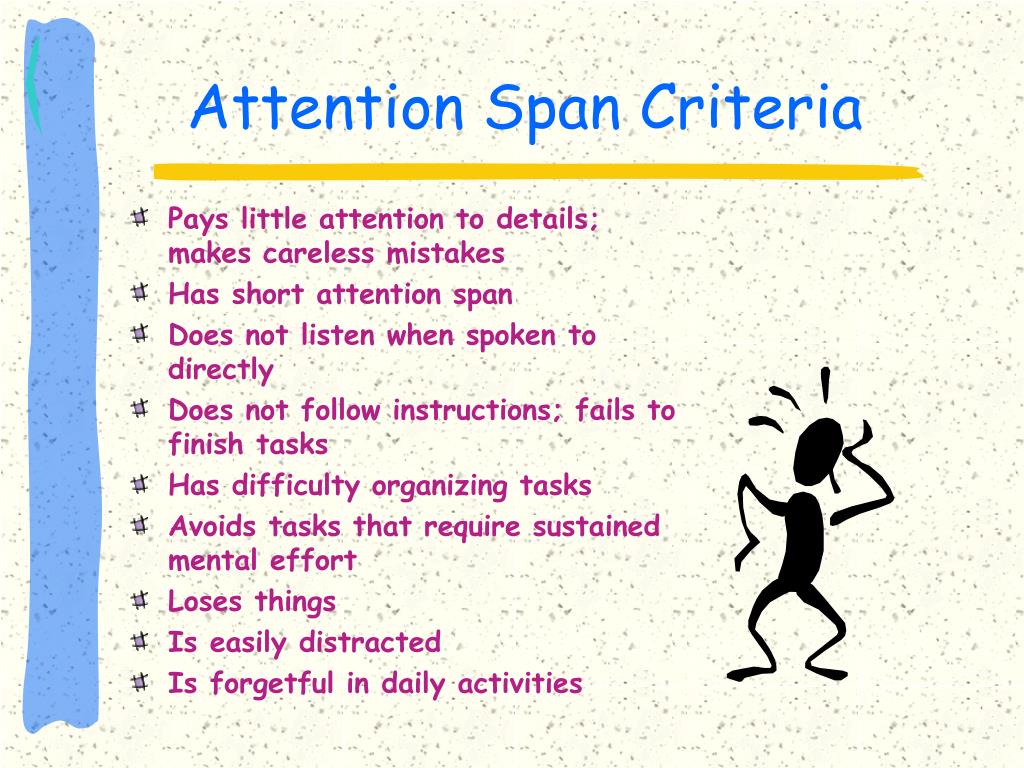
Children with ADHD and autism often face unique attention span challenges that can impact their learning, social interactions, and overall well-being. These challenges can be attributed to difficulties in executive functioning, working memory, and sensory processing. Recognizing these difficulties early and implementing tailored therapeutic interventions can significantly improve their capacity to concentrate, process information, and participate in activities.
Strategies for Improving Attention Span
- Visual Supports: Visual supports, such as visual schedules and checklists, can help children with autism and ADHD stay focused and on track. These visual aids can be used to break down tasks into smaller, manageable steps and provide a clear understanding of expectations.
- Sensory Integration: Sensory integration techniques, such as deep pressure, joint compressions, and swinging, can help children with autism and ADHD regulate their sensory processing and improve their attention span.
- Physical Activity: Regular physical activity, such as running, jumping, and playing sports, can help improve attention span in children with ADHD and autism. Exercise has been shown to increase dopamine levels, which can help improve focus and concentration.
- ABA Therapy: Applied Behavior Analysis (ABA) therapy is a type of behavioral therapy that has been shown to be effective in improving attention span in children with autism and ADHD. ABA therapy involves breaking down complex behaviors into smaller, manageable steps and reinforcing desired behaviors.
- Medication: Medication, such as stimulants and non-stimulants, can help improve attention span in children with ADHD. However, medication should only be used under the guidance of a qualified healthcare professional and in conjunction with behavioral therapies.
- Occupational Therapy: Occupational therapy can help children with autism and ADHD develop the skills and strategies needed to improve their attention span. Occupational therapy can include activities such as puzzles, playdough, and fine motor exercises.

Practical Strategies for Parents and Caregivers
As a parent or caregiver, there are several practical strategies you can use to improve your child's attention span:
- Break tasks into smaller steps: Break down complex tasks into smaller, manageable steps to help your child stay focused and on track.
- Use visual aids: Use visual aids, such as visual schedules and checklists, to help your child stay organized and focused.
- Encourage physical activity: Encourage your child to engage in regular physical activity, such as running, jumping, and playing sports.
- Provide a structured environment: Provide a structured environment that includes a daily routine and clear expectations.
- Offer rewards and reinforcement: Offer rewards and reinforcement for desired behaviors, such as staying focused and on task.
Conclusion
Improving attention span in children with ADHD and autism requires a comprehensive approach that includes strategies and techniques from various disciplines. By working with a qualified healthcare professional, occupational therapist, and ABA therapist, you can develop a personalized plan to improve your child's attention span and help them thrive in school and in life.











:max_bytes(150000):strip_icc()/adhd-in-young-children-20844-a5a7da14c01543ce9b90d1d1d6a64757.png "ADD vs. ADHD: How Are They Different? - Verywell Mind")