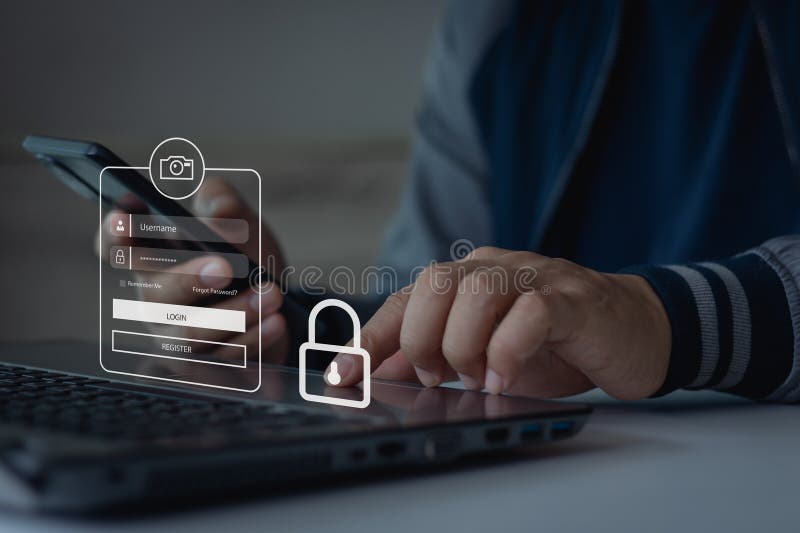
Protect Online Financial Info: Expert Tips to Safeguard Your Finances
Today, most of our daily lives are online - from online banking to social media and e-commerce. This convenience, however, also comes with a significant risk of financial fraud and identity theft. That's why it's essential to take proactive steps to protect your online financial information.
Why Protect Online Financial Info Matters
Financial institutions have a duty to protect your personal and financial information, but you should also be aware of the potential risks and take steps to minimize them. Understanding how customer account takeovers and theft of personal financial information can occur will empower you to protect your financial situation and avoid unfortunate consequences.
The Consequences of Financial Fraud and Identity Theft
Financial fraud and identity theft can have severe consequences on your financial stability and credit score. Thieves may use your stolen information to open new accounts, purchase items, or transfer funds to their bank accounts. In the worst-case scenario, you may struggle to recover from these incidents, affecting your creditworthiness for years to come.
10 Essential Tips to Protect Online Financial Info
To safeguard your online financial information and avoid financial fraud, follow these crucial tips:

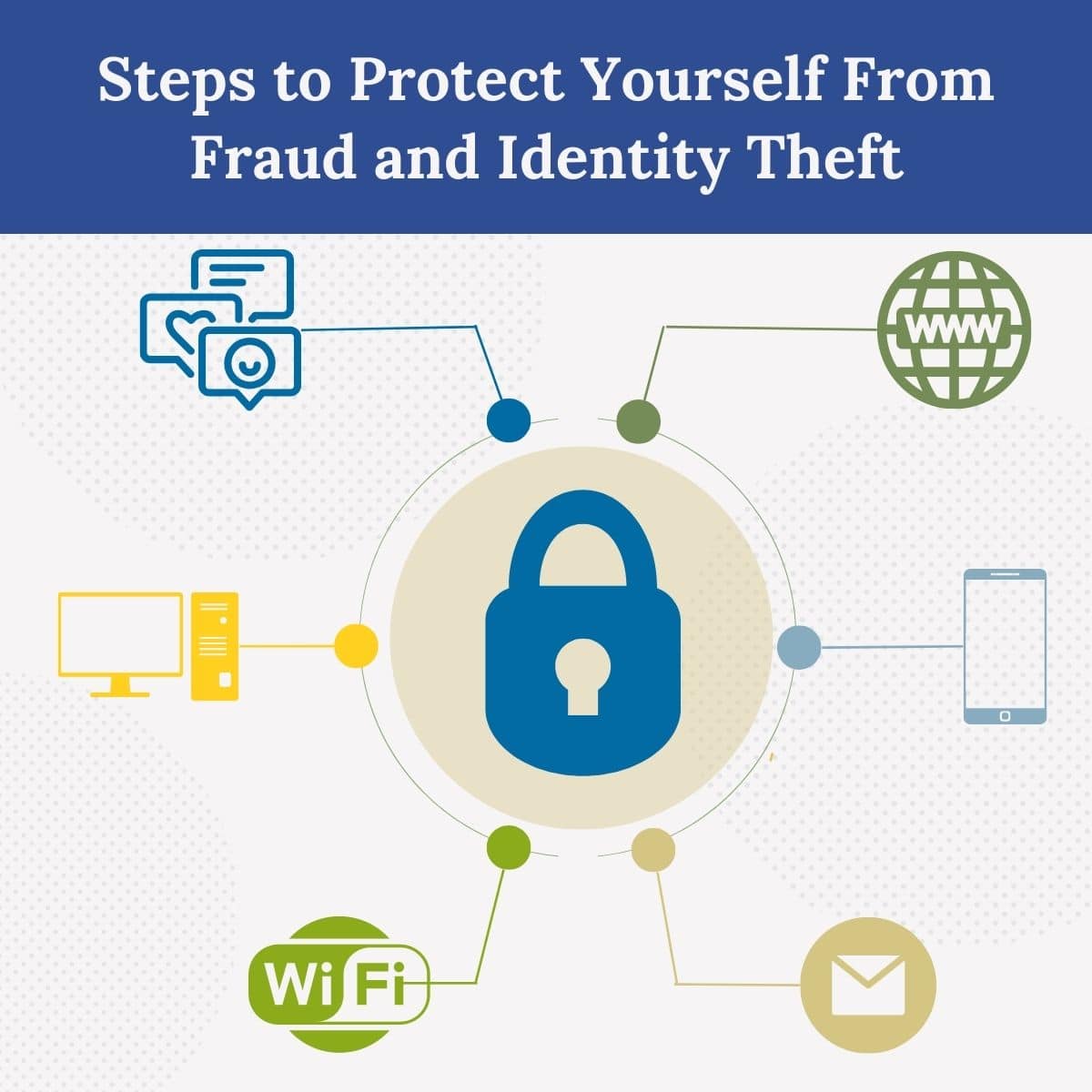
- Use a complex and unique password**: Avoid using easily guessable passwords and keep them confidential.
- Verify websites and links**: Before entering personal or financial information online, ensure you are using a secure website or a legitimate link.
- Monitor accounts and reports**: Regularly check your financial and credit reports for any suspicious activity or unauthorized transactions.
- Enable two-factor authentication (2FA)**: This adds an extra layer of security to your online accounts, making it more challenging for hackers to access your information.
- Keep software and operating systems up-to-date**: Ensure your online environment is protected with the latest security patches and updates.
- Avoid public Wi-Fi**: When accessing sensitive information, use a secure internet connection to prevent unauthorized access.
- Be cautious of phishing and smishing**: Watch out for suspicious emails, SMS, or messages that may trick you into surrendering personal or financial information.
- Limit online sharing**: Only share your personal and financial information with trusted organizations or individuals who require it.
- Set up alerts and notifications**: Configure alerts to notify you of unusual transactions or changes to your financial accounts.
- Consider using a VPN**: Virtual private networks can encrypt your internet traffic and protect your data from potential vulnerabilities.
Additional Precautions to Take
Complementing these tips with regular monitoring of your financial and credit reports, reducing online sharing, and avoiding suspicious interactions can further minimize the risk of financial fraud and identity theft.
Getting Help if You're a Victim
If you suspect that your online financial information has been compromised, act immediately to prevent further damage. Contact your bank's customer support, report suspicious activity to the relevant authorities, and take advantage of resources such as the Identity Protection PIN (IP PIN) offered by the IRS.
Conclusion
Protecting your online financial information requires a proactive and informed approach. By understanding the risks, taking essential precautions, and staying vigilant, you can safeguard your financial stability and maintain peace of mind when navigating the online world.