The Psychology Behind Scrolling Through News: Is It A Productivity Booster or A Source of Distress?
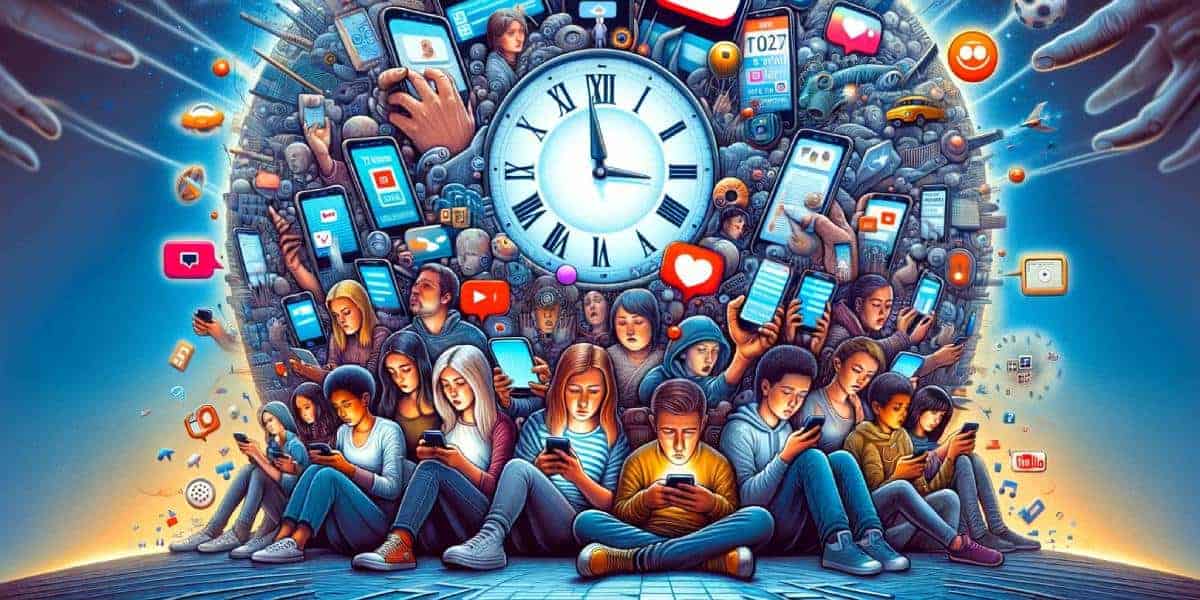
The age of information has brought with it a plethora of ways to stay informed, from social media to news websites and apps. However, one habit that has become increasingly prevalent is scrolling through news, particularly negative news. This phenomenon, known as doomscrolling, has been linked to a range of physical and mental health effects, from anxiety and short attention span to sleep deprivation and decreased productivity.
What is Doomscrolling, and Why Do We Engage in It?
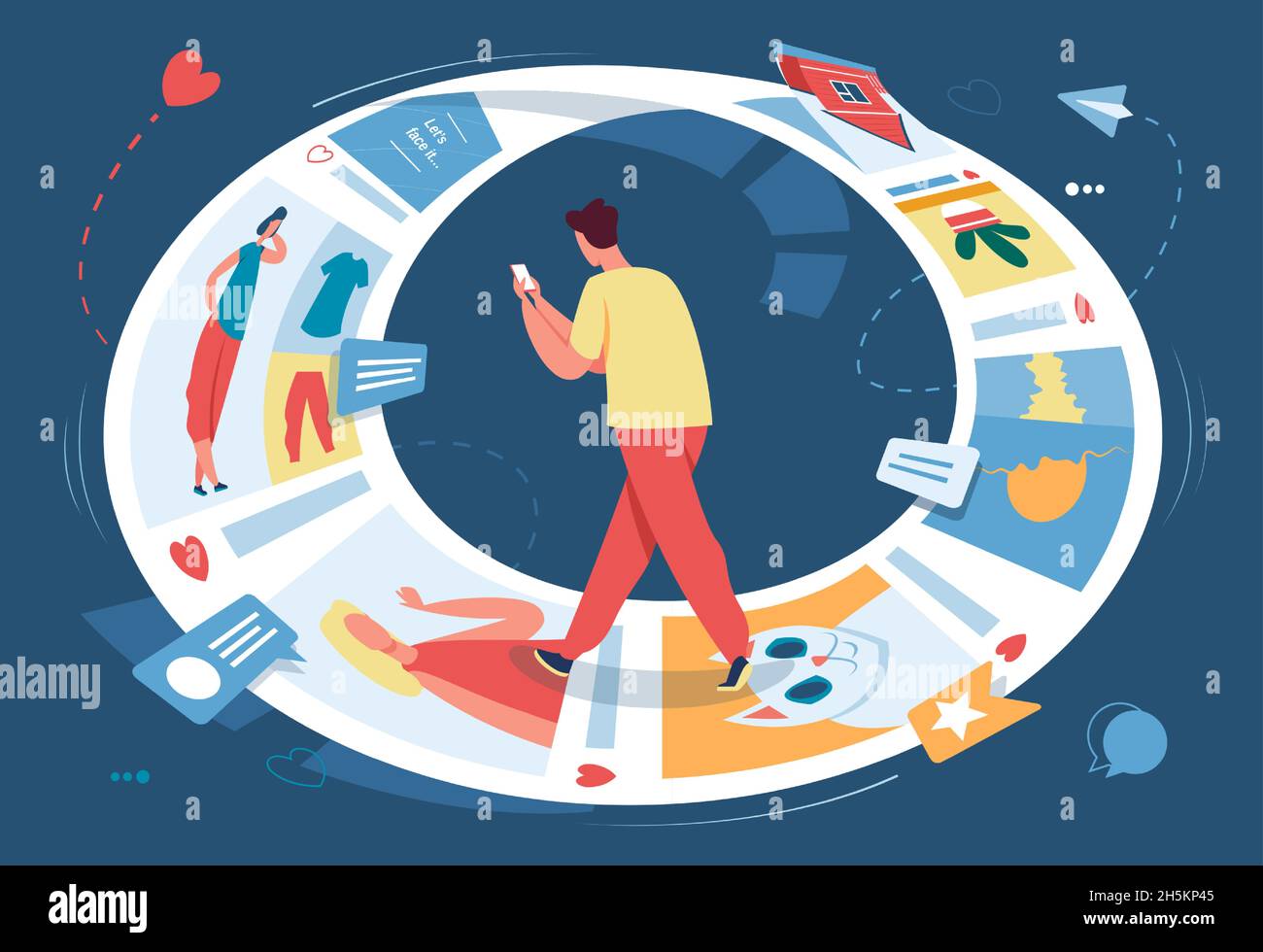
Doomscrolling refers to the act of endlessly scrolling through negative or distressing news on your phone or other devices. This can include news headlines, social media posts, and even online forums. While it may seem like a harmless way to stay informed, doomscrolling can have severe consequences for our mental and physical health.
- Fear of Missing Out (FOMO): Our brains are wired to respond to threats, including perceived threats. When we scroll through news, we may feel a sense of urgency and fear that we'll miss something important.
- Endorphin Rush: Scrolling through news can activate the brain's reward system, releasing feel-good hormones like endorphins. However, this can lead to addiction and a sense of dependence on the constant flow of information.
- Curiosity: Humans are naturally curious creatures, and scrolling through news can satisfy our curiosity and provide a sense of intrigue.
Consequences of Doomscrolling
The consequences of doomscrolling are numerous and can have a significant impact on our daily lives. These include:

- Mental Health: Doomscrolling has been linked to increased stress, anxiety, and depression. This can lead to burnout, decreased productivity, and a general sense of malaise.
- Sleep Deprivation: Engaging in doomscrolling before bed can disrupt sleep patterns, leading to fatigue, mood swings, and a weakened immune system.
- Decreased Productivity: Doomscrolling can be a significant productivity killer, as it can consume hours of our time and distract us from more important tasks and activities.
- Negative Comparison: Scrolling through news can lead to negative comparison and envy, particularly on social media. This can erode self-esteem and contribute to feelings of inadequacy.
Breaking the Cycle of Doomscrolling
To break the cycle of doomscrolling, we need to develop healthier habits and routines. Here are some tips:
- Set Boundaries: Establish clear boundaries around your screen time and news consumption. Set aside specific times to check the news and stick to it.
- Practice Mindfulness: Be present in the moment and focus on the task at hand. Avoid mindlessly scrolling through news and social media.
- Find Alternatives: Engage in other activities that stimulate your mind and provide a sense of fulfillment, such as reading, exercise, or creative pursuits.
- Seek Support: Share your struggles with a friend or family member and ask for their support. Consider joining a support group or seeking professional help if needed.
Conclusion
Scrolling through news can be a complex and multifaceted issue, driven by a range of psychological factors. While it may seem like a harmless way to stay informed, doomscrolling can have severe consequences for our mental and physical health. By setting boundaries, practicing mindfulness, finding alternatives, and seeking support, we can break the cycle of doomscrolling and develop healthier habits and routines.