Preventing Information Theft: A Guide to Safeguarding Your Valuable Assets
Information theft, also known as data theft, is a growing concern for individuals and businesses alike. With the increasing reliance on digital technology, the risk of sensitive information falling into the wrong hands has never been higher.
What is Information Theft?
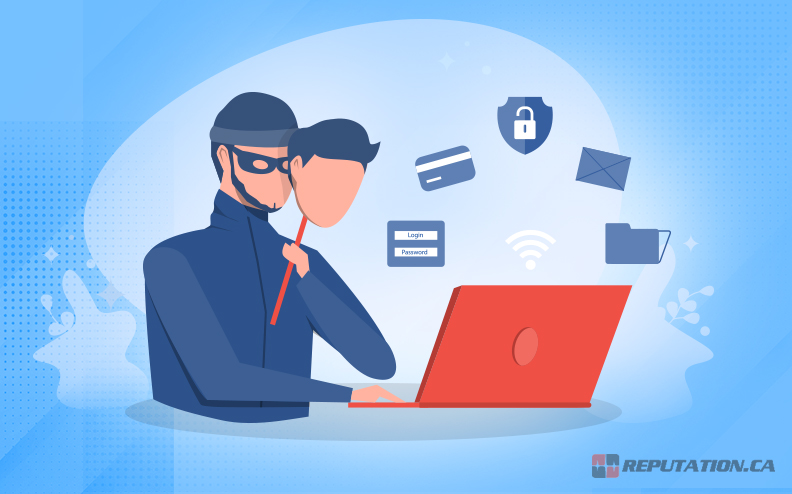
Information theft refers to the unauthorized access, disclosure, or theft of sensitive information, including personal data, financial information, and business secrets. This can be committed by individuals, groups, or even organizations, with the intention of causing harm, financial gain, or distortion of facts.
Why is Information Theft a Concern?
Theft of sensitive information can lead to a range of serious consequences, including:
- Financial losses: Identity theft, for example, can result in unauthorized transactions, account takeovers, and loan applications.
- Reputational damage: Leaked business secrets or compromised information can harm your professional reputation and erode trust.
- Operational disruption: A data breach can lead to system downtime, data corruption, and business disruption.
- Compliance issues: Organizations failing to protect sensitive information may face regulatory penalties, fines, and legal action.
Preventing Information Theft – A Proactive Approach

While it's impossible to completely eliminate the risk of information theft, taking proactive measures can significantly reduce the likelihood of sensitive data falling into the wrong hands.
7 Tips to Prevent Information Theft
Proofpoint experts recommend the following strategies to prevent information theft and improve data security:
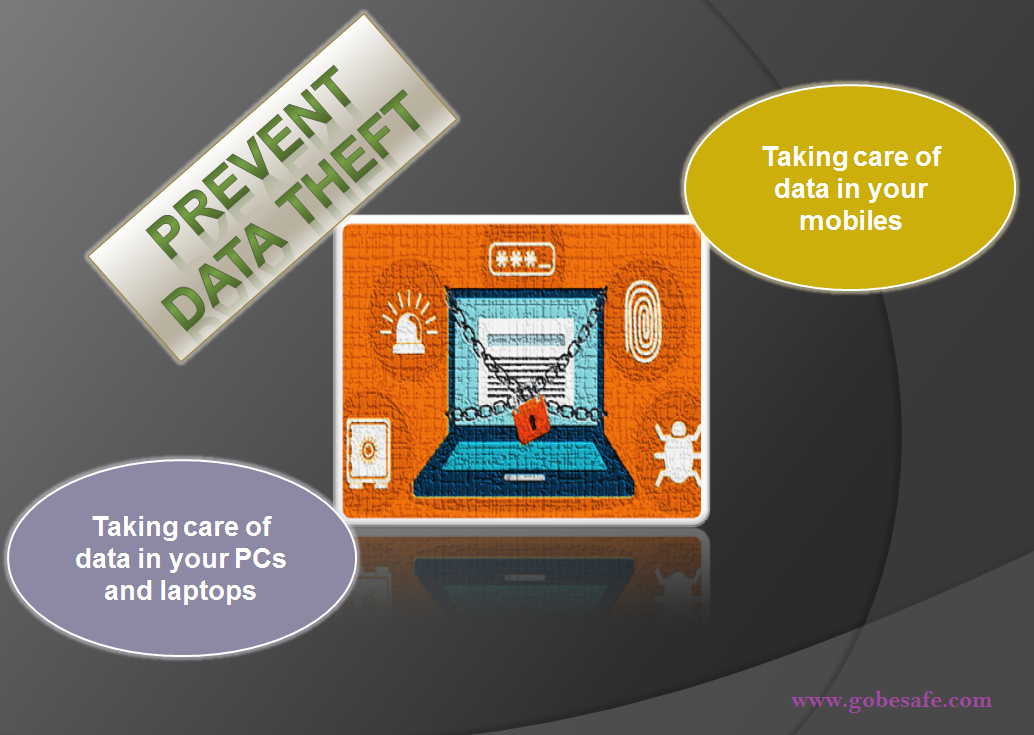
- Implement robust security protocols**: Use firewalls, access controls, and encryption to safeguard sensitive data.
- Choose strong passwords**: Utilize complex passwords, multi-factor authentication, and regular password updates.
- Monitor for suspicious activity**: Regularly review system logs and detect anomalies in real-time.
- Use secure communication channels**: Encrypt emails, phone calls, and messaging apps to prevent interception.
- Keep your systems and software up-to-date**: Regularly patch and update software to prevent vulnerability exploitation.
- Educate employees**: Train staff on data protection best practices, phishing recognition, and incident response.
- Develop a disaster recovery plan**: Establish procedures for responding to data breaches and business continuity.
Conclusion
Information theft can have far-reaching consequences for individuals and businesses. By understanding the risks and implementing proactive measures, you can protect your valuable assets from unauthorized access or theft. Whether it's identity theft, medical information theft, or business identity theft, being aware of the signs and taking preventative action is crucial to safeguarding your sensitive information.