Setting Up a Small Business: A Guide to the Requirements
Starting a small business can be an exciting venture, but it requires careful planning and attention to detail. From choosing the right business structure to securing necessary licenses and permits, there are many requirements to consider when setting up a small business. In this article, we'll outline the key requirements you'll need to meet to get your business off the ground.
Gathering Essential Documents
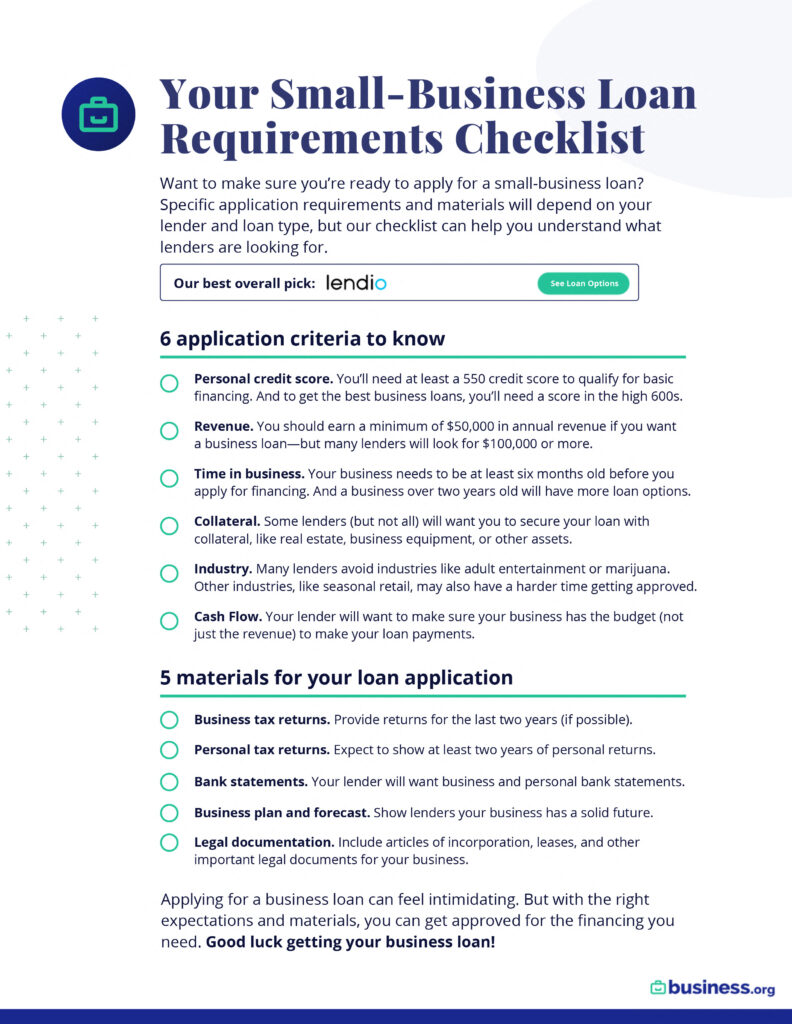
Before you can begin the process of setting up your business, you'll need to gather certain documents. These may include:
- Identification documents for business owners and partners, such as driver's licenses or passports
- Business plan and business model
- Articles of incorporation or partnership agreement
- DBA (Doing Business As) registration, if applicable
Choose a Business Structure
The business structure you choose will depend on your specific needs and goals. Some common options include:
1. Sole Proprietorship
A sole proprietorship is the simplest and most common business structure. As a sole proprietor, you'll own and operate the business, and will be personally liable for its debt and obligations.

2. Partnership
A partnership involves two or more individuals who jointly own and operate the business. Partners share profits and losses equally, and each partner has a say in the business's decision-making process.
3. Limited Liability Company (LLC)
An LLC is a hybrid business structure that combines the liability protection of a corporation with the pass-through taxation of a partnership. An LLC provides personal liability protection for its owners, known as members.
4. Corporation
A corporation is a separate entity from its owners, who are known as shareholders. A corporation can issue stocks and bonds to raise capital and has a more formal structure than an LLC.
Once you've chosen a business structure, you'll need to register your business with the state and obtain necessary licenses and permits. This typically involves:
- Obtaining a Federal Tax ID Number (FTIN) from the IRS
- Registering with the state and obtaining a state tax ID number
- Obtaining necessary licenses and permits, such as a business license or sales tax permit
- Registering for unemployment insurance and workers' compensation, if applicable
Open a Business Bank Account
Opening a business bank account will help you manage your business's finances, accept payments, and pay bills. This typically involves:
- Applying for a business checking account at a bank
- Providing necessary documentation, such as the business's EIN and articles of incorporation
Obtain Necessary Licenses and Permits
Depending on the nature of your business, you may need to obtain additional licenses and permits. These may include:
- Trade licenses, such as a hairdresser or contractor's license
- Food service permits, if you plan to open a restaurant or food business
- Environmental permits, if your business handles hazardous materials or has environmental impacts
- Fire department permits, if your business involves working with fire or flammable materials
Comply with Tax Requirements
As a small business owner, you'll need to comply with federal, state, and local tax requirements. This may involve:
- Filing for a sales tax permit, if you'll be selling products or services subject to sales tax
- Filing a use tax return, if you'll be using goods or services subject to sales tax
- Reporting employee wages and withholding taxes
- Complying with state and local tax laws, such as franchise taxes or property taxes
Plan for Insurance and Benefits
As a business owner, you'll need to consider insurance and benefits for your business. This may include:
- Liability insurance, to protect yourself and your business from lawsuits
- Property insurance, to protect your business's assets
- Business interruption insurance, to protect your business in case of unexpected events
- Workers' compensation insurance, to protect employees from workplace injuries
Seek Professional Advice
Starting a small business can be complex, and it's a good idea to seek professional advice from a lawyer, accountant, or business advisor. They can help you navigate the requirements for setting up a small business and ensure you're in compliance with all relevant laws and regulations.