Reasons to Limit Screen Time for Kids: A Guide for Parents
As a parent, it's natural to worry about the impact of screen time on your child's physical and mental health. With the rise of digital devices and the increasing availability of online content, it's easy to get caught up in the idea that more screen time is better. However, research suggests that excessive screen time can have negative effects on children's development, behavior, and overall well-being. In this article, we'll explore the reasons to limit screen time for kids and provide tips for parents to establish healthy screen time habits.
Benefits of Limiting Screen Time
Limiting screen time has numerous benefits for children, including:
- Improved grades: Excessive screen time has been linked to lower academic performance and decreased attention span.
- Better mood: Reducing screen time can lead to improved mood and reduced stress levels in children.
- Reduced aggression: Excessive screen time has been linked to increased aggression and behavioral problems in children.
- Better sleep: Limiting screen time before bed can improve sleep quality and duration in children.
- Increased physical activity: Reducing screen time can encourage children to engage in physical activities, such as sports, dance, or simply playing outside.
- Developing interests and skills: By limiting screen time, children are more likely to explore other interests and develop new skills, such as reading, drawing, or playing musical instruments.
Why is Screen Time a Concern for Children?
Excessive screen time can have a range of negative effects on children, including:
- Obesity: Spending too much time in front of screens can lead to a sedentary lifestyle, increasing the risk of obesity and related health problems.
- Eye strain and vision problems: Prolonged screen time can cause eye strain and increase the risk of myopia (nearsightedness) and other vision problems.
- Social isolation: Excessive screen time can lead to social isolation, decreased social skills, and difficulty interacting with others.
- Addiction: Screen time can be addictive, leading to a range of negative effects, including decreased attention span, increased anxiety, and decreased self-esteem.
Setting Screen Time Limits for Children
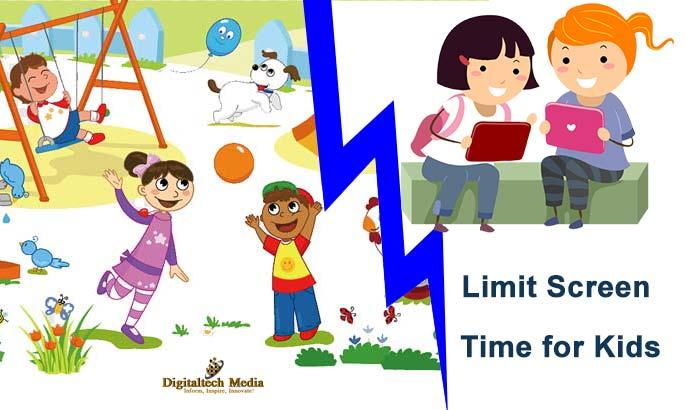
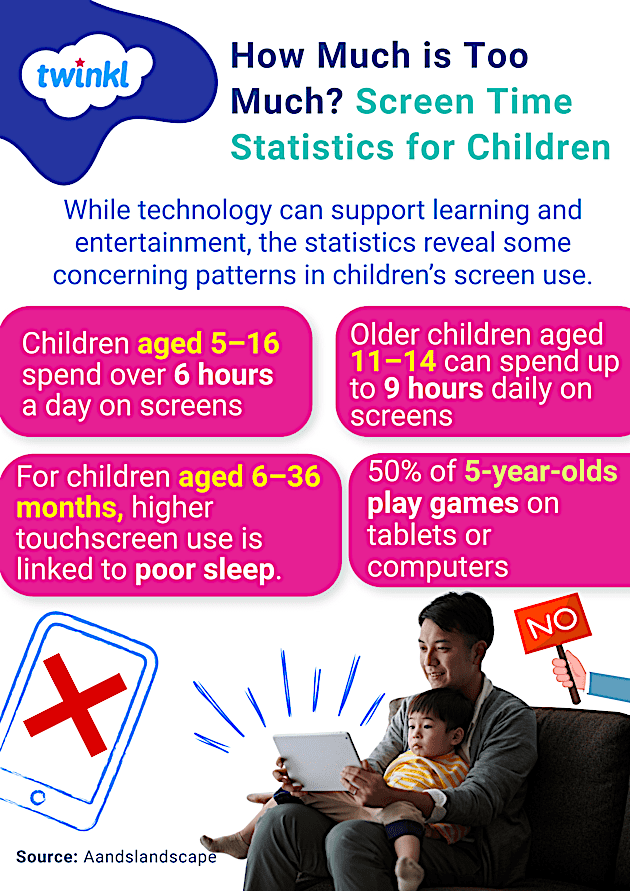
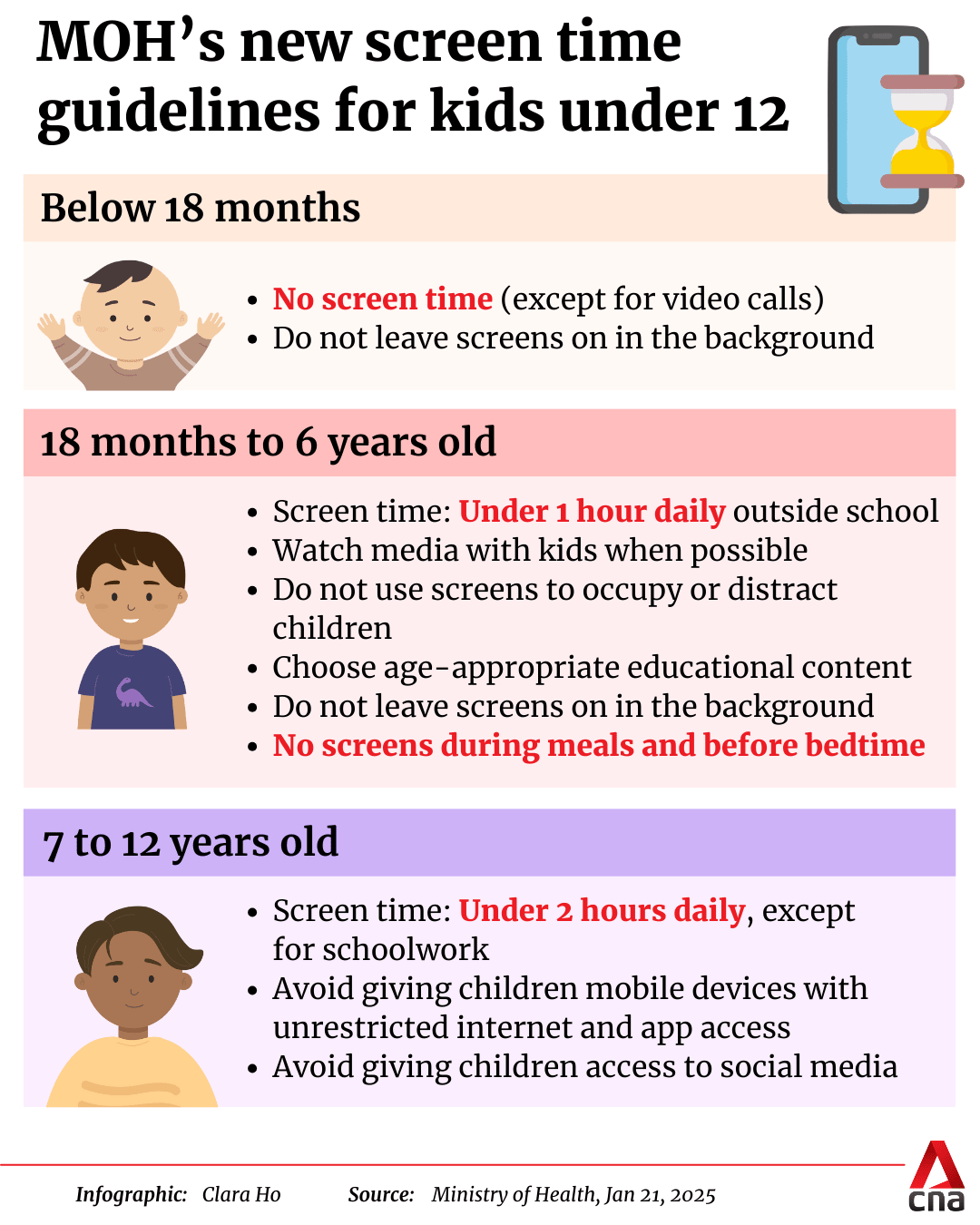
So, how much screen time is too much for kids? The American Academy of Pediatrics (AAP) recommends the following screen time limits for children:
- Children under 18 months: No screen time except for video chatting with a parent or caregiver.
- Children 18-24 months: Some high-quality educational programming with a caregiver.
- Children 2-5 years: Limit non-educational screen time to 1 hour per weekday and 3 hours on weekend days.
- Children 6 and older: Place consistent limits on screen time, making sure it doesn't interfere with sleep, physical activity, or other important behaviors.
Tips for Parents to Limit Screen Time
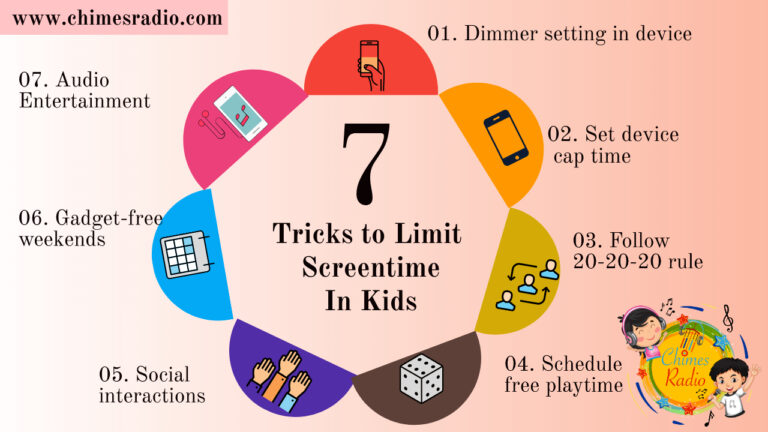
Establishing healthy screen time habits can be challenging, but with these tips, you can help your child develop a balanced relationship with screens:
- Set a good example: Model healthy screen use habits yourself, as children learn from what they see.
- Create a screen-free zone: Designate a screen-free zone in your home, such as the dinner table or living room.
- Encourage physical activity: Engage your child in physical activities, such as sports, dance, or simply playing outside.
- Offer alternative activities: Provide your child with alternative activities, such as reading, drawing, or playing musical instruments.
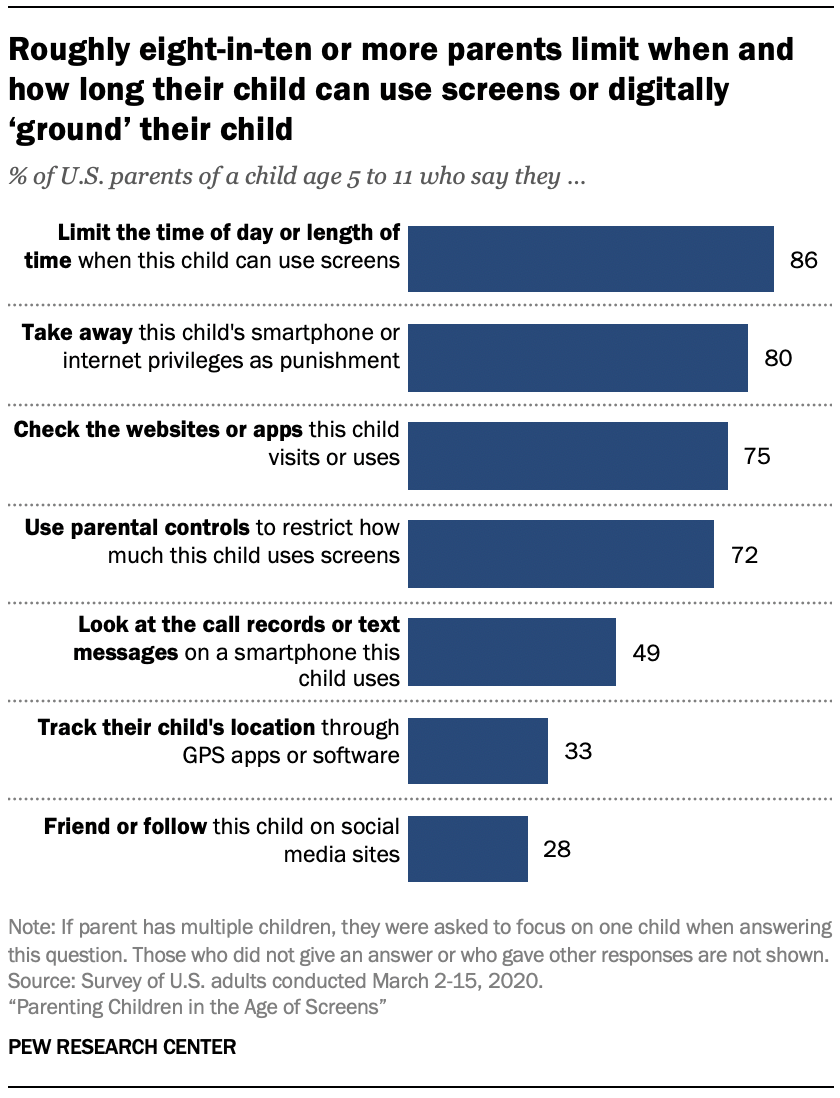
- Monitor screen time: Use parental controls or apps to monitor your child's screen time and set limits.
- Have open discussions: Talk to your child about the importance of screen time limits and the benefits of a balanced lifestyle.
Conclusion
Limiting screen time is essential for children's physical and mental health, social development, and overall well-being. By setting screen time limits and establishing healthy screen use habits, parents can help their children develop a balanced relationship with screens and reduce the risk of negative effects. Remember, it's not about completely eliminating screens from your child's life, but about finding a balance that promotes healthy development and a happy, healthy childhood.