Preventing Phone-Enforced Phubbing: Strategies for a Healthier Relationship
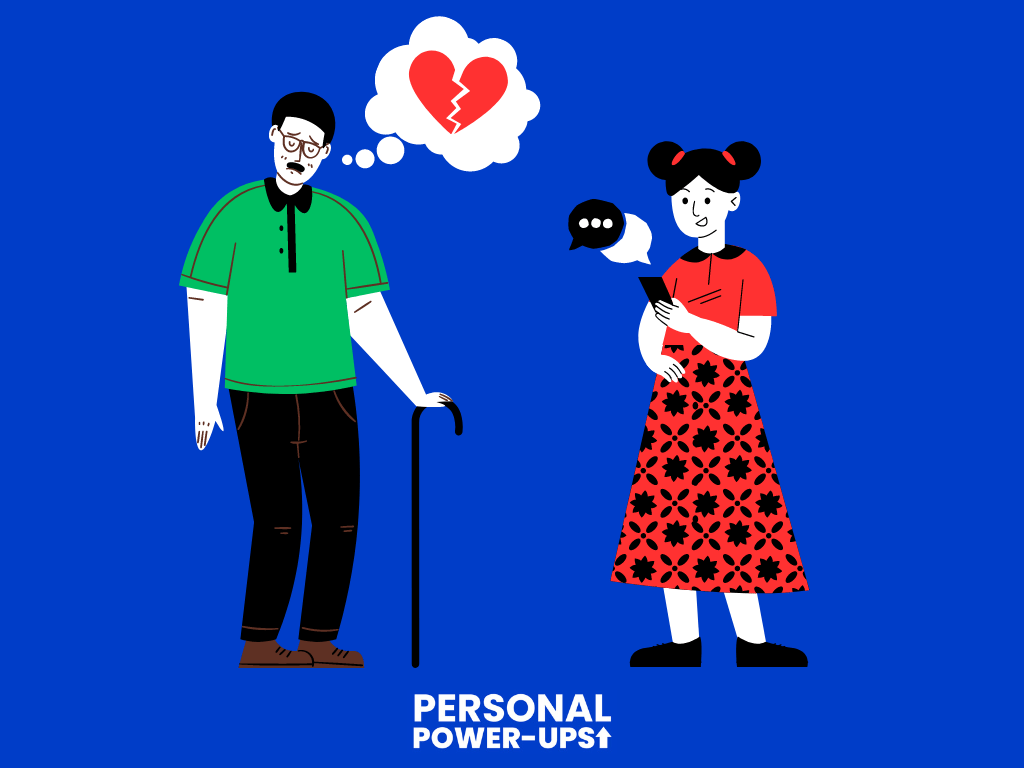
Phubbing, the act of snubbing someone in favor of your phone, has become a pervasive issue in modern relationships. It's a behavior that can lead to feelings of resentment, distrust, and even emotional disconnection. However, with conscious effort and open communication, it's possible to prevent phone-enforced phubbing and cultivate a healthier relationship.
Understanding Phubbing
Phubbing is not just a harmless habit; it's a behavior that can have significant consequences on relationships, mental health, and personal connections. It's a habit that creeps into everyday moments, making it difficult to maintain genuine interactions with our loved ones.
Signs of Phubbing
- Interrupting conversations to take a phone call or text
- Scrolling through social media while engaging with others
- Turning to your phone to escape an argument or disagreement
- Ignoring your partner or child in favor of phone usage
Consequences of Phubbing
Phubbing can lead to a range of negative consequences, including:
- Strained relationships
- Decreased emotional intimacy
- Increased feelings of resentment and distrust
- Poor communication skills
- Emotional disconnection

Strategies for Preventing Phone-Enforced Phubbing
Preventing phone-enforced phubbing requires conscious effort and commitment. Here are some strategies to help you prevent this behavior and cultivate a healthier relationship:
- Set clear boundaries: Establish phone-free zones or times, such as during meals or before bedtime, to encourage uninterrupted interactions.
- Practice mindful phone use: Be fully present during interactions with your partner or child, and recognize when your phone is pulling your attention away.
- Engage in active listening: Make an effort to listen attentively to your partner or child, and avoid distractions like phone use.
- Schedule phone-free time: Set aside time each day to disconnect from your phone and engage in face-to-face interactions.
- Communicate openly: Share your needs and expectations regarding phone use with your partner or child, and work together to find solutions.
Conclusion
Preventing phone-enforced phubbing requires a willingness to change habits and priorities. By setting clear boundaries, practicing mindful phone use, engaging in active listening, scheduling phone-free time, and communicating openly, you can cultivate a healthier relationship and strengthen your connections with loved ones.
Final Thoughts
Phubbing may seem like a harmless habit, but its consequences can be severe. By being aware of the signs of phubbing and taking proactive steps to prevent it, you can nurture a more empathetic, attentive, and emotionally intelligent relationship.