Preventing Identity Theft Through Credit Cards: A Comprehensive Guide
The rapid digitalization of our lives has led to an exponential increase in identity theft and credit card fraud. With weakened boundaries between the physical and digital worlds, credit cards have become lucrative targets for identity thieves, offering easy access to sensitive information and financial resources. In this article, we will delve into the importance of preventing identity theft through credit cards and provide you with actionable tips to shield yourself and your finances from these threats.
Understanding the Risks of Credit Card Identity Theft
Credit card identity theft encompasses a broad spectrum of illicit activities, including phishing attacks, data breaches, and account takeovers. These malicious tactics allow thieves to exploit your personal identity to gather unauthorized credit, financial information, and personal data.
Types of Credit Card Fraud
- Account Takeover: Hackers gain control of a legitimate credit card account, enabling unauthorized transactions and modifications to account information.
- Card-Not-Present (CNnP) Fraud: Crooks use stolen credit card information or card details obtained through phishing or data breaches to make online purchases.
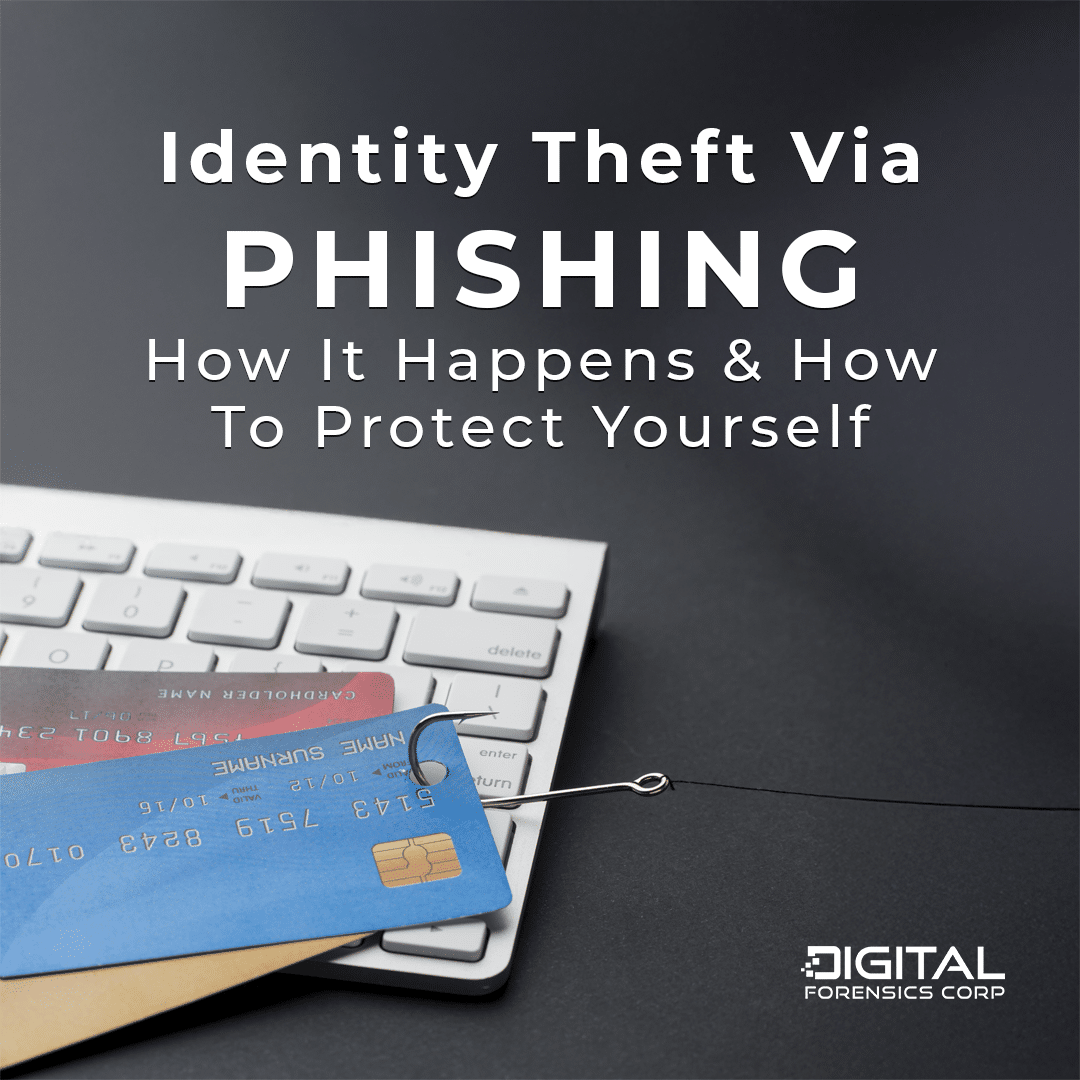
- Phishing Attacks: Thieves deceive unsuspecting individuals into providing sensitive information through deceptive websites, emails, text messages, or phone calls.
Identifying Signs of Credit Card Identity Theft
Early detection is crucial in preventing long-term financial damage. Be cautious of the following indicators:
- Unexplained credit score fluctuations
- Missing payments or late fees
- Unauthorized transactions on your account
- Received collections calls for debt you do not owe
- Inaccurate credit reports
Protecting Your Credit and Credit Cards
Regular Credit Card Monitoring
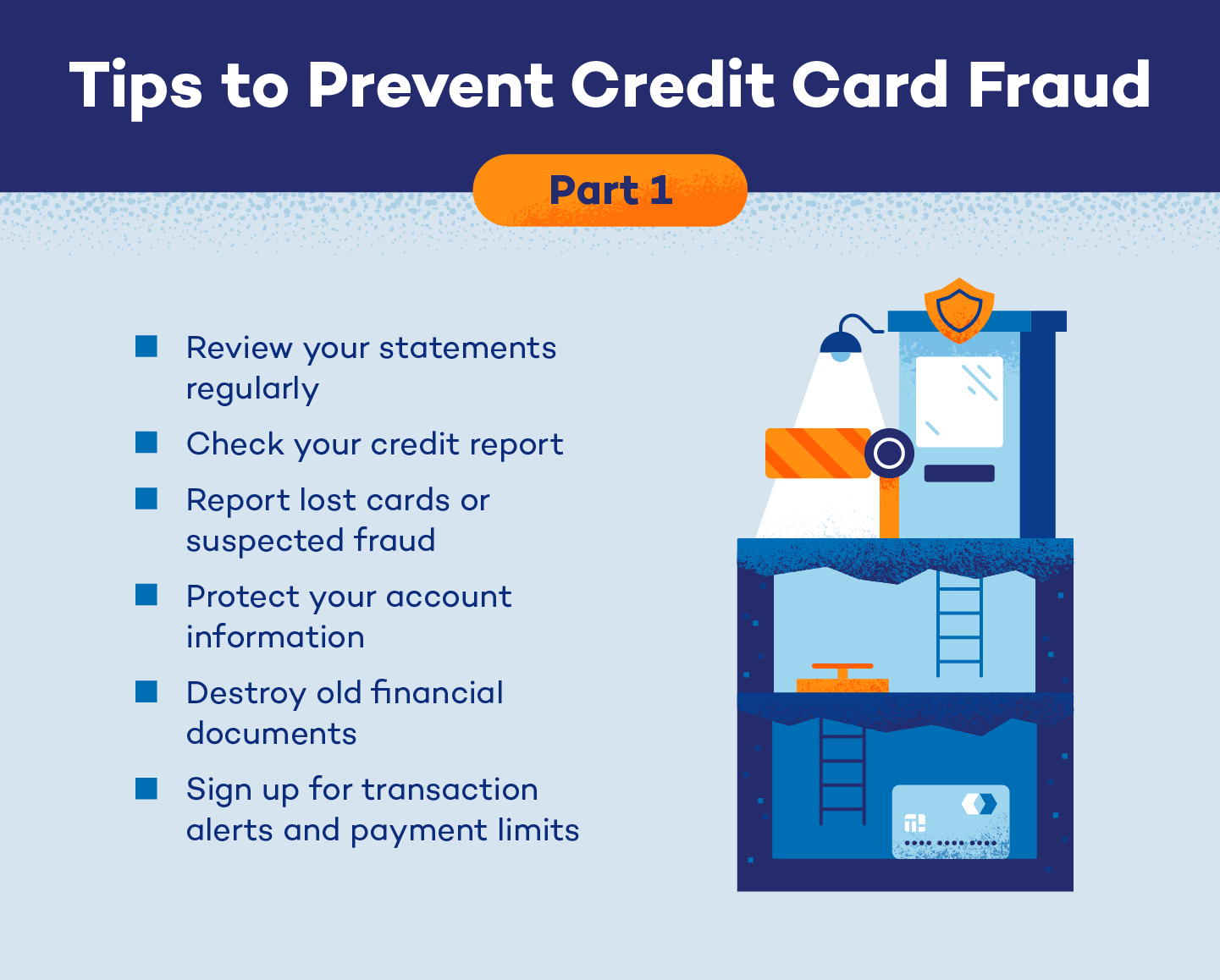
Keep a close eye on your credit card statements and credit report. Immediately report any discrepancies or unusual activity to your bank or credit card issuer and dispute any false charges.
Setting Up Credit Card Alerts
Enabling credit card alerts can notify you of any suspicious transactions. Many credit cards provide mobile apps for real-time updates and fraud alerts.
Choosing the Right Credit Card

Opt for credit cards equipped with robust security features, such as:
- Zero-liability protection
- EMV chip technology
- Smart chip technology
- Two-factor authentication for online transactions
Preventing Credit Card Identity Theft
Information Security Strategies
Protect your personal and credit card information by:
- Using unique, complex passwords and two-factor authentication
- Refusing to share financial information or sensitive data with strangers
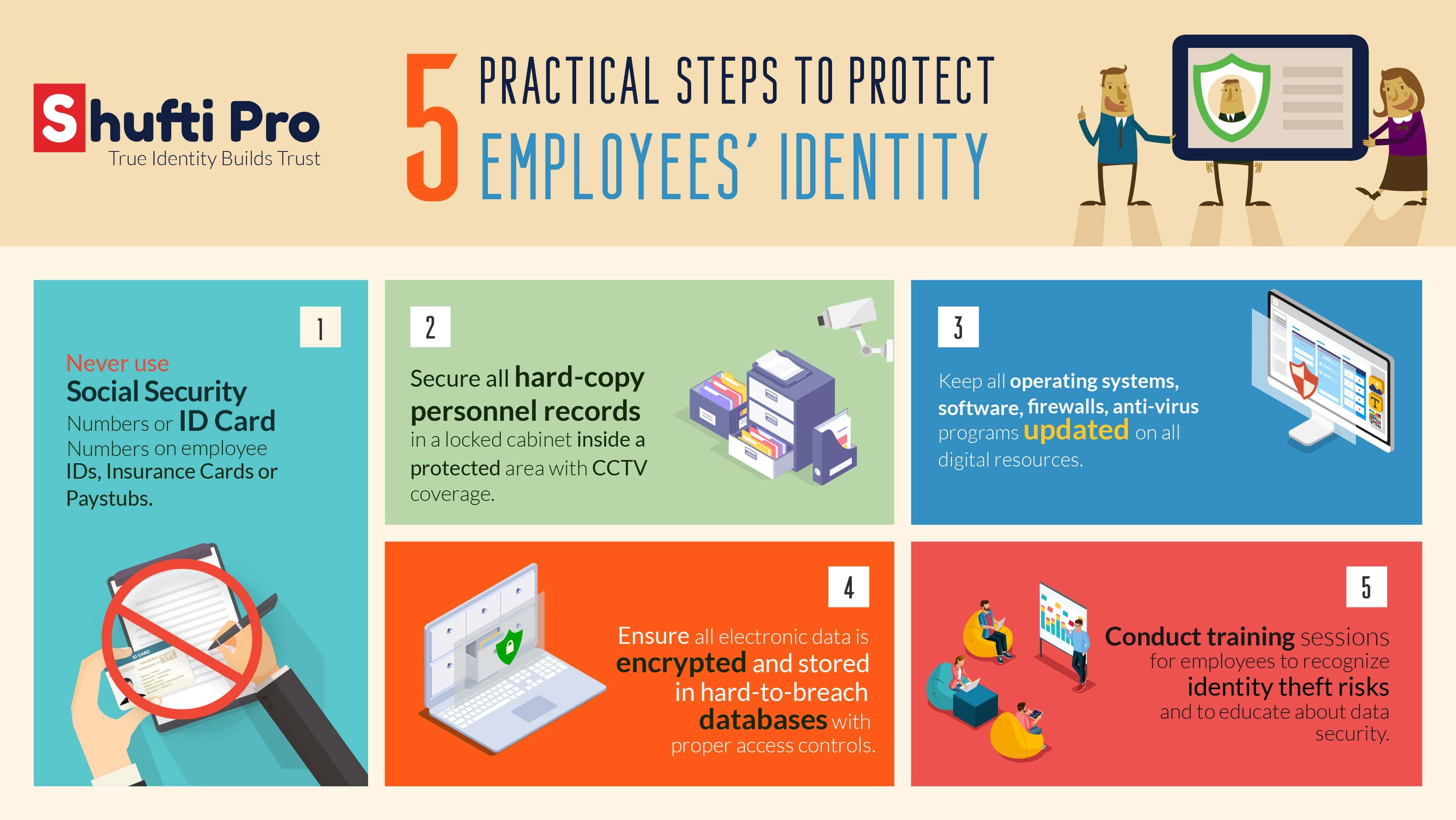
- Regularly updating operating system, browsers, and security software
- Protecting online accounts with robust security features, such as multi-factor authentication
Responsibility for Credit Card Identity Theft Prevention
Businesses, financial institutions, and governments must equally contribute to preventing credit card identity theft. They must develop and implement stronger security measures, data breach notification systems, and robust methods for sharing account information with law enforcement agencies.
Conclusion
Preventing credit card identity theft is a collective responsibility that demands vigilance and informed decision-making on the part of individuals, businesses, and governments. By understanding the risks, identifying signs of identity theft, and implementing essential security measures, we can safeguard our credit, prevent financial harm, and protect ourselves and our families from these malicious threats.
Recommended Further Reading:
Explore the official government website for identity theft victims, IdentityTheft.gov, and learn about free identity restoration services and comprehensive support for victims of identity theft.
Recommended Tools and Resources:
Discover reliable tools and services that help safeguard financial information, protect identity, and recover from identity theft, such as reputable identity theft protection plans, free credit monitoring services, and state-specific guides for preventing identity theft.