Breaking Free from the Cycle of Constant Distraction Online
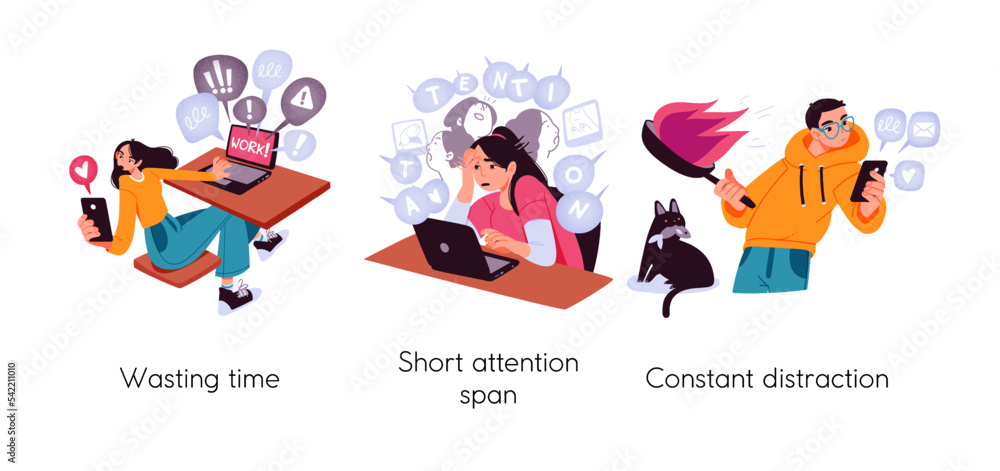
In today's fast-paced, technology-driven world, it's easier than ever to get sidetracked by the constant stream of information at our fingertips. With the rise of social media, email, and online notifications, staying focused can feel like an uphill battle. However, constant distraction online can have serious consequences, from reduced productivity to negatively impacting mental well-being.
Understanding the Impact of Constant Distraction Online
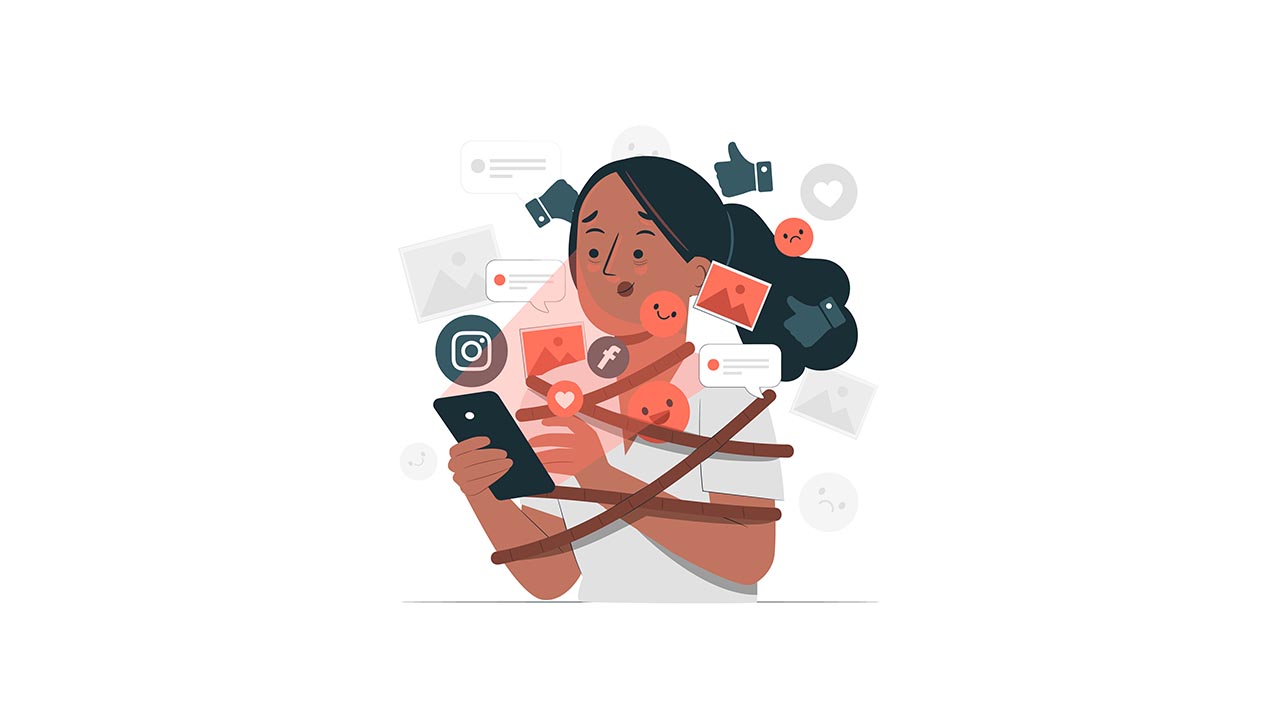
Constant distraction can steal valuable time, undermine our ability to focus, and even affect our physical and mental health. Research has shown that exposure to non-stop digital information can lead to stress, anxiety, and decreased cognitive performance. Additionally, the constant ping of notifications, emails, and social media updates can activate the brain's reward centers, releasing feel-good chemicals that can create a vicious cycle of craving and distraction.
Why We're So Prone to Distraction
Digital technologies are designed to be engaging and addictive, using techniques such as variable rewards and social validation to capture our attention.
Constant connectivity and instant access to information can lead to FOMO (fear of missing out), making us feel a strong urge to constantly check our devices.
The constant stream of information can create a sense of overwhelm, making it difficult to focus on a single task.
Strategies to Overcome Constant Distraction Online
Fortunately, there are several strategies that can help you break the cycle of constant distraction online:

Implementing digital boundaries: Set specific times for checking email, social media, and other online platforms, and stick to it.
Utilizing technology to your advantage: Use tools and apps that help you stay focused, such as website blockers, productivity apps, and noise-cancelling headphones.
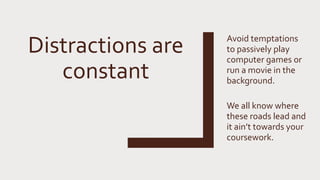
Creating a distraction-free environment: Remove distractions from your workspace, turn off notifications, and find a quiet space to focus.
Prioritizing self-care: Regular exercise, meditation, and mindfulness practices can help improve focus and reduce stress.
Setting realistic goals and deadlines: Break down large tasks into smaller, manageable chunks, and set achievable deadlines to stay on track.
Key Takeaways
Constant distraction online can have serious consequences for our productivity, mental health, and well-being.
Digital technologies are designed to be engaging and addictive, making it essential to be aware of their impact on our lives.
Implementing digital boundaries, using technology to your advantage, and creating a distraction-free environment can help you stay focused and productive online.
Conclusion
Breaking free from the cycle of constant distraction online requires a combination of awareness, self-awareness, and the right strategies. By understanding the impact of constant distraction, recognizing the potential pitfalls, and implementing practical solutions, you can regain control over your online presence and maintain a healthy work-life balance.
References
Donrtre, M. (2020). The Impact of Constant Distraction on Cognitive Performance.
Roda, A. (2010). The Role of Selective Attention in Maintaining Focus Amidst a World of Constant Distraction.