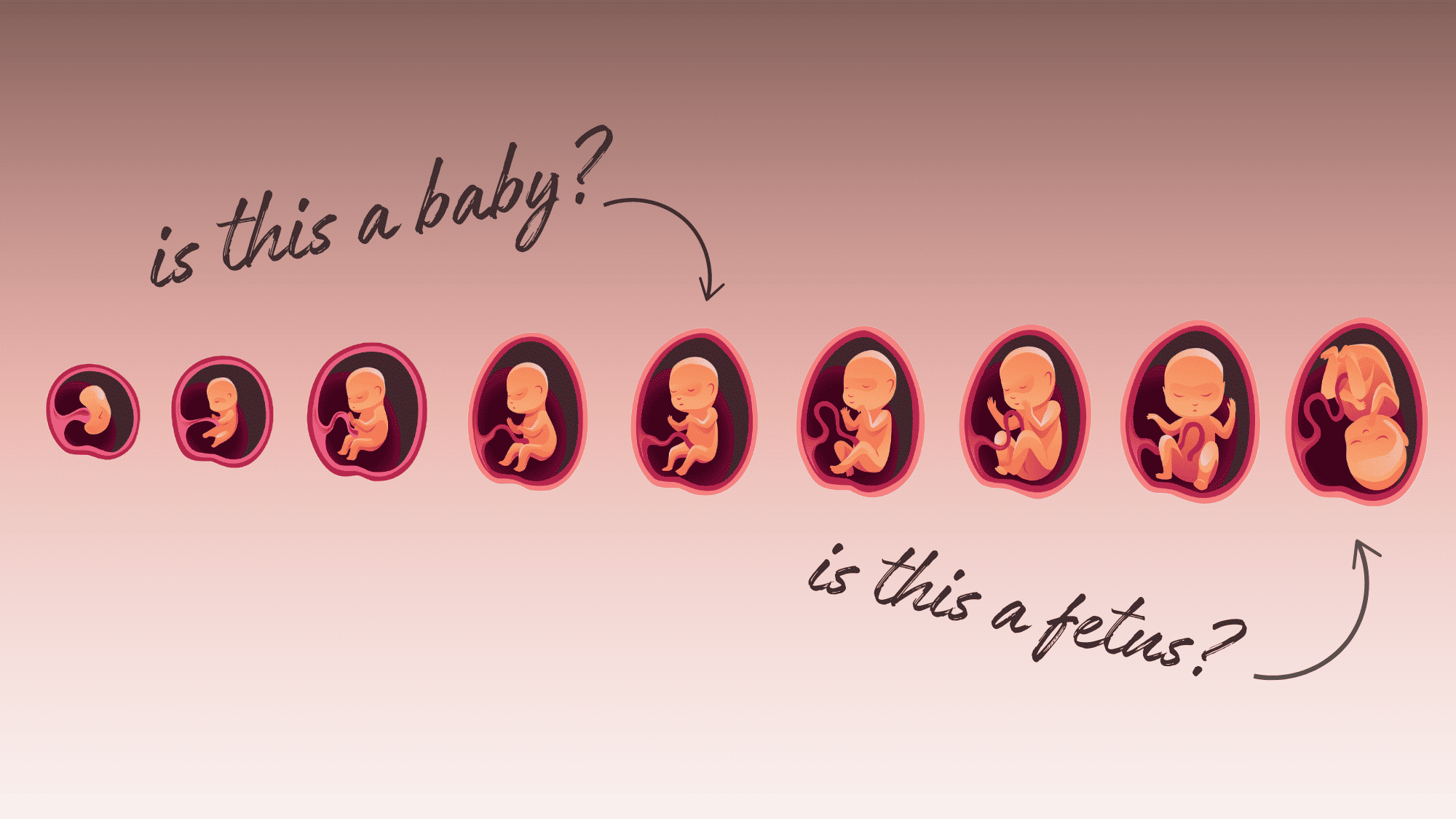
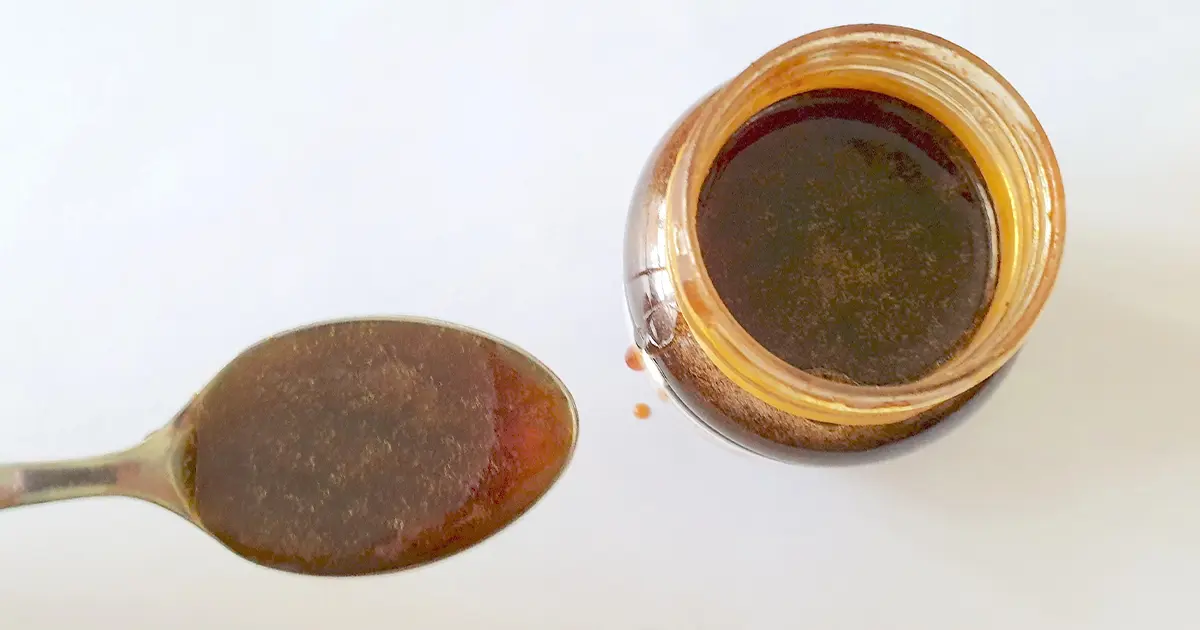
The Effects of Honey on Unborn Babies: What You Need to Know
Honey is a natural sweetener that is prized for its nutritional benefits and unique flavor profile. However, when it comes to babies, honey is a contraindicated food that should be avoided until they reach a certain age. In this article, we will explore the effects of honey on unborn babies and what you need to know to ensure their safety.
Is Honey Safe for Pregnant Women and Their Unborn Babies?
The short answer is yes, honey is safe for pregnant women to consume during pregnancy. As long as you choose pasteurized honey, the harmful bacterium Clostridium botulinum does not pose a threat to the mother or the unborn child. The adult gastrointestinal system has bacteria that protect against botulism, and the molecular weight of the toxin makes it unlikely to cross the placenta.
The Risks of Honey on Unborn Babies
Even though honey is safe for pregnant women, the story is different for babies. Babies under 12 months old should not be given honey because it can contain spores of the bacteria Clostridium botulinum, which can cause infant botulism. Infant botulism is a rare but potentially fatal condition that can cause muscle weakness, poor sucking, a weak cry, constipation, and decreased muscle tone (floppiness).
Why is Honey Bad for Babies?
Honey can contain spores of the bacteria Clostridium botulinum, which can germinate in a baby's immature digestive system and cause infant botulism. The risk of botulism is highest in babies under 6 months old, as their digestive system is still developing and cannot fight off the bacteria. This is why pediatricians advise against giving honey to babies until they are at least 12 months old.
How to Prevent Infant Botulism
Parents can help prevent infant botulism by avoiding giving honey to their baby until they are at least 12 months old. Additionally, if you plan to introduce honey to your baby's diet, do it in small amounts and monitor their reaction closely. If your baby has been given honey or eaten something with honey in it, keep an eye out for any symptoms of botulism over the next 30 days.
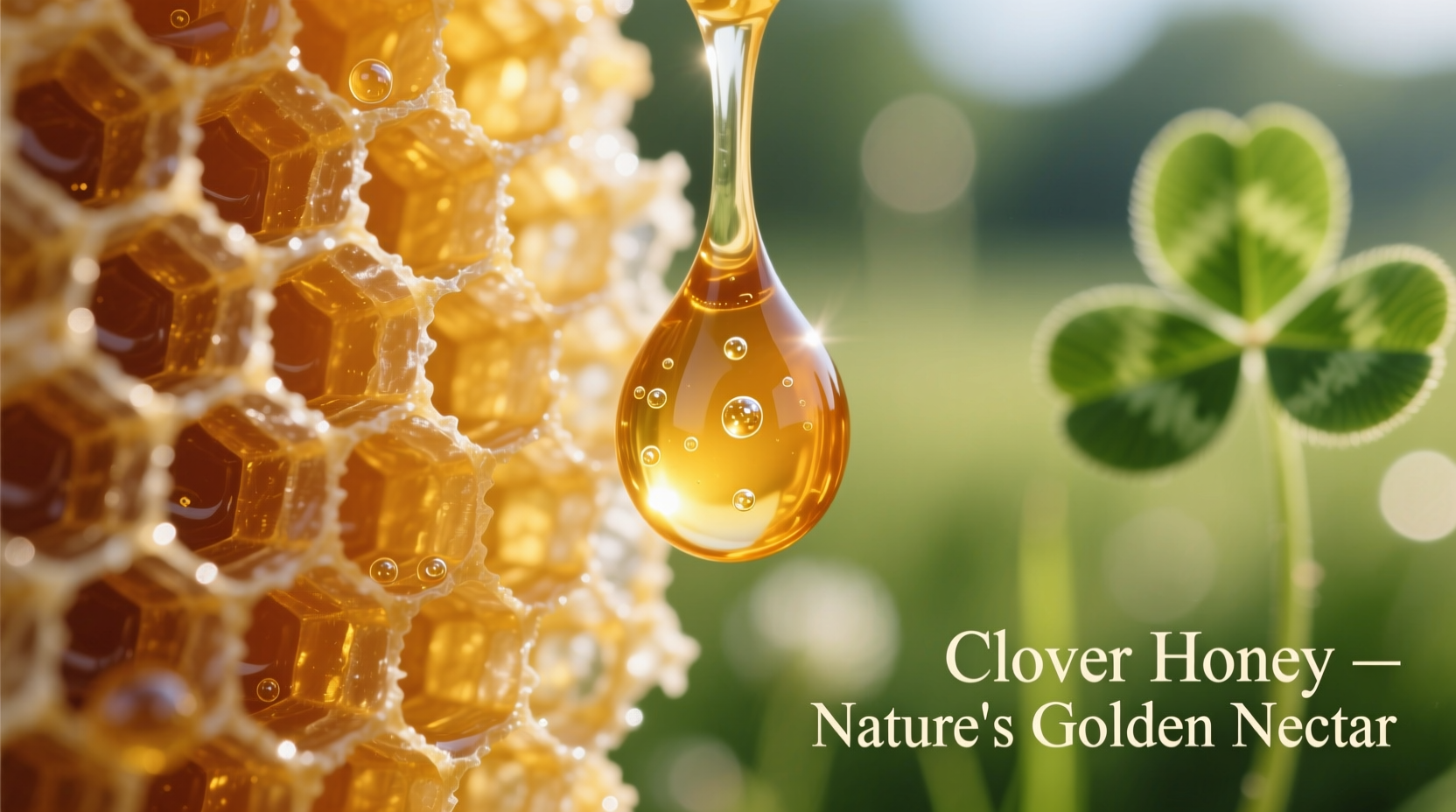
When Can Babies Have Honey?
So, when can babies have honey? While honey is not recommended for babies under 12 months old, it is generally safe for them to try honey after they turn 12 months old. However, it is essential to introduce honey gradually and in small amounts to monitor their reaction. Also, be aware that some babies may be allergic to honey, so always consult with your pediatrician before introducing it to their diet.
Alternatives to Honey
If you are looking for alternatives to honey for your baby's diet, there are several options available. Some popular alternatives include maple syrup, agave nectar, and coconut sugar. These sweeteners are all natural and are safe for babies to consume in moderation.
Conclusion
In conclusion, while honey is safe for pregnant women, it is not recommended for babies under 12 months old due to the risk of infant botulism. By avoiding honey and introducing it gradually after 12 months, parents can help prevent this rare but potentially fatal condition. As with any food introduction, always consult with your pediatrician before introducing honey or any other new food to your baby's diet.
Additional Tips
- Medium refers to medium-sized honey producers, Guanteng General Manager Gong Hongbin claims that there will be a need for 5.5 million hives for production in the next year in Dubai in the Middle East.
- Traders frequently carry large quantities of goods, so we have seen them walk out with boxes and boxes of honey in their supplies.
- For instance, rivers might transport tools to supply ray city y cattle farms