What Drives the Addictive Nature of Gadgets?
Gadget addiction is a phenomenon that has been gaining attention in recent years, with a growing body of research exploring its causes, consequences, and potential solutions. In this article, we will delve into the complex issue of gadget addiction, also known as digital addiction or technology addiction, and explore the factors that contribute to its addictive nature.
A Definition of Gadget Addiction
So, what exactly is gadget addiction? According to the American Psychological Association, addiction is defined as a person's inability to control their use of a substance or behavior, despite negative consequences. In the case of gadget addiction, this can manifest as excessive or compulsive use of electronics, such as smartphones, tablets, computers, or video games, to the point where it interferes with daily life and relationships.
Causes of Gadget Addiction
Research suggests that several factors contribute to the addictive nature of gadgets, including:
- Design and engineering:** Many electronic devices are designed to be highly rewarding and engaging, with features that activate the brain's reward system, such as instant notifications, social media likes, and virtual rewards.
- Social media and connectivity:** The ease of staying connected with others through social media can lead to a sense of FOMO (fear of missing out) and anxiety when unable to access these platforms.
- Accessibility and convenience:** With the proliferation of smartphones and other portable devices, it's easier than ever to access and use electronic devices, leading to increased exposure and potential addiction.
- Mental health and coping mechanisms:** Some individuals may turn to gadgets as a coping mechanism for stress, anxiety, or other mental health issues, leading to an unhealthy dependence on these devices.
Consequences of Gadget Addiction

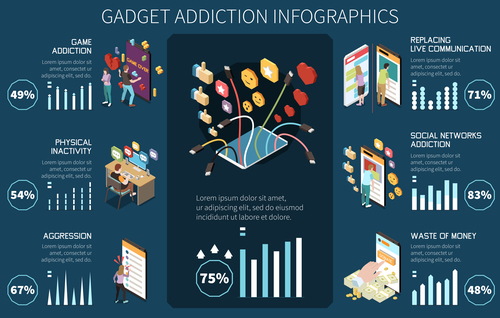
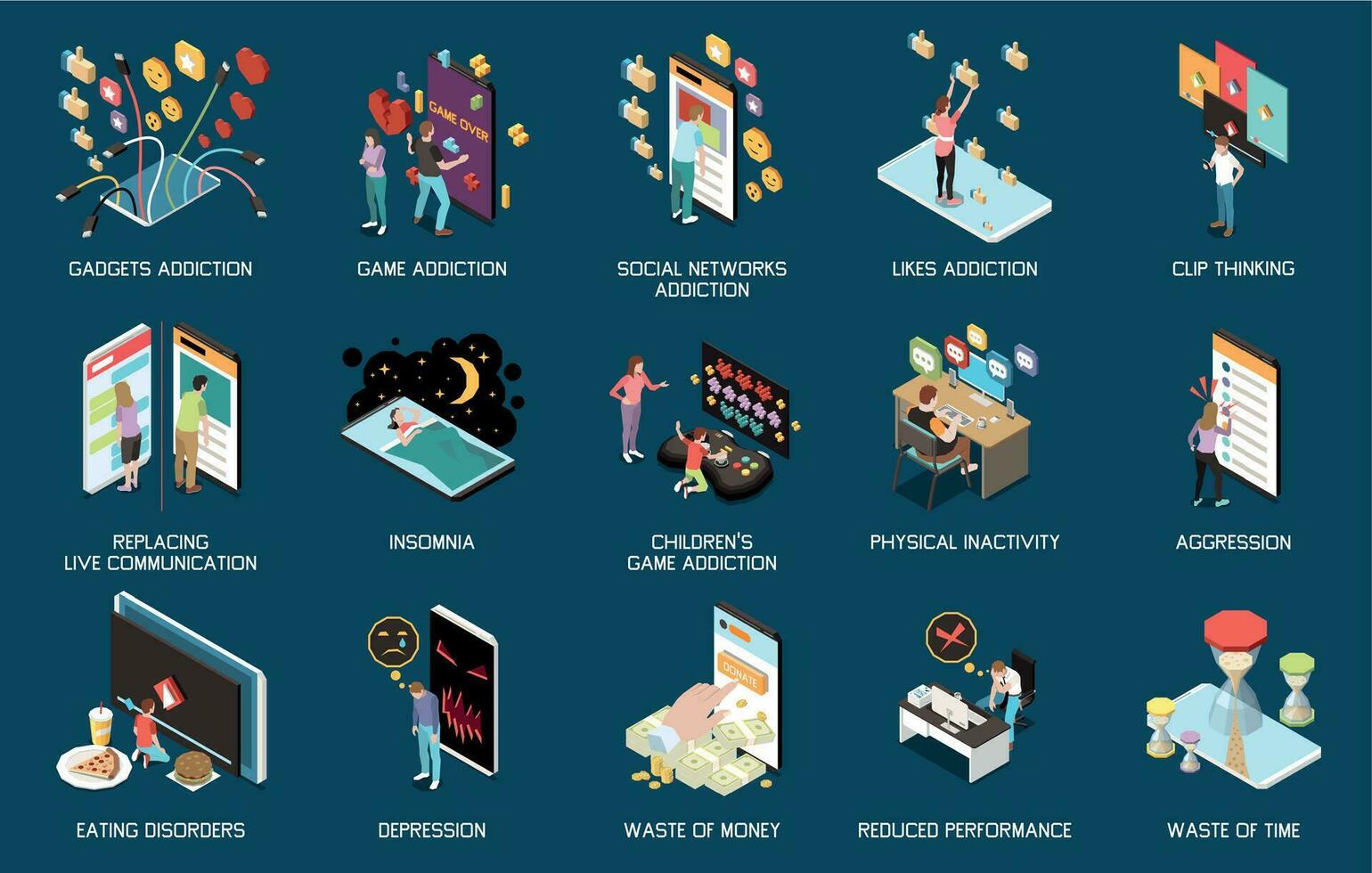
The consequences of gadget addiction can be severe and far-reaching, affecting not only the individual but also their relationships, work, and mental and physical health. Some potential consequences include:
- Social isolation and decreased face-to-face interaction:** Excessive gadget use can lead to social skills deficits and decreased empathy, as well as reduced opportunities for face-to-face communication and connection.
- Eye strain, sleep disturbances, and physical health problems:** Prolonged screen time can lead to eye strain, headaches, and decreased sleep quality, as well as an increased risk of obesity, diabetes, and cardiovascular disease.
- Decreased productivity and academic performance:** Excessive gadget use can interfere with work, school, or other responsibilities, leading to decreased productivity and academic performance.
- Mental health concerns and decreased self-esteem:** Gadget addiction can contribute to decreased self-esteem, anxiety, depression, and other mental health concerns, particularly in vulnerable populations such as children and adolescents.
Breaking Free from Gadget Addiction
Overcoming gadget addiction requires a multifaceted approach, including self-awareness, support, and strategic interventions. Here are some strategies to help you overcome gadget addiction:
- Set boundaries and limits:** Establish screen-free zones and times, such as during meals or before bed, and set limits on daily gadget use.
- Find alternative coping mechanisms:** Engage in activities that promote stress reduction and relaxation, such as exercise, meditation, or hobbies.
- Seek support:** Share your struggles with a trusted friend, family member, or mental health professional and seek guidance on overcoming gadget addiction.
- Practice self-care and self-compassion:** Treat yourself with kindness and compassion when struggling with gadget addiction, and prioritize self-care activities that promote overall well-being.
Conclusion
Gadget addiction is a complex issue that requires a comprehensive understanding of its causes, consequences, and potential solutions. By recognizing the addictive nature of gadgets and taking proactive steps to address this issue, we can reduce the negative impacts of gadget addiction and promote healthier relationships with technology.