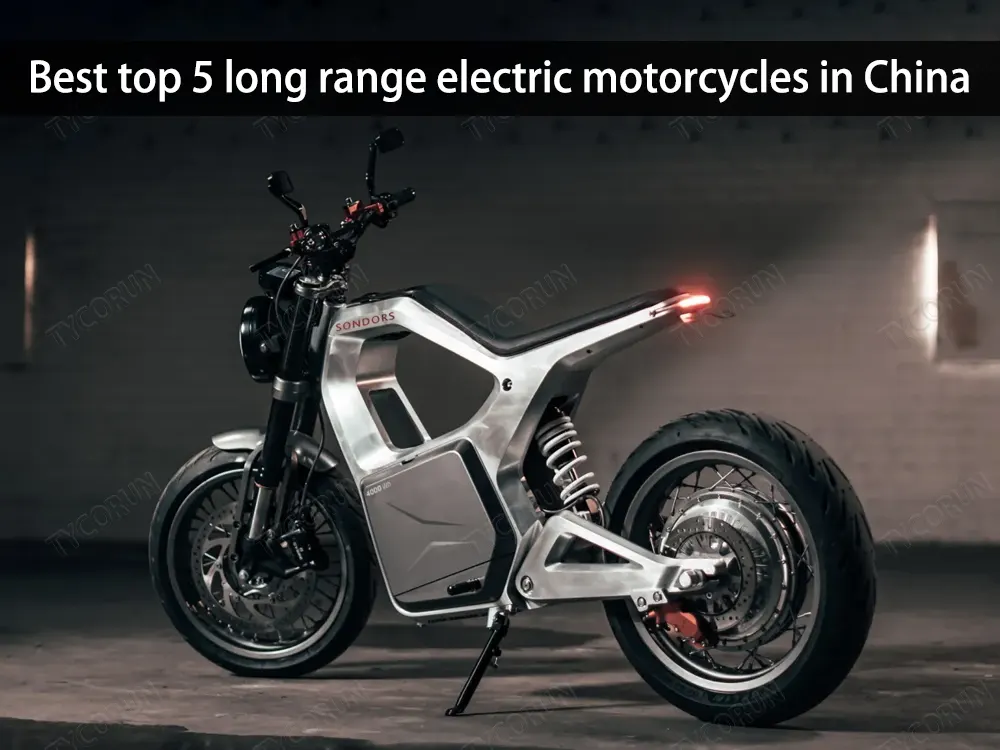
Understanding the Disadvantages of Electric Motorbikes
When it comes to motorcycles, the rise of electric motorbikes has been a significant trend in recent years. These eco-friendly vehicles offer a promising alternative to traditional gas-powered bikes, providing a smoother ride, reduced noise pollution, and lower operating costs. However, like any emerging technology, electric motorbikes also come with their own set of disadvantages that potential buyers should be aware of. In this article, we will delve into the common disadvantages of electric motorbikes, helping you make an informed decision when considering a switch to an electric ride.
The Disadvantages of Electric Motorbikes
While electric motorbikes offer numerous benefits, including environmental friendliness, low operating costs, and smooth performance, they also come with several drawbacks. Understanding these disadvantages is crucial when deciding whether an electric motorbike is right for you. Here are some key considerations:
1. Range Limitations
One of the most significant disadvantages of electric motorbikes is their limited range. Most e-motorbikes have a range of around 70-100 miles on a single charge, although some high-end models can reach up to 200 miles or more. However, this range can vary significantly depending on the model, terrain, and usage. For longer trips or extensive commutes, electric motorbikes might not be the most practical choice.
2. Charging Time
Another significant disadvantage of electric motorbikes is the charging time. Most e-motorbikes take several hours to fully charge, which can be inconvenient for daily commutes. Although some fast-charging systems are available, they can significantly increase the overall cost of the vehicle.
3. Cost
Electric motorbikes are still relatively expensive compared to their gas-powered counterparts. The high cost of the battery, advanced technology, and special features drive up the price of these vehicles. However, prices are decreasing as the technology improves and mass production increases.
4. Weight
Electric motorbikes can be heavier than their gas-powered counterparts, which can affect their handling and overall ride quality. This is often due to the added weight of the battery pack.

5. Limited Model Availability
At present, the selection of electric motorbikes is limited compared to gas-powered motorcycles. While many manufacturers are introducing e-motorbike models, the choices are still not as extensive as those in the gas-powered market.
6. Battery Replacement Costs
While electric motorbikes have lower operational costs, the cost of replacing batteries can be high. The frequency of battery replacement depends on usage and model type, but it's essential to consider this expense when owning an e-motorbike.
7. Regenerative Braking
Most electric motorbikes lack regenerative braking, which means they cannot recharge the battery during hard braking. This can limit the overall efficiency of electric motorbikes, especially in hilly areas where frequent braking is required.
8. Aerodynamics
Lastly, electric motorbikes often face reduced aerodynamics at high speeds, causing them to lose efficiency and range. This can be a significant disadvantage, especially for those who regularly ride on highways.
Conclusion
In conclusion, while electric motorbikes offer many advantages, such as environmental friendliness and cost-effectiveness, they also have several disadvantages to consider. Understanding these drawbacks is essential for potential buyers, as it can help them make an informed decision when choosing the right motorcycle for their needs. By carefully weighing the pros and cons, you can enjoy the benefits of an electric motorbike with minimal hassle and maximum satisfaction.


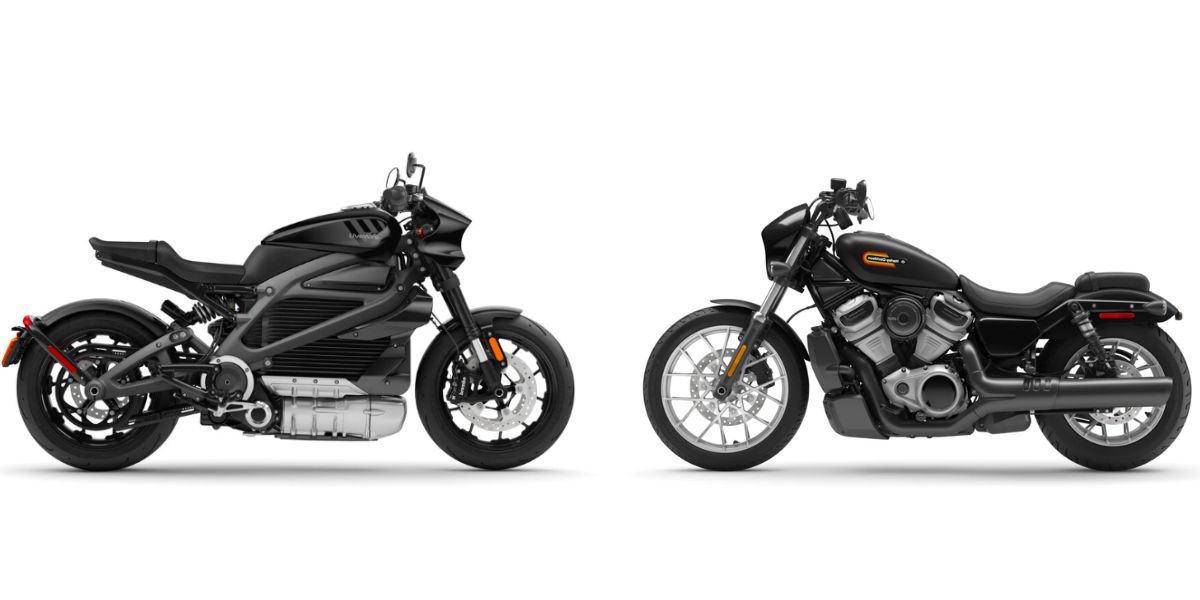



.jpg "Electric Motorcycles in Philippines 2024 | Zigwheels")