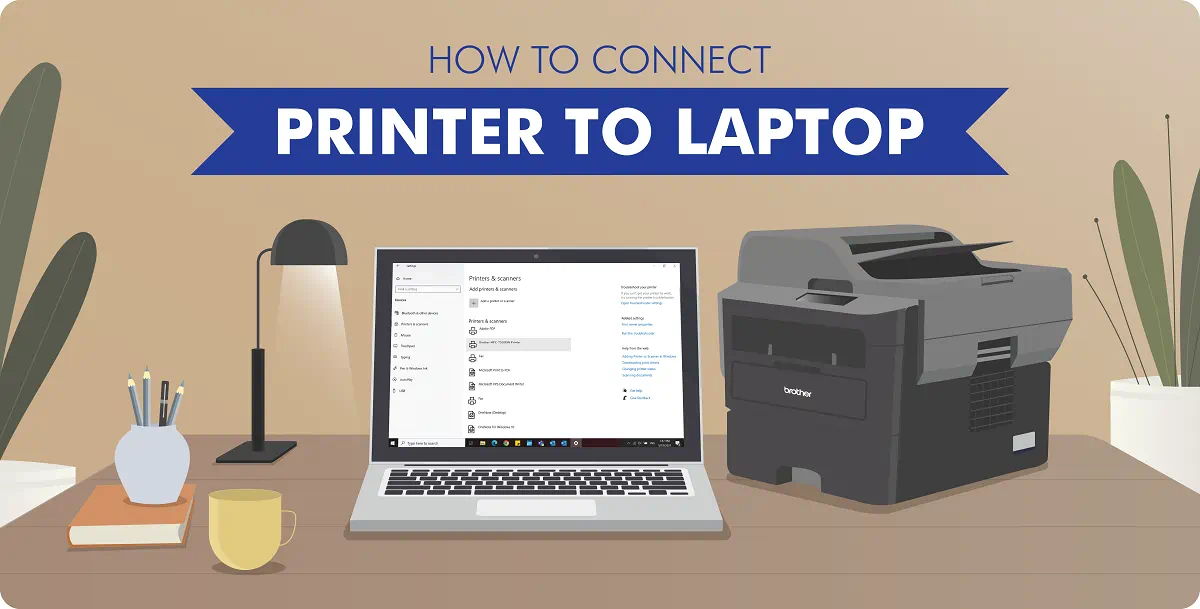
How to Setup Printer Wireless on OpenWrt: A Comprehensive Guide
Introduction
In this article, we will walk you through the process of setting up a printer wirelessly on OpenWrt, a popular open-source operating system used on embedded devices such as routers. This guide assumes that you have basic knowledge of networking and Linux commands.Prerequisites
Before we begin, make sure you have the following: * An OpenWrt device (router) * A USB printer * A Windows, macOS, or Linux computer * A stable internet connection * A willingness to learn and troubleshootStep 1: Determine the Printer's Capabilities
If your printer has built-in Wi-Fi, it's likely that it provides its own print server. In this case, you won't need to install any packages on OpenWrt. Simply set up the Wi-Fi client on the printer to connect to your Wi-Fi network. For older printers that aren't directly network capable, you'll need to use p910nd, the HP JetDirect protocol server. However, be aware that using p910nd requires additional setup and configuration.Step 2: Update and Install Packages on OpenWrt
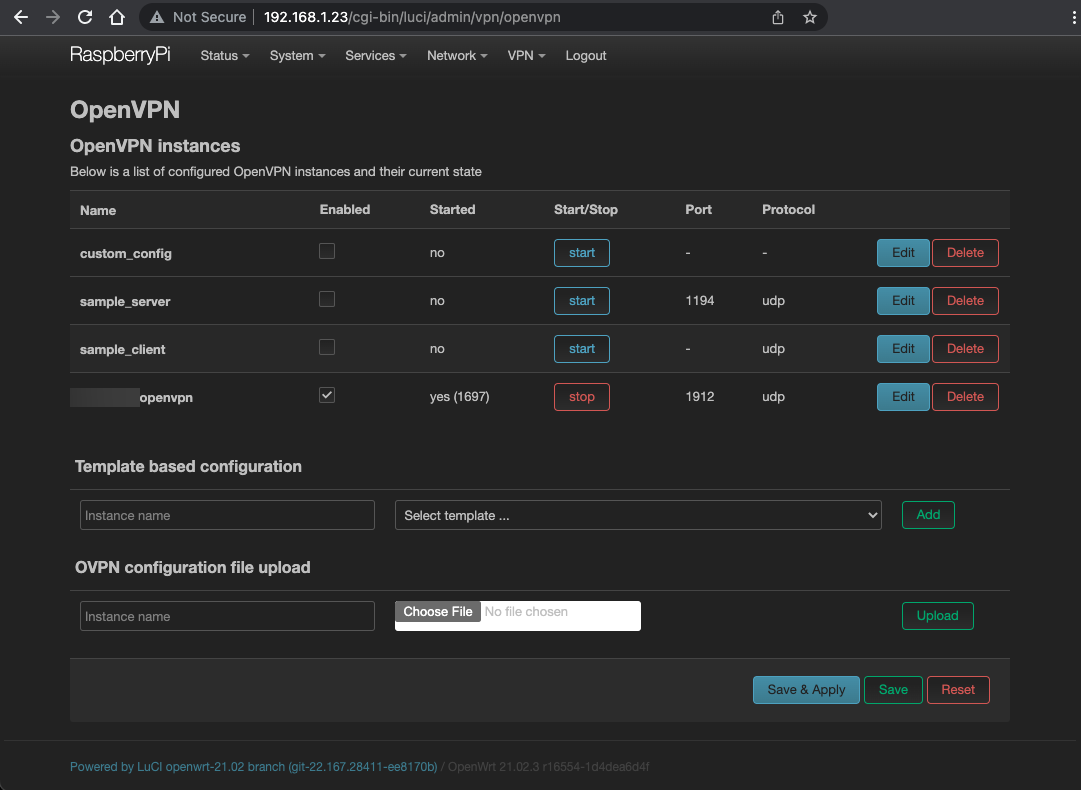
To use p910nd, you'll need to update and install the necessary packages on OpenWrt. You can do this by running the following commands in the terminal: ``` opkg update opkg install kmod-usb-printer opkg install p910nd luci-app-p910nd ``` These commands will update the package list, install the USB printer driver, and enable the p910nd print server.Step 3: Configure P910nd and CUPS
Next, you'll need to configure p910nd and CUPS (Common Unix Printing System) on the printer. The exact steps may vary depending on your printer model and OpenWrt version. You can find detailed instructions in the OpenWrt wiki. For example, to configure CUPS on a laptop, follow these steps: * Open Control Panel and switch to Printers. * Click "Add a printer" and then "The printer that I want isn't listed." * Choose "Add a printer using a TCP/IP..." and enter the IP address of your OpenWrt device. * Choose a name for the port and deselect the checkbox for auto query.Step 4: Configure Firewall and mDNS
After configuring p910nd and CUPS, you'll need to update the firewall settings on OpenWrt to allow incoming traffic on the printer port. You should also configure mDNS (Multicast DNS) to enable network browsing and discovery of printers. Follow the instructions in the OpenWrt wiki to set up mDNS.Step 5: Verify Printer Setup
Once you've completed the above steps, test the printer setup by sending a print job from your laptop or computer. If the print job is successful, you can proceed to share the printer with other devices on your network.Conclusion
Setting up a printer wirelessly on OpenWrt requires some technical expertise, but it's a great way to share printers and devices on your network. By following the steps outlined in this guide, you can overcome the challenges and enjoy seamless printing on your OpenWrt device.Frequently Asked Questions
* Can I use my printer with OpenWrt if it doesn't have built-in Wi-Fi?





![[OpenWrt Wiki] p910nd Print Server](https://i.ytimg.com/vi/LveZjdex3Ko/maxresdefault.jpg "[OpenWrt Wiki] p910nd Print Server")


![[OpenWrt Wiki] NETGEAR WAC104](https://i.ytimg.com/vi/bY8zWkwfzYg/maxresdefault.jpg "[OpenWrt Wiki] NETGEAR WAC104")