Understanding the Factors that Determine Final Height
Determining an individual's final height is a complex process that involves a combination of genetic, environmental, and hormonal factors. The height of a person is a polygenic trait, meaning that it is controlled by multiple genes and their variations. In this article, we will explore the factors that determine final height, including the role of genetics, nutrition, physical activity, and other environmental influences.
Genetics: The Primary Determinant of Final Height
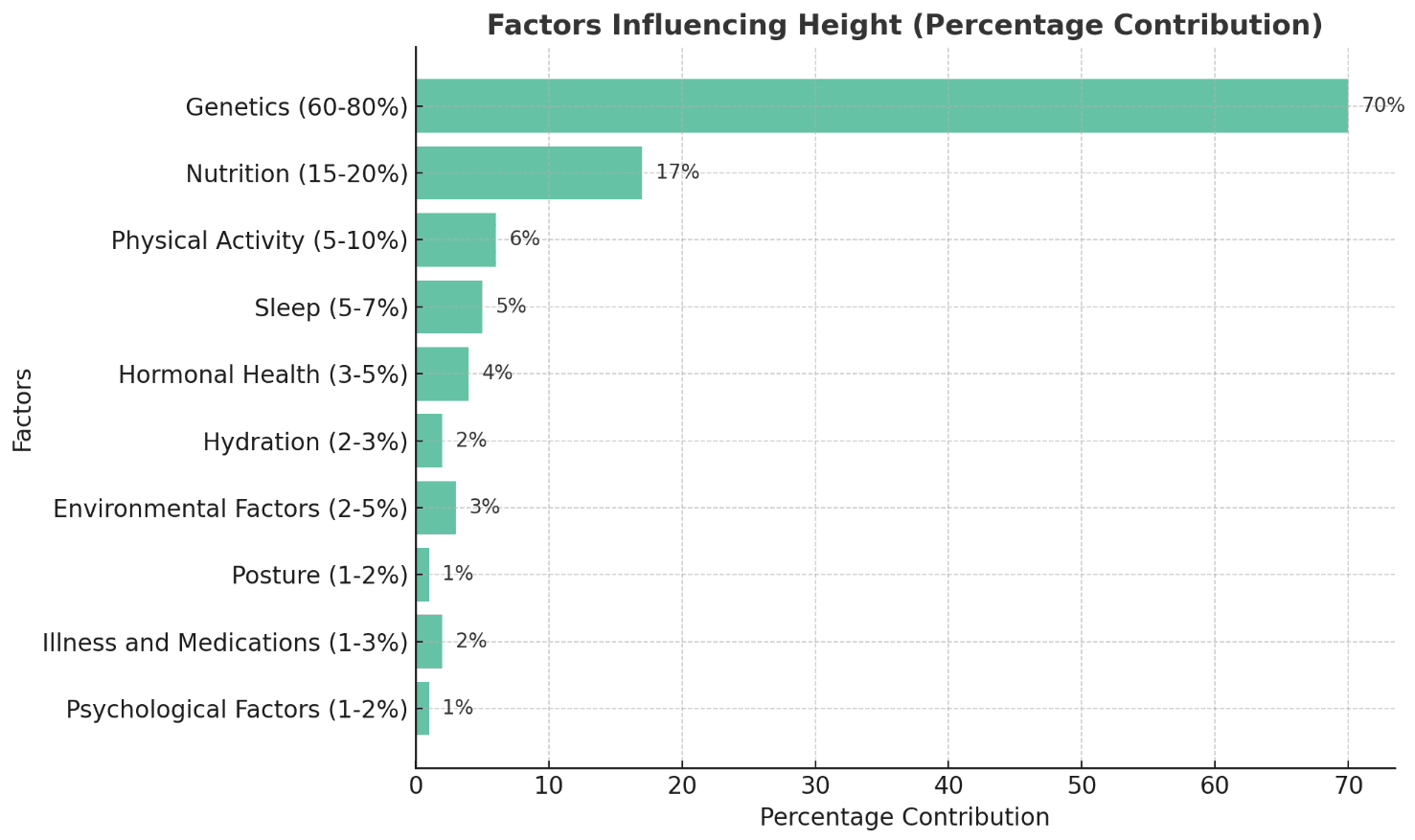
Genetics play a significant role in determining an individual's final height. Research has shown that genetics account for approximately 90% of the variation in height between individuals. The height of a person is influenced by the genetic information inherited from their parents, with each parent contributing a unique combination of genes that affect height. In genetic terms, height is a polygenic trait, meaning that numerous genes and their variations combine to determine final stature.
- Heritability Estimates: Studies have estimated that heritability accounts for 60 to 80% of the variation in height between individuals.
- Genetic Loci: Genome-wide association studies have identified numerous genetic loci associated with height, including both common and rare variants.
Nutrition: A Crucial Environmental Factor
Nutrition is a critical environmental factor that influences growth and development. Proper nutrition is essential for optimal growth and development, particularly during childhood and adolescence when growth rates are highest. Malnutrition can lead to stunted growth and development, while a well-balanced diet that includes essential nutrients can support healthy growth and development.
- Protein Intake: Adequate protein intake is essential for growth and development, particularly for children and adolescents.
- Caloric Intake: A sufficient caloric intake is necessary to support growth and development, particularly during periods of rapid growth.
Physical Activity: A Key Environmental Factor
Physical activity is another important environmental factor that influences growth and development. Regular physical activity can help support healthy growth and development, particularly during childhood and adolescence. Exercise has been shown to promote bone growth and density, which can lead to improved posture and reduced risk of osteoporosis later in life.
- Bone Density: Regular physical activity can help promote bone growth and density, particularly during childhood and adolescence.
- Posture: Exercise can help promote good posture, which can lead to improved confidence and self-esteem.
Hormones: A Crucial Regulator of Growth and Development
Hormones play a critical role in regulating growth and development. The growth hormone, in particular, is essential for growth and development, particularly during childhood and adolescence. The thyroid hormone, which regulates metabolism, also plays a role in growth and development. Other hormones, such as cortisol and insulin-like growth factor-1 (IGF-1), also play important roles in growth and development.
- Growth Hormone: The growth hormone is essential for growth and development, particularly during childhood and adolescence.
- Thyroid Hormone: The thyroid hormone regulates metabolism and plays a role in growth and development.
Other Environmental Factors
Other environmental factors, such as socioeconomic status, can also influence growth and development. For example, children from low-income families may experience food insecurity and malnutrition, which can lead to stunted growth and development. Exposure to environmental toxins, such as lead, can also affect growth and development.
- Socioeconomic Status: Socioeconomic status can influence access to nutritious food, healthcare, and education, which can impact growth and development.
- Environmental Toxins: Exposure to environmental toxins, such as lead, can affect growth and development.
Conclusion
Understanding the factors that determine final height is essential for promoting healthy growth and development. Genetics, nutrition, physical activity, hormones, and other environmental factors all play important roles in shaping an individual's height. By identifying these factors and providing support and resources to promote healthy growth and development, we can help ensure that individuals reach their full potential and achieve optimal health outcomes.