Protect Your Email Account with Email Security Best Practices
As an individual or a business, protecting your email account from hackers, scammers, and data breaches has become a top priority in today's digital landscape. With the prevalence of cyberattacks and sophisticated threats, implementing robust email security measures is crucial to safeguard your confidential data and ensure the integrity of your digital communications.
Understanding Email Security Best Practices
Email security best practices refer to the guidelines and methodologies used to protect email accounts and systems from malicious cyber threats. These practices encompass a range of strategies and technologies aimed at preventing email-based attacks, such as phishing, malware, and data breaches. By adopting these best practices, organizations can significantly reduce the risk of cyberattacks and ensure the confidentiality, privacy, and integrity of their digital communications.
Top Email Security Best Practices to Follow
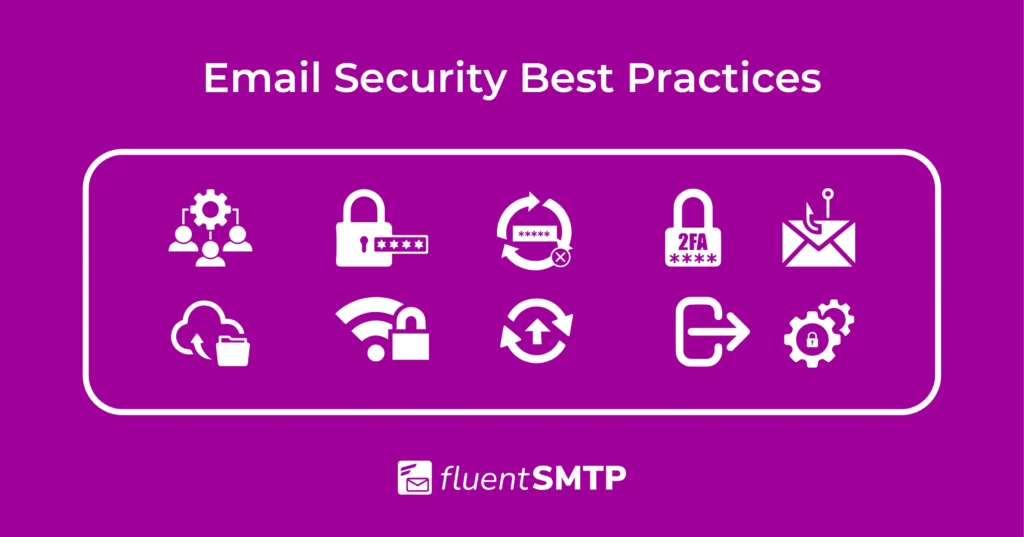
- 1. Use Strong and Unique Passwords - Implementing strong and unique passwords is a fundamental step in securing email accounts. Avoid using easily guessable information, such as birthdays or common words, and opt for complex passwords that include a mix of characters, numbers, and special characters.
- 2. Enable Multi-Factor Authentication (MFA) - MFA provides an additional layer of security by requiring users to provide a second form of verification, such as a fingerprint or a one-time password, to access their email account.
- 3. Encrypt Emails and Attachments - Encrypting emails and attachments ensures that sensitive information remains confidential and can only be accessed by authorized individuals.
- 4. Implement DMARC (Domain-based Message Authentication, Reporting, and Conformance) - DMARC helps protect against email spoofing by verifying the authenticity of emails sent on behalf of your domain.
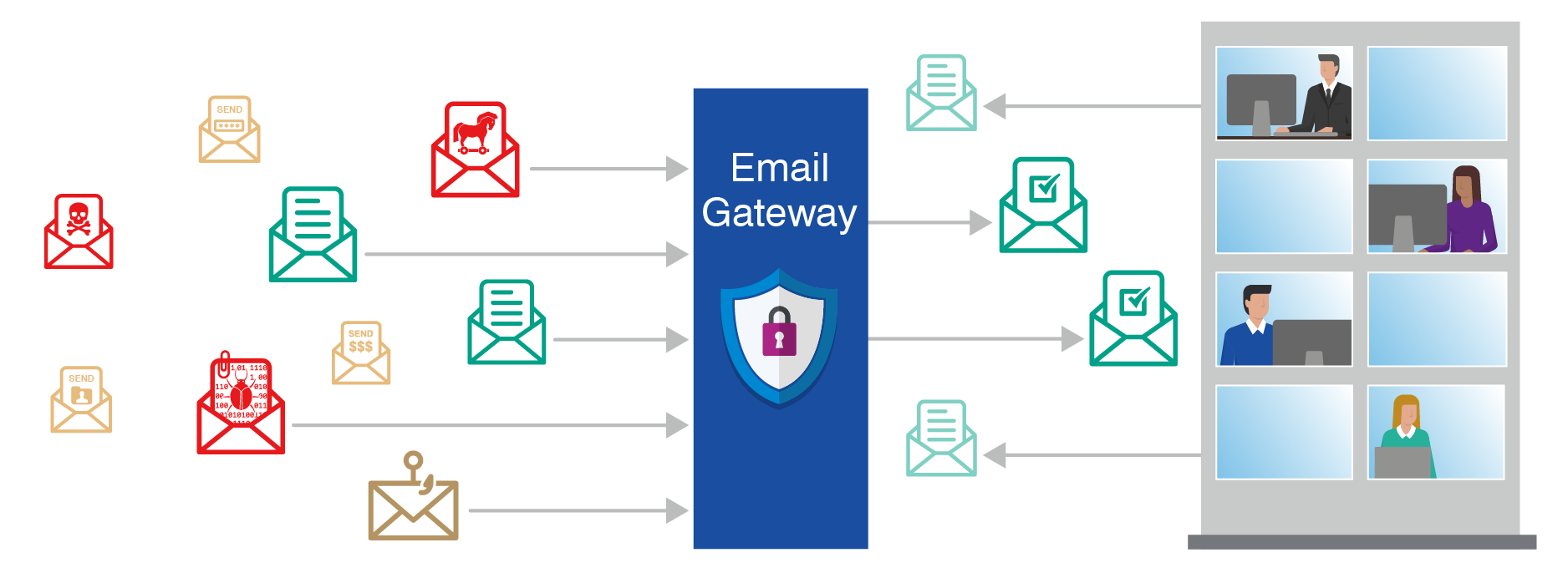
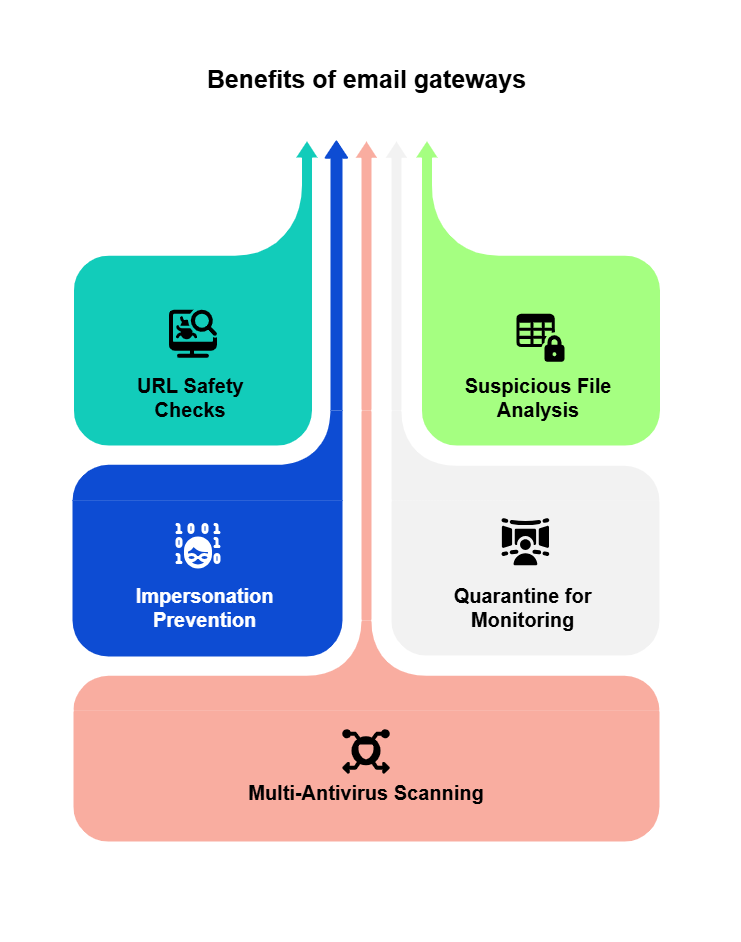
- 5. Use a Secure Email Gateway (SEG) - SEGs act as vigilant gatekeepers, scrutinizing incoming and outgoing email traffic to intercept threats before they infiltrate your network.
- 6. Educate Employees on Email Security Best Practices - Train employees on email security best practices, such as spotting phishing attempts, using secure email protocols, and reporting suspicious activity.
- 7. Regularly Update and Patch Email Software - Keep email software and plugins up-to-date with the latest security patches and updates to prevent exploitation of known vulnerabilities.
- 8. Monitor Email Traffic and Activity - Regularly monitor email traffic and activity to detect anomalies and potential security breaches.
- 9. Implement Advanced Threat Protection (ATP) - ATP uses AI-powered tools to detect and block sophisticated threats, such as spear phishing and business email compromise attacks.
- 10. Conduct Regular Security Audits and Penetration Testing - Regularly conduct security audits and penetration testing to identify vulnerabilities and weaknesses in your email security infrastructure.
Challenges and Opportunities in Email Security
The email landscape is constantly evolving, with new threats and vulnerabilities emerging every day. However, with the adoption of email security best practices, organizations can stay ahead of the curve and protect themselves against the growing threat of cyberattacks.
Conclusion
Protecting your email account with email security best practices is a critical step in safeguarding your confidential data and ensuring the integrity of your digital communications. By implementing these best practices, organizations can significantly reduce the risk of cyberattacks and stay ahead of the growing threat of email-based attacks. Remember, email security is an ongoing process that requires continuous monitoring, maintenance, and improvement to stay effective.