Attending to Gadget Addiction: Strategies for a Healthier Relationship with Technology
In today's digital age, it's easy to become addicted to electronics. With smartphones, tablets, and computers ruling our day-to-day lives, it's crucial to find ways to reduce our reliance on these gadgets. Overcoming an addiction to electronics may seem difficult, but there are proven methods to help individuals and families break free from the cycle of gadget addiction.
Understanding Gadget Addiction
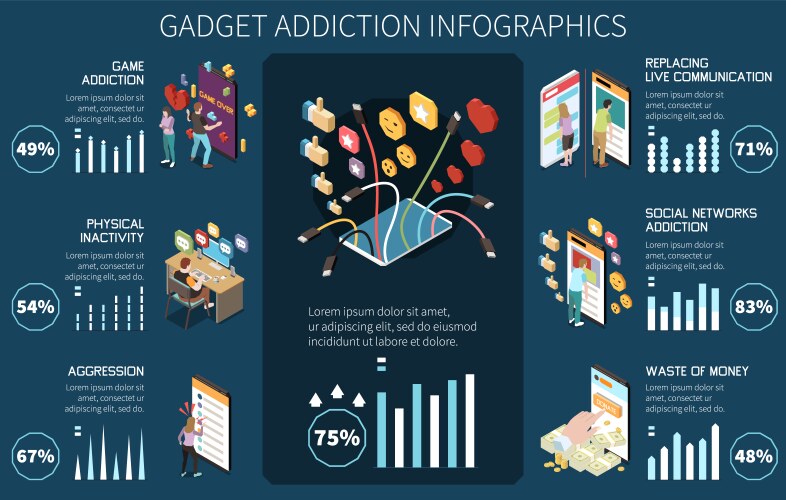
Gadget addiction, also known as technology addiction, is a disorder that involves compulsive internet, smart device, or gaming console use. People with technology addiction can experience symptoms of tolerance and withdrawal similar to those with substance use disorders, such as irritability, anxiety, and difficulty concentrating.
The Signs of Gadget Addiction
Identifying the signs of gadget addiction can be the first step towards seeking help. Some common symptoms include:
- Inability to focus for long periods
- Lacking concentration on certain tasks
- Memory problems
- Decision-making problems
- Headaches
- Eye problems
- Back aches
- Stress, anxiety, and communication disorders
- Fertility problems due to over-exposure to radiation
Preventing Gadget Addiction in Children
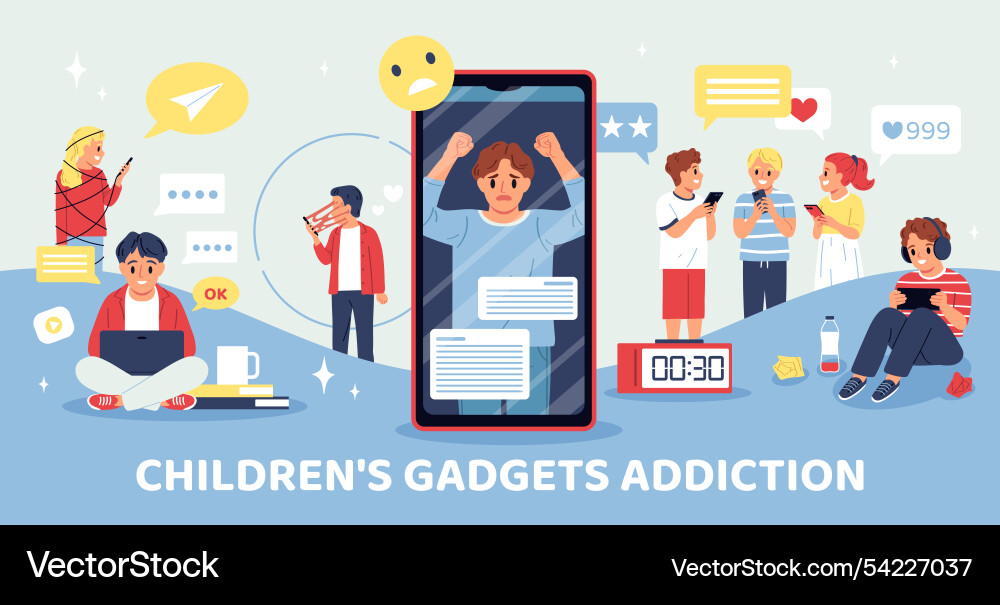
Preventing gadget addiction in children is crucial for their physical and cognitive development. Here are some tips to help parents keep their kids safe:
- Limit usage: Gaining or using anything in excess frequently becomes a source of disturbance.
- Encourage physical activities: Engage your child in sports, dance, or other creative activities to reduce screen time.
- Set screen time limits: Establish a daily limit for screen time and monitor your child's usage.
- Monitor online activity: Keep an eye on your child's online activity and block access to harmful or addictive websites.
- Encourage socialization: Engage your child in social activities, such as playing with friends or family members.

Treatment Options for Gadget Addiction
Treatment options for gadget addiction are available, and they can be tailored to an individual's needs. Some common treatment options include:
- Therapy: Cognitive-behavioral therapy (CBT) and other forms of talk therapy can help individuals identify and change negative thought patterns and behaviors associated with gadget addiction.
- Support groups: Joining a support group, either in-person or online, can provide a sense of community and accountability for individuals struggling with gadget addiction.
- Medication: In some cases, medication may be prescribed to help manage symptoms of gadget addiction, such as anxiety or depression.
Conclusion
Attending to gadget addiction requires a comprehensive approach that involves understanding the signs and causes of addiction, as well as implementing strategies to prevent and treat addiction. By taking a proactive approach to managing gadget addiction, individuals and families can break free from the cycle of addiction and cultivate a healthier relationship with technology.
Final Tips
Here are some final tips to help you attend to gadget addiction:
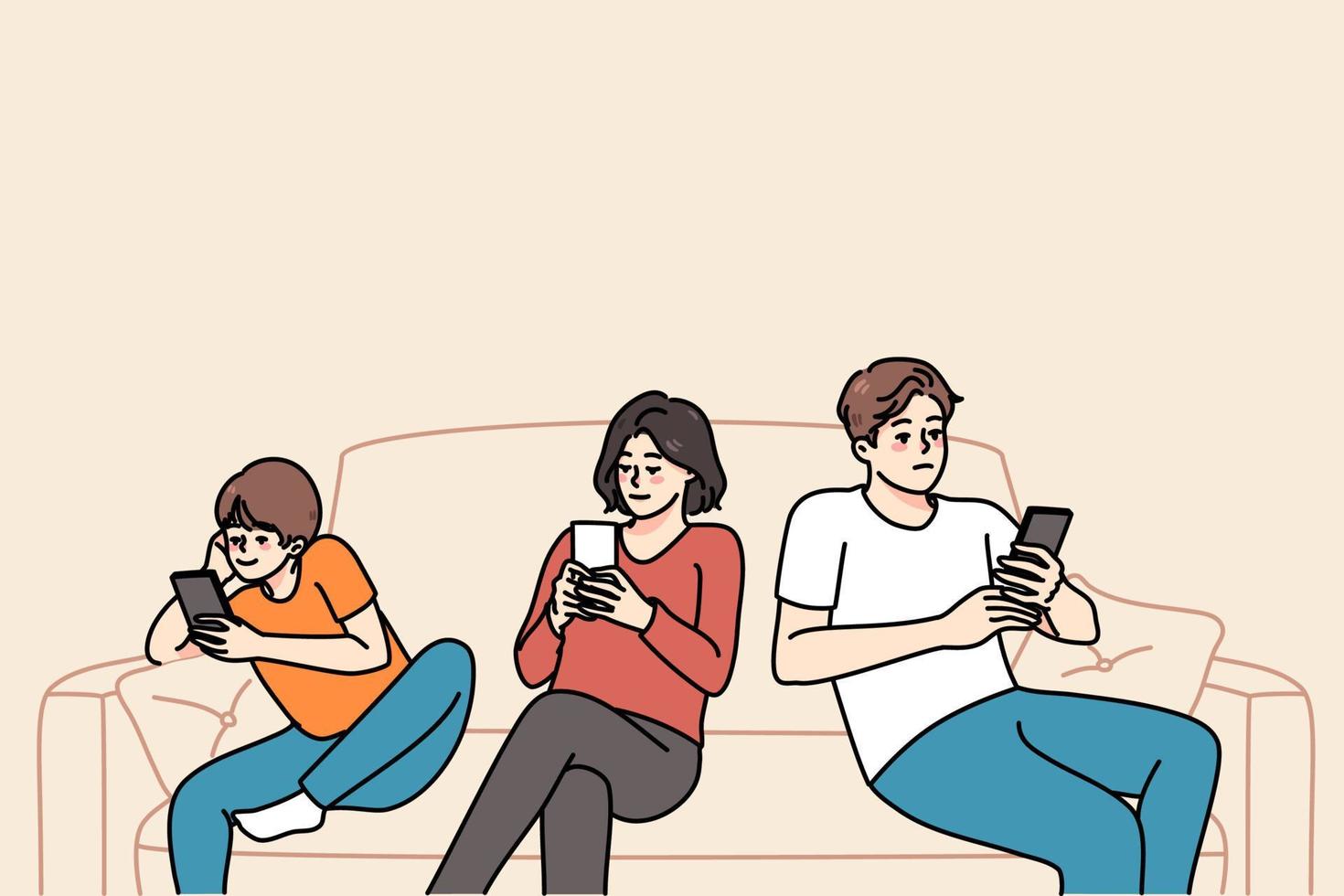
- Recognize the negative effects of gadget addiction: Understand the potential consequences of gadget addiction, such as decreased productivity, strained relationships, and decreased physical and mental health.
- Seek help: Reach out to a mental health professional or a support group for guidance and support.
- Set boundaries: Establish limits on your gadget use and encourage others to do the same.
- Find alternative activities: Engage in physical activities, creative pursuits, or social activities to reduce screen time.
By following these tips and seeking help when needed, you can break free from the cycle of gadget addiction and cultivate a healthier relationship with technology.