How to Set Up a Minecraft Server at Home: A Step-by-Step Guide
Are you tired of playing Minecraft on public servers and want to create your own private world to share with friends and family? Look no further! Setting up a Minecraft server at home is easier than you think, and with the right tools and instructions, you can be playing on your own server in no time.
Requirements and Recommendations
- Computer or laptop with a decent processor, RAM, and storage space
- Windows, macOS, or Linux operating system
- Java or Bedrock Edition of Minecraft
- Internet connection with a reliable router and modem
Choosing Between Java and Bedrock Edition
Before we dive into the setup process, it's essential to decide which edition of Minecraft you want to use for your server. Java Edition is more complex and offers more features, but it requires a computer with a decent processor and RAM. Bedrock Edition, on the other hand, is more accessible and can run on lower-end hardware, but it has fewer features and customization options.
Step 1: Download and Install Java or Bedrock Edition
If you're using Java Edition, download the latest version of Minecraft Java Edition from the official website. If you're using Bedrock Edition, download the Minecraft Bedrock Edition from the Microsoft Store. Once you've downloaded the correct edition, install it on your computer or laptop.
Step 2: Create a New Folder for Your Server
Create a new folder on your computer or laptop to store your server files. This folder will contain all the necessary files and configurations for your server. Name the folder something like "Minecraft Server" or "My World".
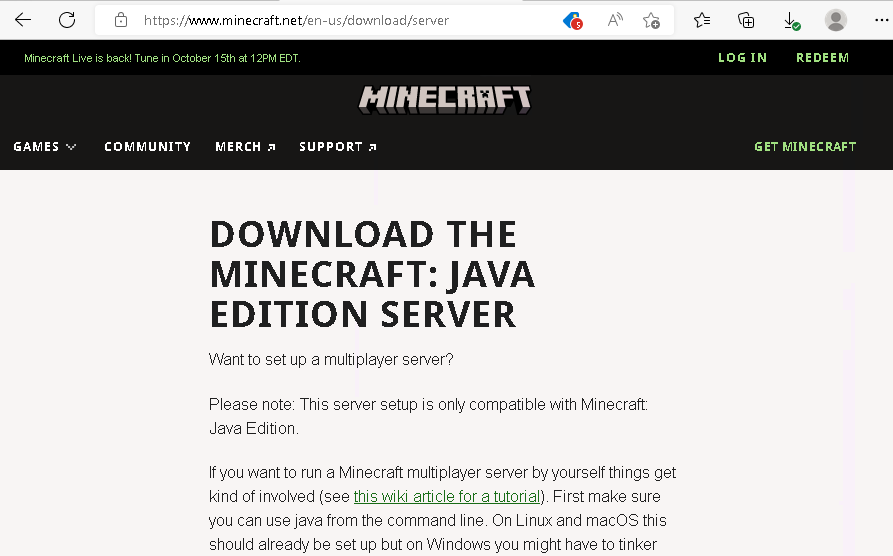
Step 3: Download the Server Software
Download the Minecraft Server software from the official website. If you're using Java Edition, download the Minecraft Server software for Java Edition. If you're using Bedrock Edition, download the Minecraft Server software for Bedrock Edition. Once you've downloaded the software, extract it to the folder you created in Step 2.
Step 4: Configure the Server Properties

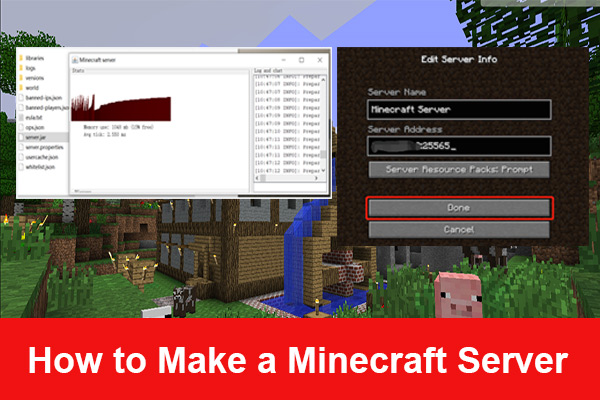
Open the server.properties file in a text editor and configure the settings according to your preferences. You can adjust the server settings to control the game mode, difficulty, and other settings.
Step 5: Launch the Server
Open a command prompt or terminal and navigate to the folder where you extracted the server software. Type "java -jar minecraft_server.jar" (for Java Edition) or "java -jar bedrock_server.jar" (for Bedrock Edition) to launch the server. You'll see the server console log in the command prompt or terminal.
Step 6: Configure Port Forwarding
Configure port forwarding on your router to allow external connections to your server. You'll need to forward the default Minecraft port (25565) to your computer's IP address. You can do this by logging into your router's admin panel and navigating to the port forwarding settings.
Step 7: Test Your Server
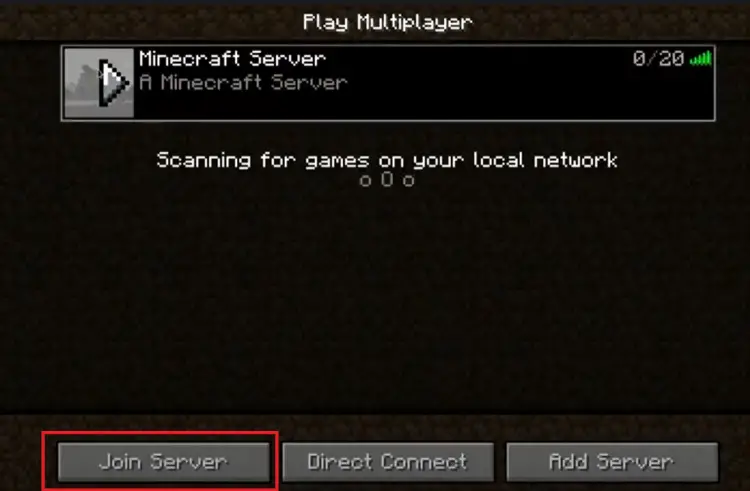
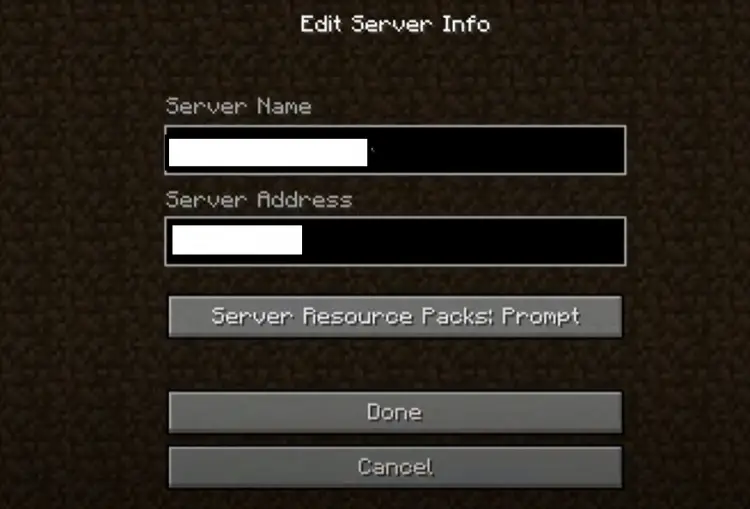
Once you've configured port forwarding, test your server by connecting to it from another device on the same network or from the internet. You can use the Minecraft client to connect to your server and test its functionality.
Conclusion
Setting up a Minecraft server at home is a straightforward process that requires some technical knowledge and patience. By following these steps, you can create your own private Minecraft world to share with friends and family. Remember to configure your server settings and port forwarding correctly to ensure a smooth and secure gaming experience.
Additional Tips and Resources
- Make sure your computer or laptop meets the minimum system requirements for Minecraft Server.
- Use a powerful computer or laptop to host a large server with many players.
- Configure your server settings to control the game mode, difficulty, and other settings.
- Use a reliable router and modem to ensure a stable internet connection.
- Consult online resources and forums for more information on Minecraft Server setup and configuration.