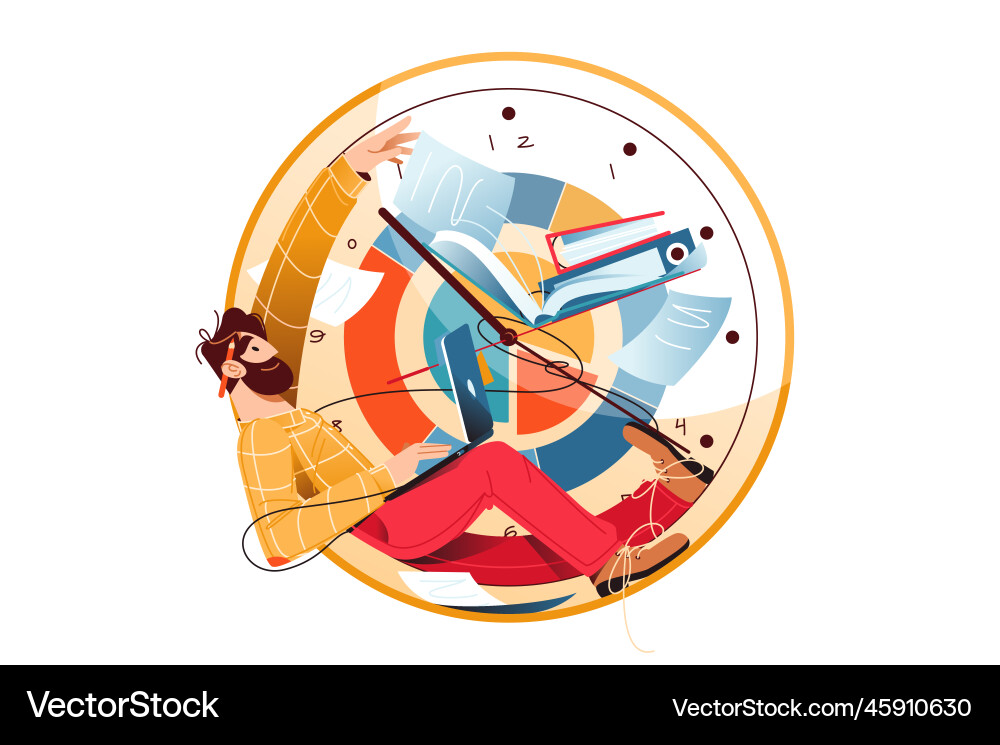
Decreasing Divided Attention in a Fast-Paced Work Environment and Daily Life
In today's fast-paced world, where distractions are omnipresent, focusing the mind is more critical than ever. With constant notifications, multitasking, and a barrage of information, the ability to concentrate has become a rare skill. Divided attention hampers productivity, dilutes our creativity, and can even affect our mental well-being.
Understanding the Science Behind Divided Attention
Divided attention is the mental process of focusing on multiple tasks or sources of information at the same time. Despite its central role in multitasking, splitting attention often reduces accuracy, speed, and overall performance. Understanding how divided attention works helps explain everyday challenges such as distracted driving, task switching at work, and information overload in digital media.
Cognitive Processes Involved in Divided Attention
Divided attention involves distributed attention, where our focus is split between two or more activities simultaneously. One definition of divided attention from psychology is: "Divided attention refers to the ability to distribute our attention so that two or more activities may be performed simultaneously." Selective attention, our brain's filtering system, picks out what's relevant and suppresses the rest.
Benefits and Dangers of Divided Attention
While divided attention is essential in many aspects of modern life, it can also impact productivity and performance. Studies have shown that when we try to perform multiple tasks at once, the overall quality and efficiency of our work may decrease. Research indicates that while the modern workplace demands higher levels of multitasking, doing so may not only hinder productivity but can also lead to cognitive overload.
Why Divided Attention Reduces Efficiency
When we divide our attention among multiple tasks, it results in what's known as the split attention effect - a decline in performance due to limited resources being stretched too thin. For instance, a study found that workers who checked emails while performing primary tasks had reduced productivity by up to 40%. This highlights the importance of understanding the science behind divided attention and implementing effective strategies to mitigate its negative consequences.

Strategies to Improve Divided Attention
Here's the good news: divided attention is not a fixed cognitive ability. Specialists believe it can be trained and improved through structured divided attention tasks. In this article, we'll explore what divided attention is, why it matters, and practical ways to strengthen it in everyday life. Divided attention tasks, such as sorting grains and attention games, can help improve attentional capacity or working memory.
Practical Applications of Divided Attention
Given the challenges of divided attention in today's fast-paced digital world, it becomes imperative for educators, students, and parents to collaborate toward creating focused learning environments. Introducing divided attention training in schools can help improve students' ability to multitask and manage time effectively.
Conclusion
In today's fast-paced world, divided attention is a common challenge that can significantly impact our productivity and cognitive performance. By understanding the science behind divided attention and implementing effective strategies, we can mitigate its negative consequences and unlock our full potential. This requires a conscious effort to minimize distractions, prioritize tasks, and develop strategies to improve our divided attention skills.
Further Reading
- Learn what divided attention is and how it impacts multitasking, focus, and productivity in everyday life. Improve your divided attention with expert tips.
- Discover how divided attention affects multitasking in daily life, leading to decreased performance and stress. Learn strategies to enhance focus and productivity.
- Read about the role of working memory and attention in various applied settings and explain, in each case, why a switch in emphasis to attention control is warranted.
- Learn some tips to achieve a healthy and sustainable work-life balance in a fast-paced environment. Discover how to set boundaries, prioritize tasks, manage stress, learn skills, and have fun.