Hyperconnectivity and Smart Buildings: Revolutionizing Urban Ecosystems
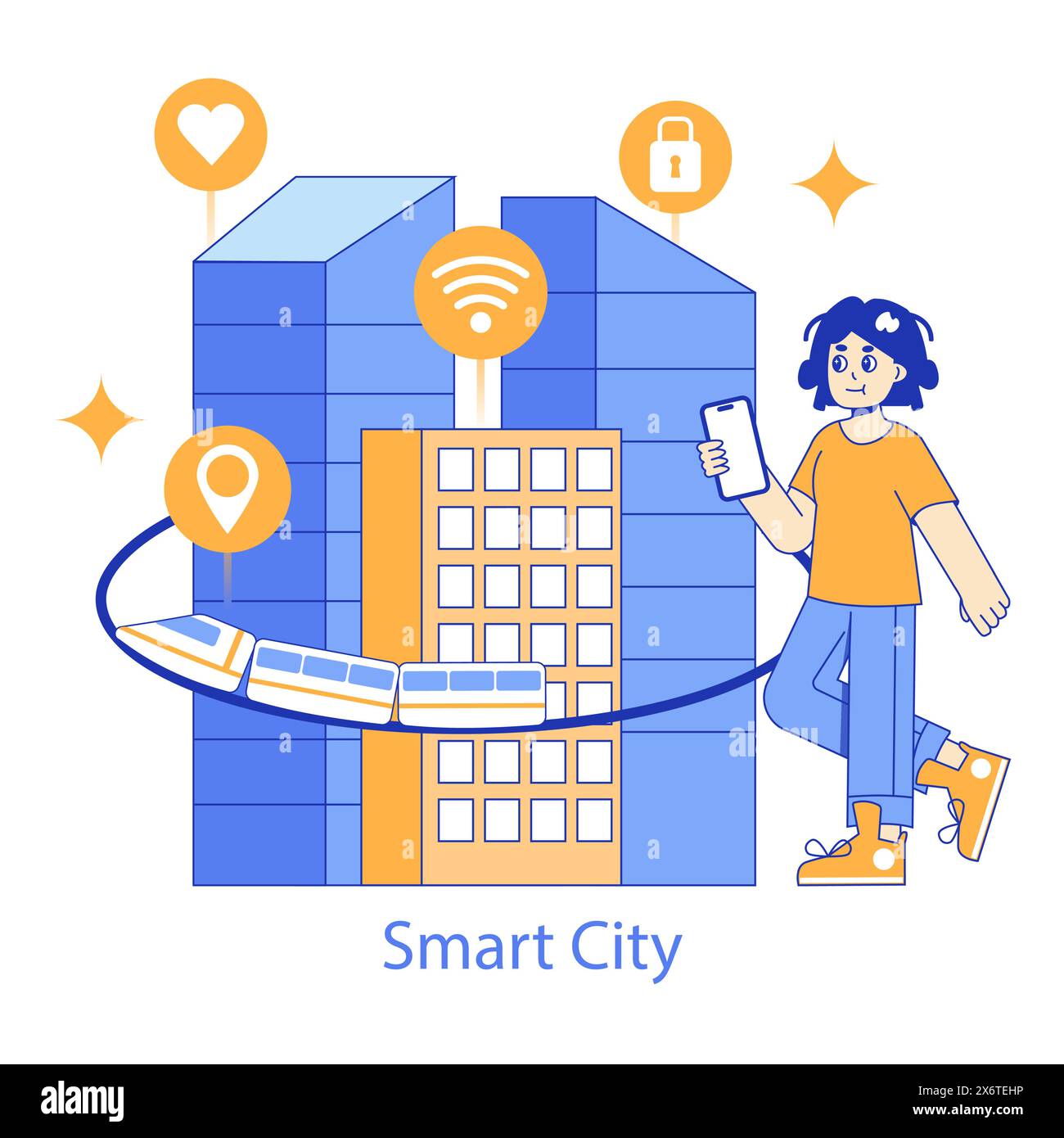
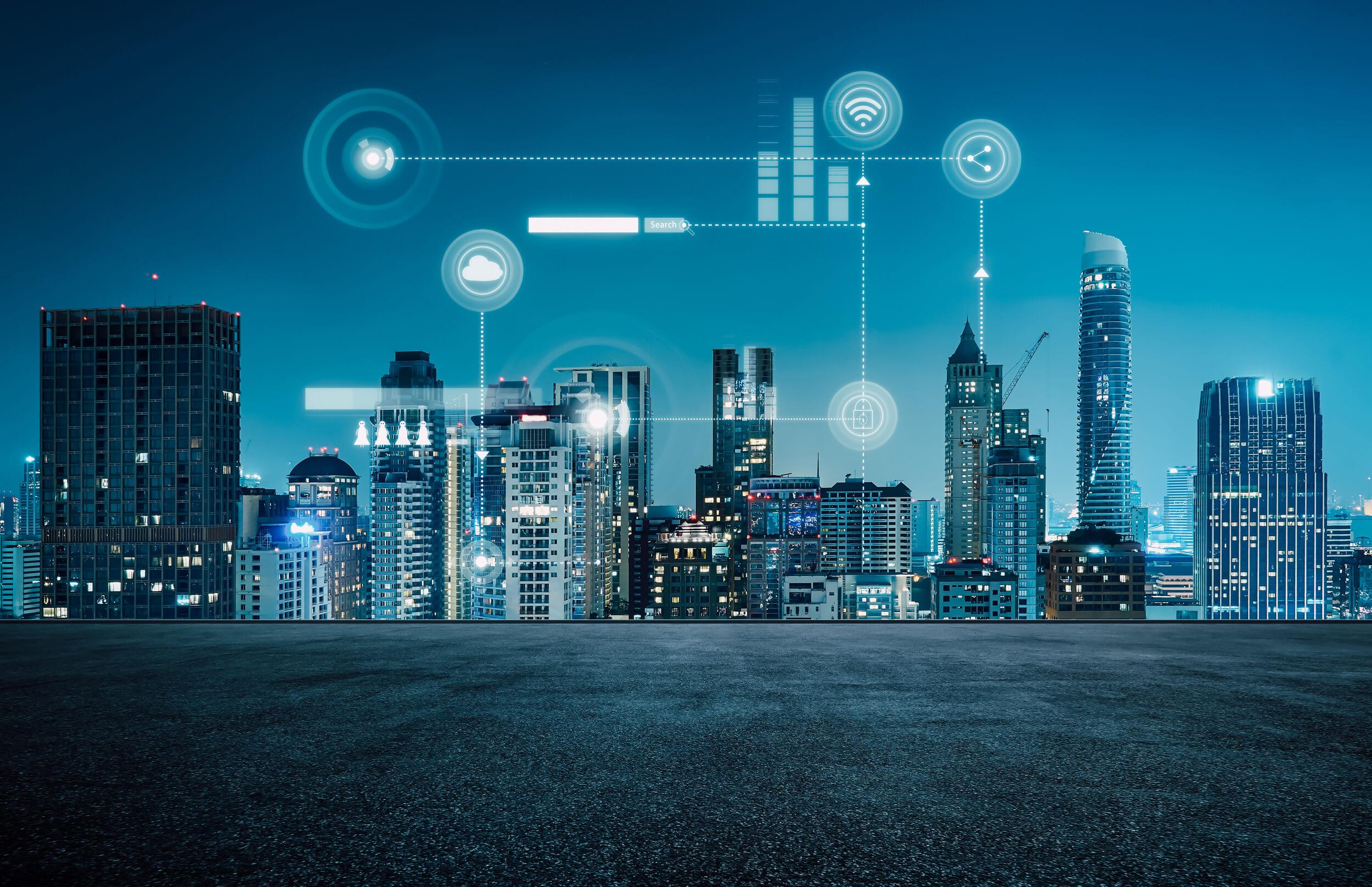
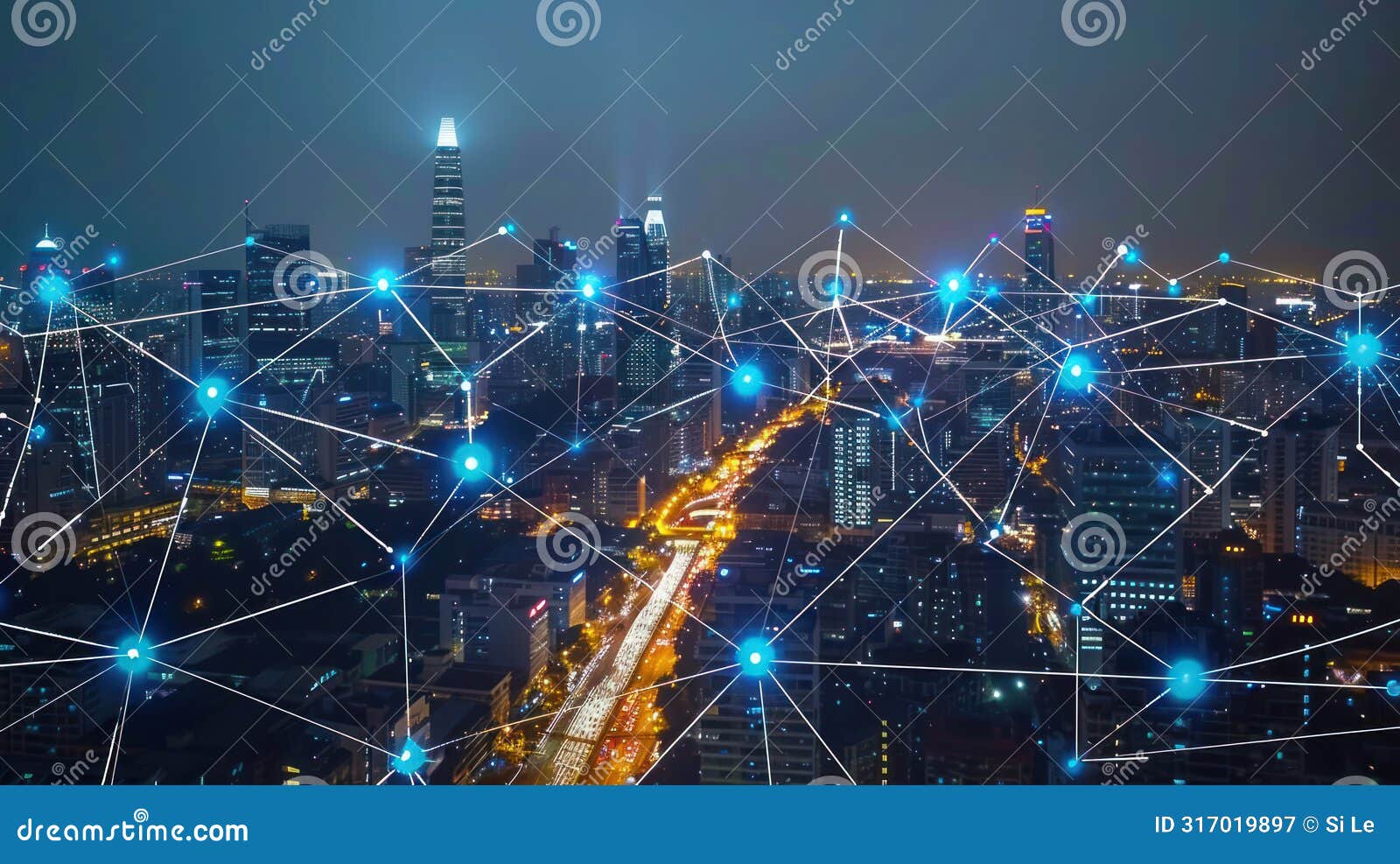
In today's increasingly interconnected world, the concept of "smart" is no longer just about buildings. It's about creating a web of technologies that transform and connect key areas of a city's ecosystem, from roads to cars, buildings to energy systems. Welcome to the world of hyperconnectivity and smart buildings.
What is Hyperconnectivity and Smart Buildings?
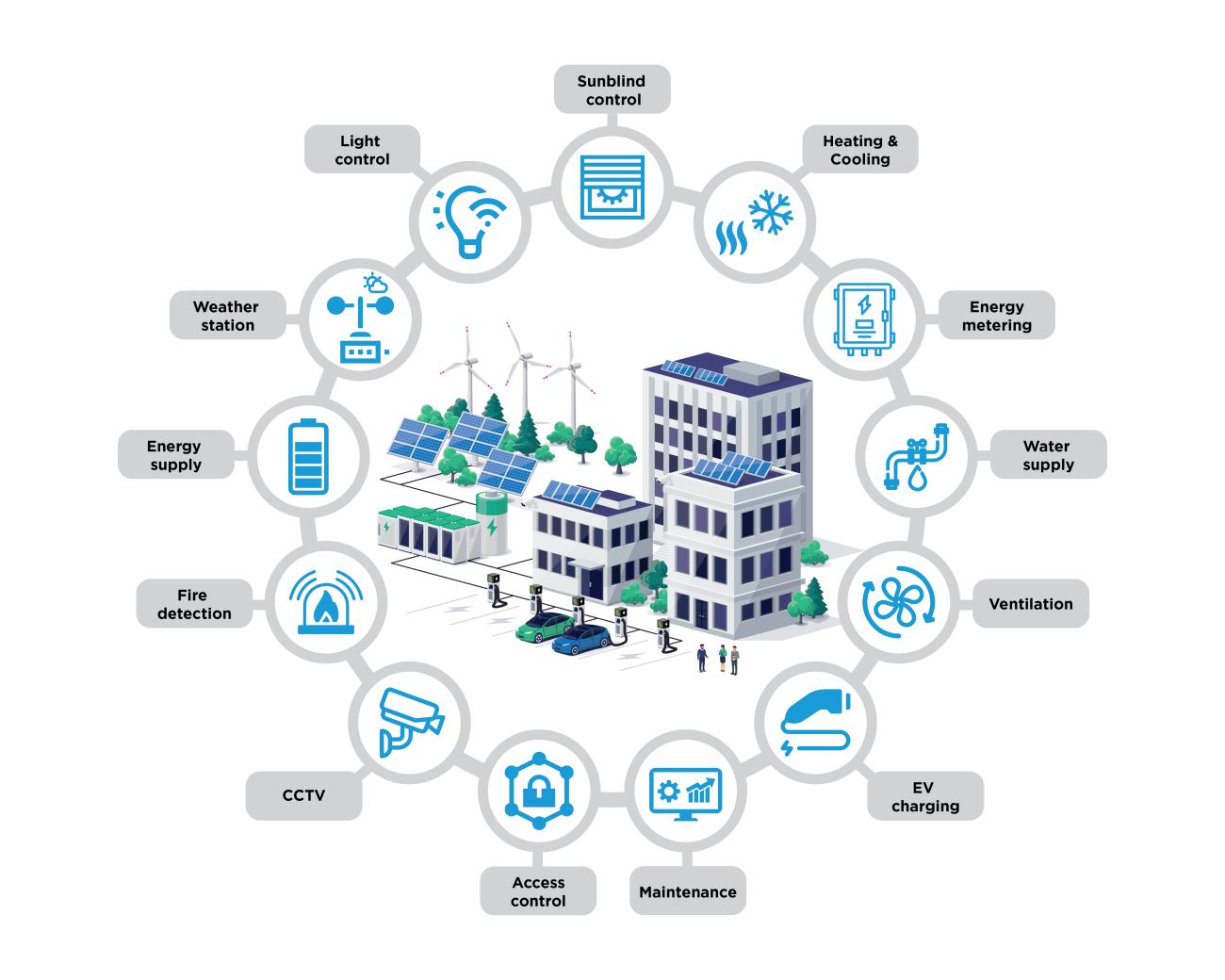
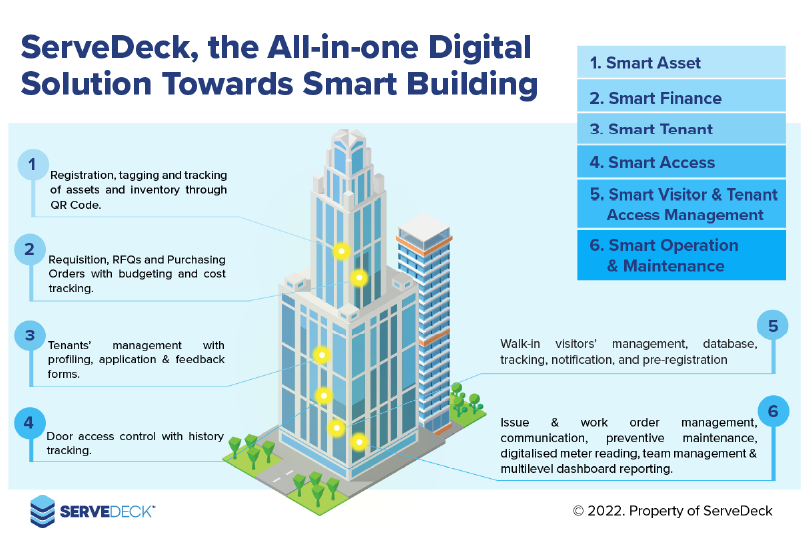
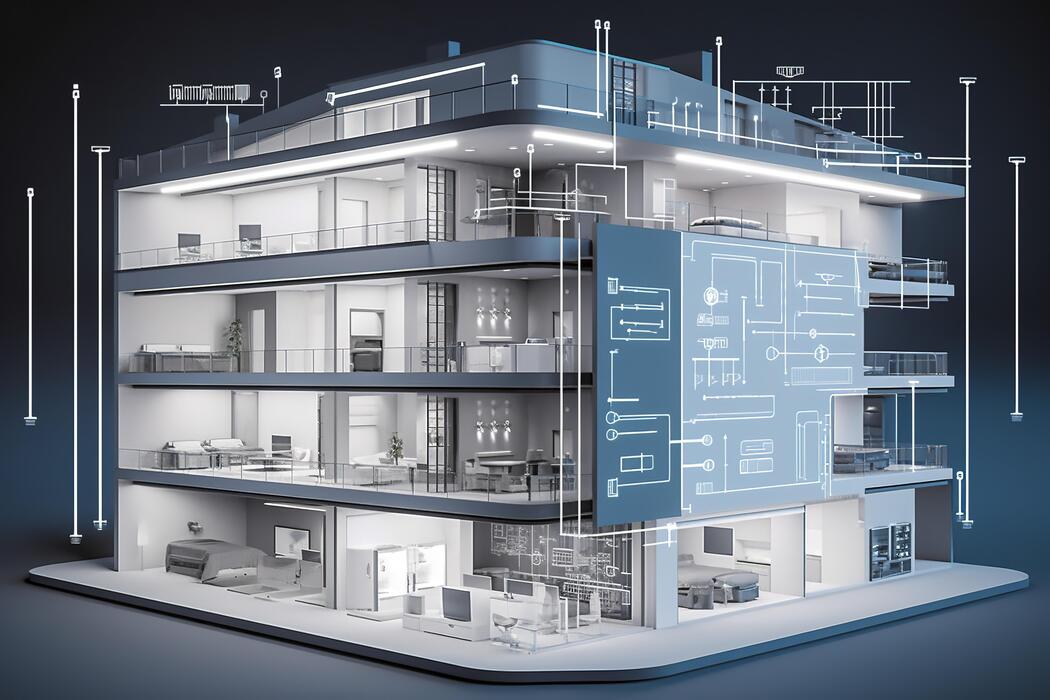
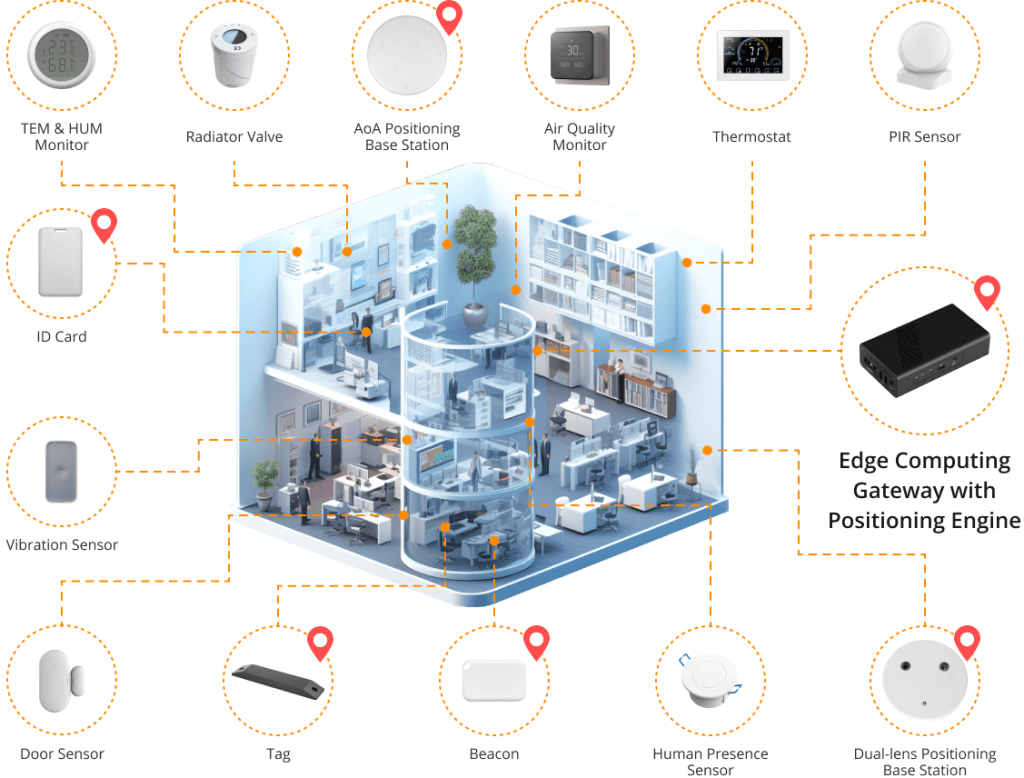
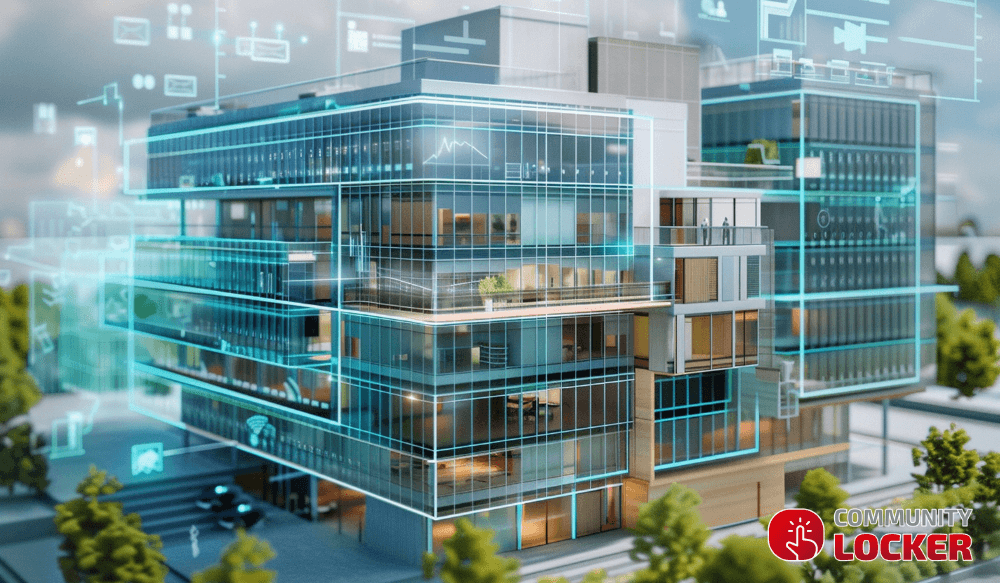
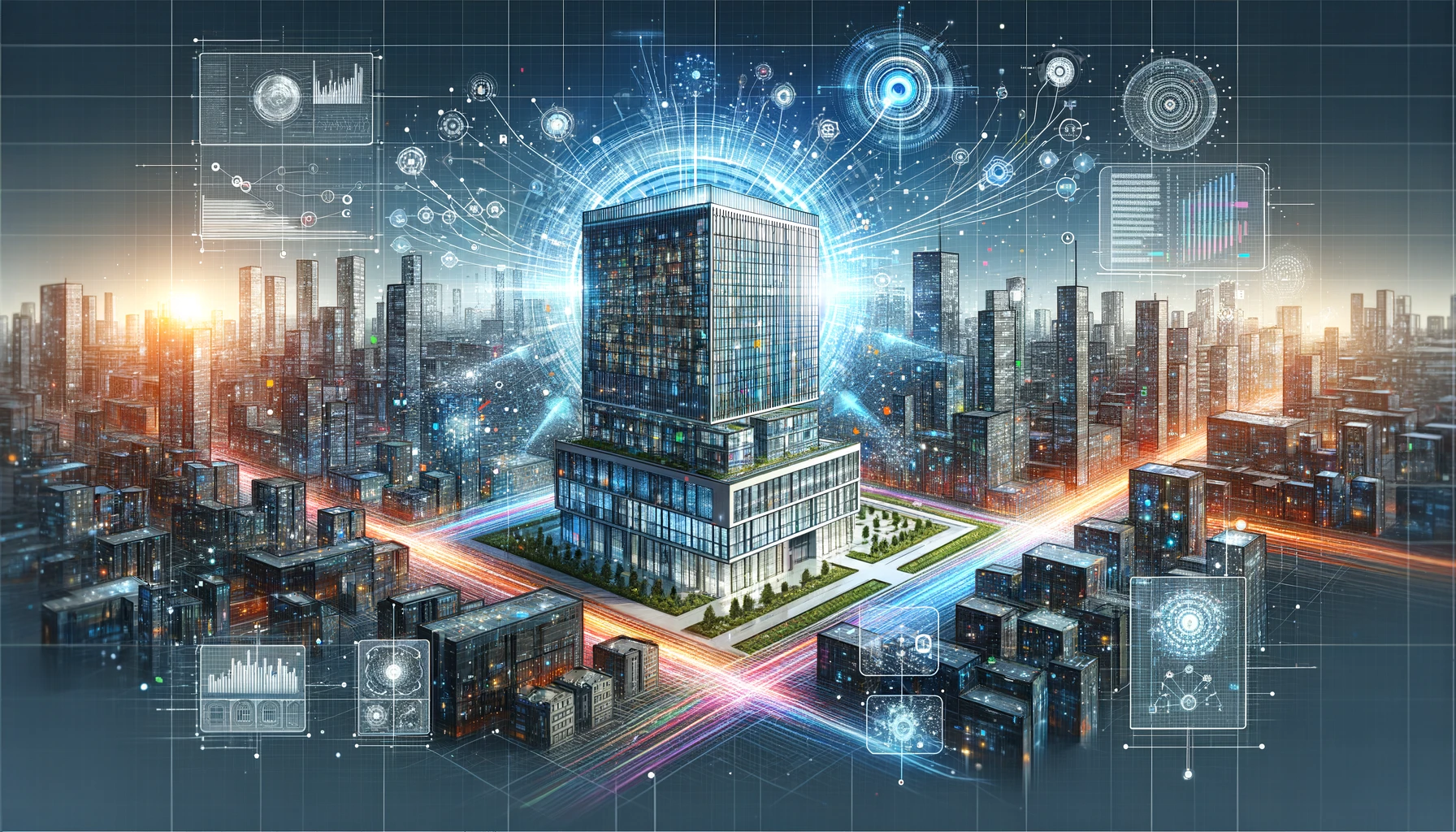
Hyperconnectivity refers to the integration of advanced technologies that enable seamless interaction between people, systems, and objects in urban environments. Smart buildings, on the other hand, are those that use digital technology to automate and optimize building operations, leading to enhanced efficiency, sustainability, and occupant experience. When combined, hyperconnectivity and smart buildings enable cities to unlock unprecedented economic, social, and environmental benefits.
The Benefits of Hyperconnected Smart Buildings
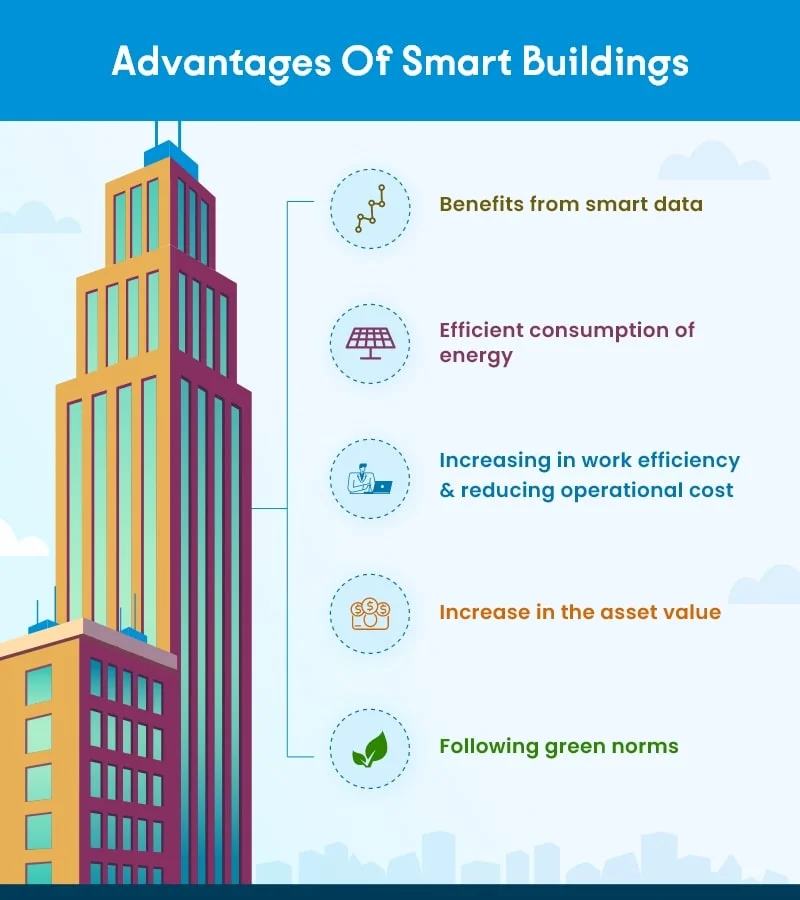
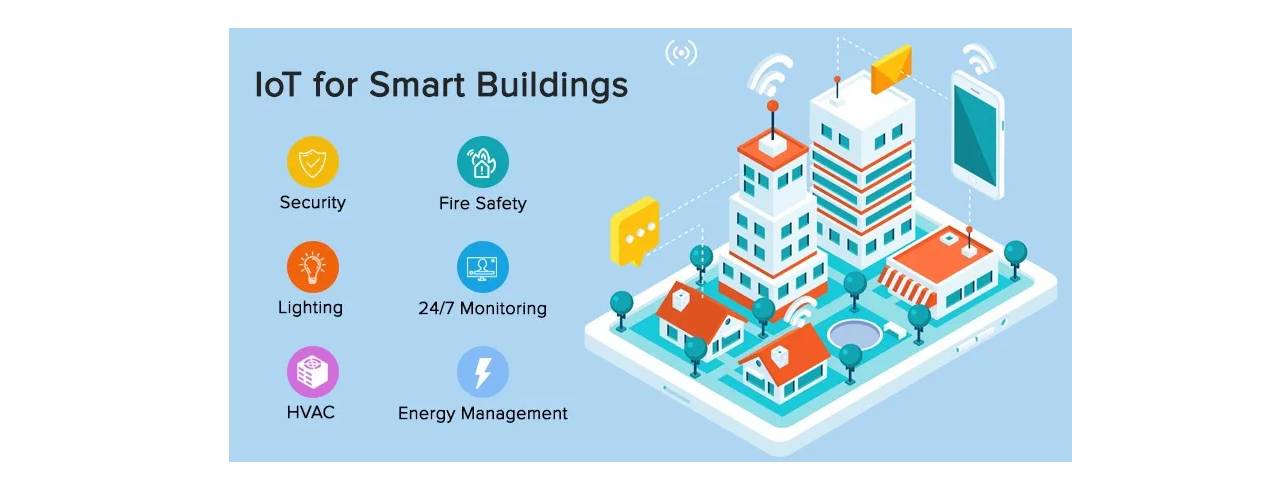
- Improved Energy Efficiency: By leveraging IoT technologies, smart buildings can optimize energy consumption, reducing greenhouse gas emissions and minimizing energy waste.
- Enhanced Occupant Experience: With advanced automation and user-centric design, smart buildings provide a more comfortable and enjoyable experience for occupants, leading to increased productivity and well-being.
- Increased Operational Efficiency: Smart building software enables seamless integration of systems, streamlining operations and reducing maintenance costs.
- Data-Driven Decision Making: With access to real-time data, building managers and owners can make informed decisions, driving growth and competitiveness.
The Risks of Digital Divide and Smart Cities
As cities transition to hyperconnected, smart environments, there is a risk of exacerbating the digital divide among different population groups. Individuals with limited access to technology or the internet risk being left behind. To mitigate this risk, smart city initiatives must prioritize digital accessibility and inclusivity.
Building a Hyperconnected City
According to ThoughtLab's Building a Hyperconnected City program, a year-long global study of 100 cities, hyperconnected cities are those that use advanced technologies to transform and interconnect their ecosystems. To become a hyperconnected city, urban centers need to:
- Invest in cutting-edge technologies such as IoT, AI, and 5G.
- Integrate data analytics and AI-driven decision making.
- Develop new business models and revenue streams.
- Empower citizens through transparent governance and inclusive participation.
Smart Buildings and the Future of Urban Development
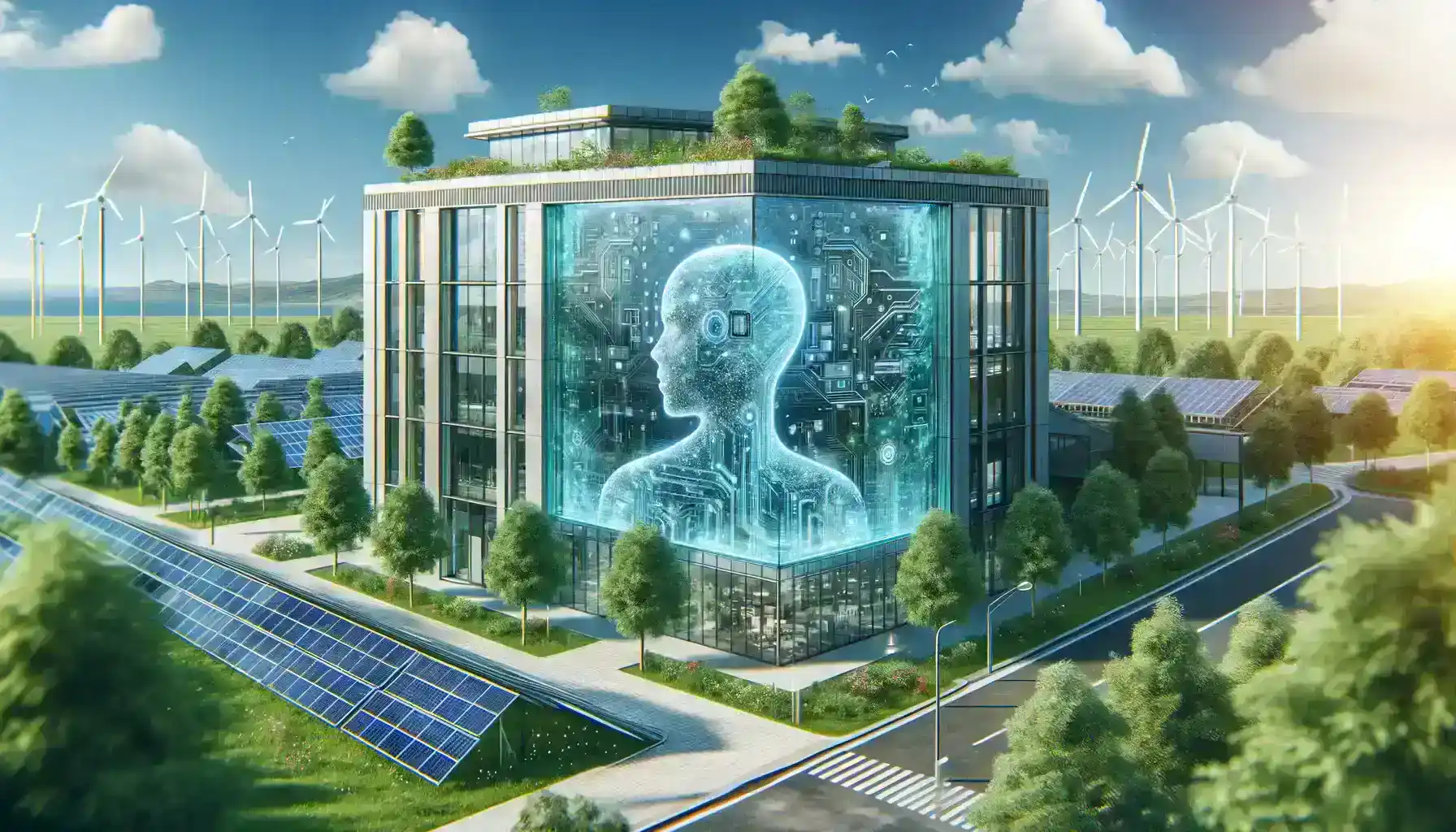
As the demand for smart cities and connected environments continues to grow, the role of smart buildings will become increasingly critical. By leveraging digital technology, automation, and IoT innovations, smart buildings can drive sustainability, energy efficiency, and occupant experience, transforming the urban landscape and paving the way for a more connected, efficient, and environmentally conscious future.
Conclusion
As we navigate the complexities of urban development, it is clear that hyperconnectivity and smart buildings will play a pivotal role in shaping the future of cities. By embracing digital technologies and prioritizing sustainability, efficiency, and inclusivity, we can create thriving, hyperconnected cities that benefit both citizens and the environment.
By understanding the potential of hyperconnectivity and smart buildings, urban leaders and developers can:
- Creates thriving, sustainable cities that drive economic, social, and environmental growth.
- Empower citizens through transparent governance and inclusive participation.
- Unlock new business models and revenue streams.
- Drive energy efficiency, reduce waste, and promote sustainable development.