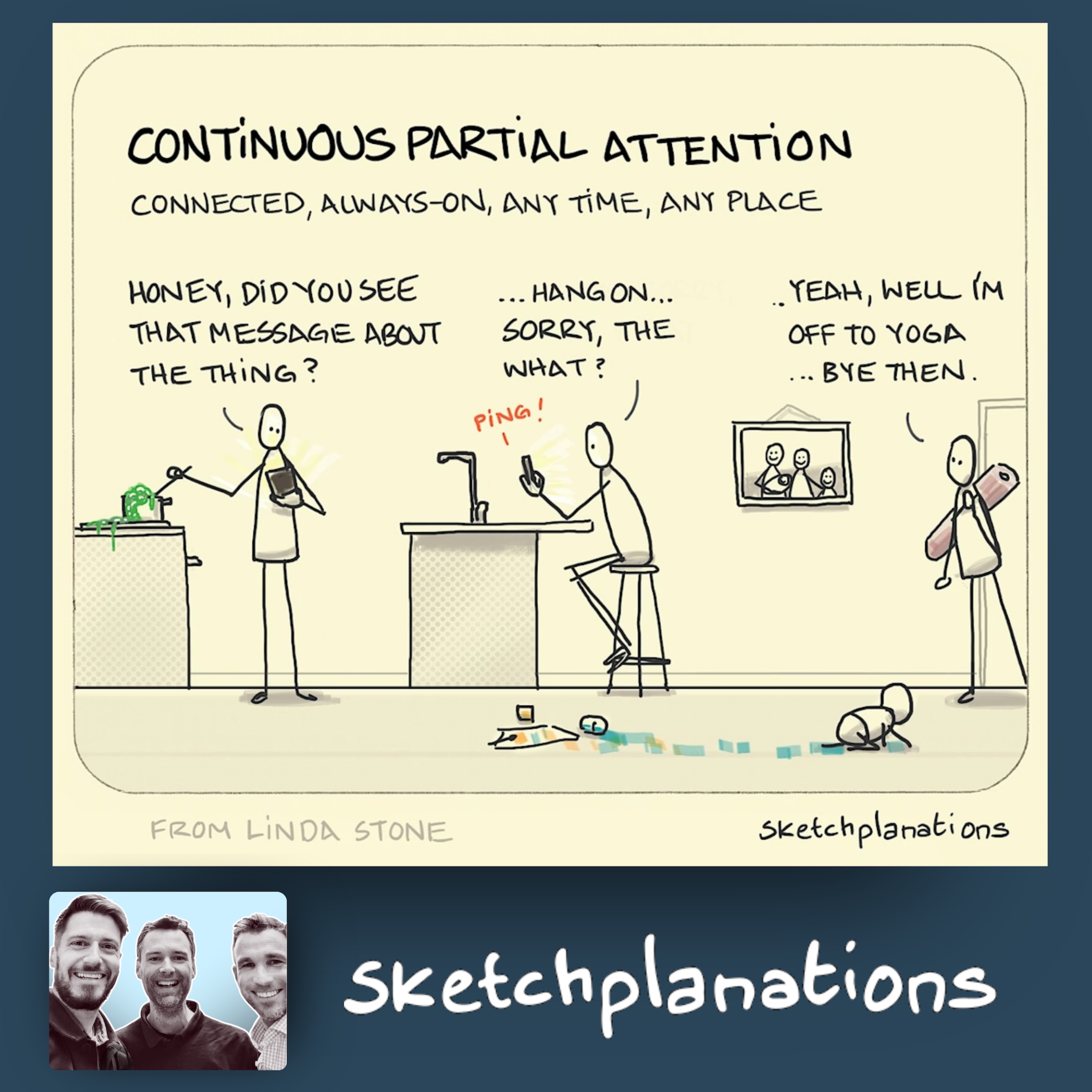
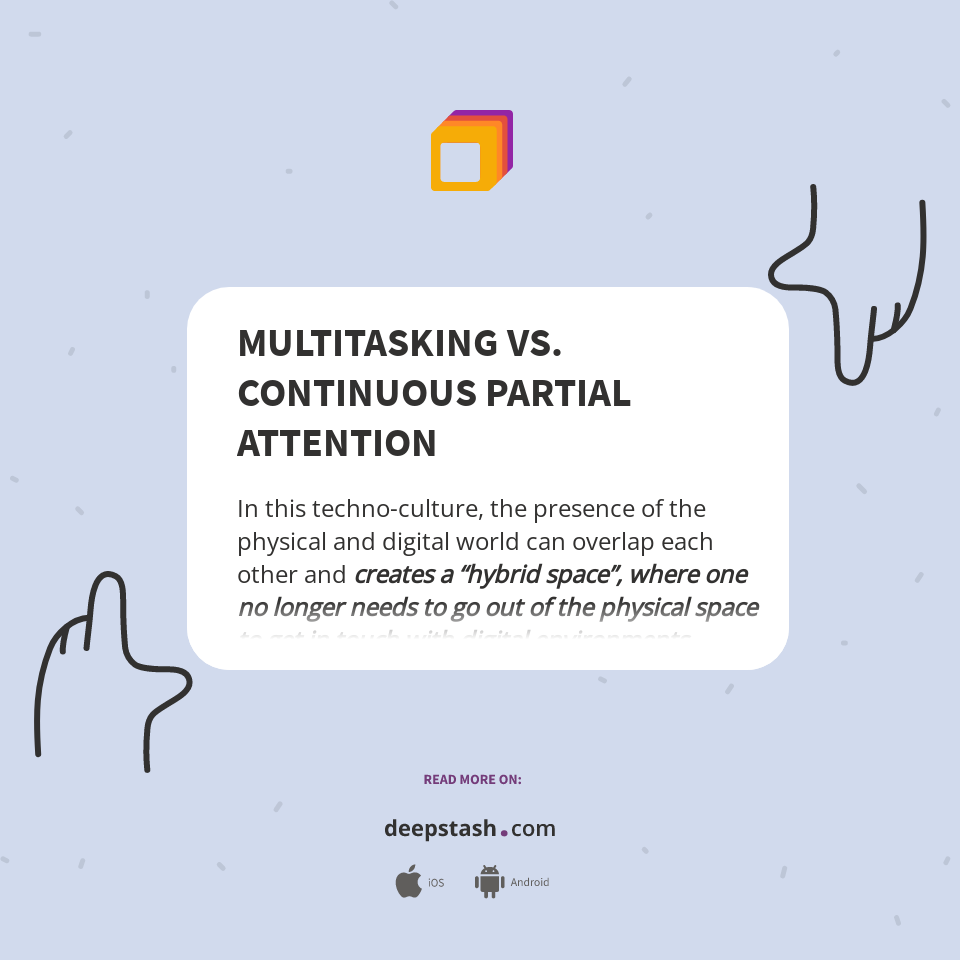
Managing Continuous Partial Attention in a Noisy Office Environment
Working in a noisy environment can feel like trying to read a book at a rock concert. Whether you're in an open office, shared workspace, busy café, or dealing with construction noise, maintaining focus requires specific strategies that go beyond simply "tuning out" the noise.
The Impact of Noise on Concentration
Studies consistently show that background noise reduces our ability to process information, increases stress levels, and leads to more errors. In fact, research suggests that noise levels can decrease productivity by up to 66%. This is because our brains are wired to respond to noise, making it difficult to focus on tasks that require concentration.
Understanding the Sources of Noise in the Workplace
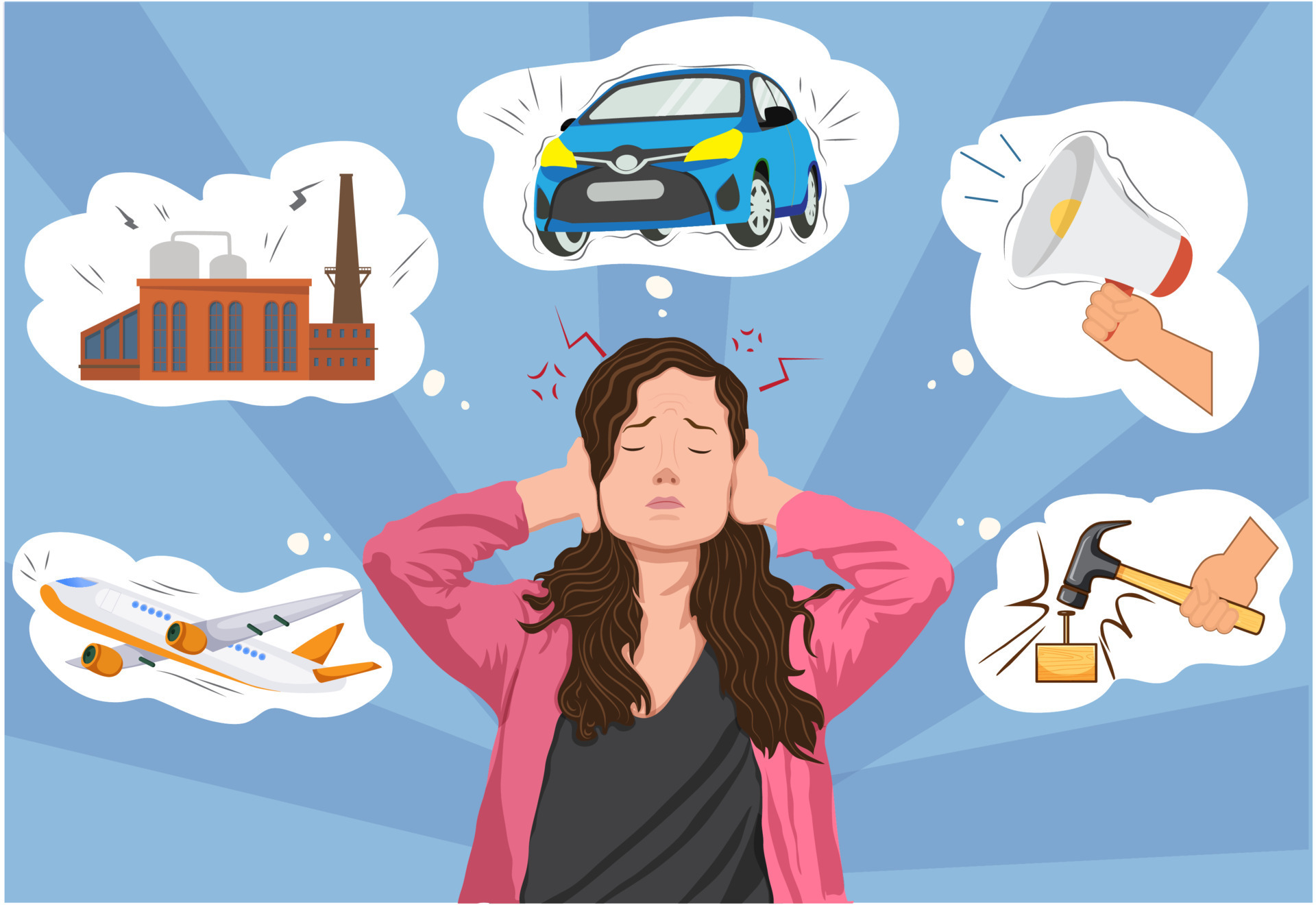
- Construction and renovation noise
- Colleagues talking on the phone or in person
- Background noise from air conditioning or machinery
Strategies to Improve Focus in Noisy Environments
Fortunately, there are several strategies that can help improve focus in noisy environments:
- Use noise-canceling headphones or earplugs to block out distractions
- Create a designated workspace with minimal noise and implement a structured schedule
- Use productivity techniques such as the Pomodoro Technique to break down tasks into smaller segments
- Color-code tasks to prioritize and focus on essential tasks
- Establish boundaries with colleagues to minimize interruptions
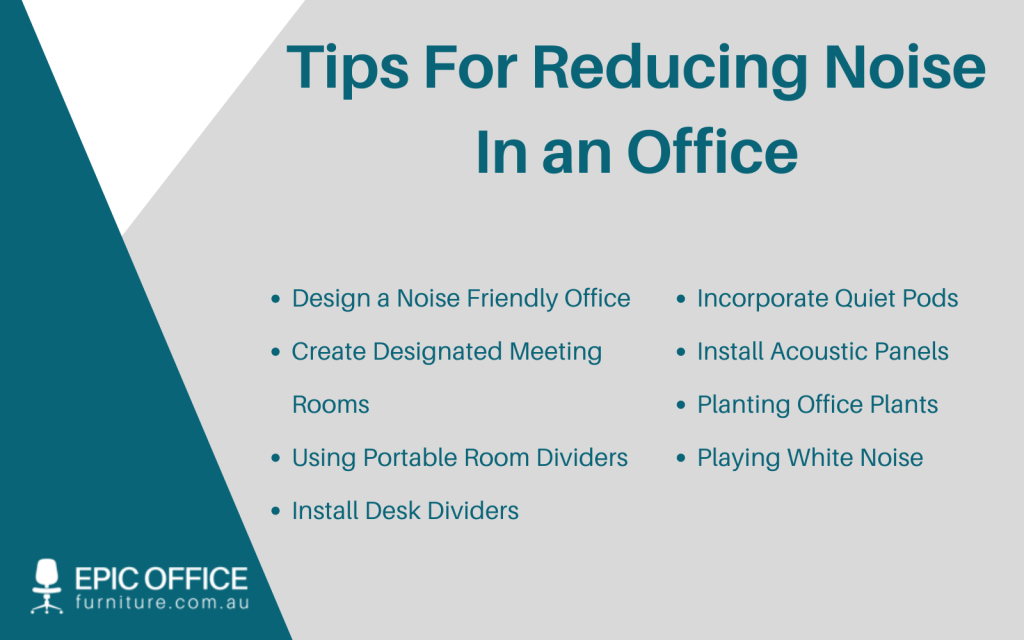
- Use sound-absorbing materials or acoustic panels to reduce noise levels
- Implement break times to give employees a chance to recharge and refocus

Coping Mechanisms for Managing Noise-Related Stress
Managing continuous partial attention in a noisy office environment requires more than just physical strategies. We must also address the emotional and psychological impact of noise-related stress. Here are some coping mechanisms to help you manage:
- Practice relaxation techniques such as deep breathing or meditation
- Engage in physical activity to reduce stress and anxiety
- Set clear boundaries with colleagues and management to minimize noise-related stress
- Use noise-reducing apps or software to create a more peaceful environment
- Consider noise-cancellation solutions such as soundproofing or acoustic panels
Long-Term Effects of Noise on Mental Health
Continuous exposure to noise in the workplace can have long-term effects on mental health, including anxiety, depression, and burnout. As employees, it's essential to advocate for noise-reducing solutions and maintain a healthy work-life balance to mitigate these effects.
Conclusion
Managing continuous partial attention in a noisy office environment requires a multi-faceted approach that includes physical, emotional, and psychological strategies. By understanding the impact of noise on concentration and implementing effective solutions, you can improve focus, productivity, and overall well-being in your workspace.