Hyperconnectivity and Cyberbullying Prevention: A Growing Concern in the Digital Age
The increasing use of technology and social media has led to a new form of bullying – cyberbullying. This phenomenon can have serious negative consequences on the mental, social, and physical health of individuals, particularly adolescents. In this article, we will explore the concept of hyperconnectivity, the impact of cyberbullying, and effective prevention strategies to address this issue.
The Risks of Cyberbullying
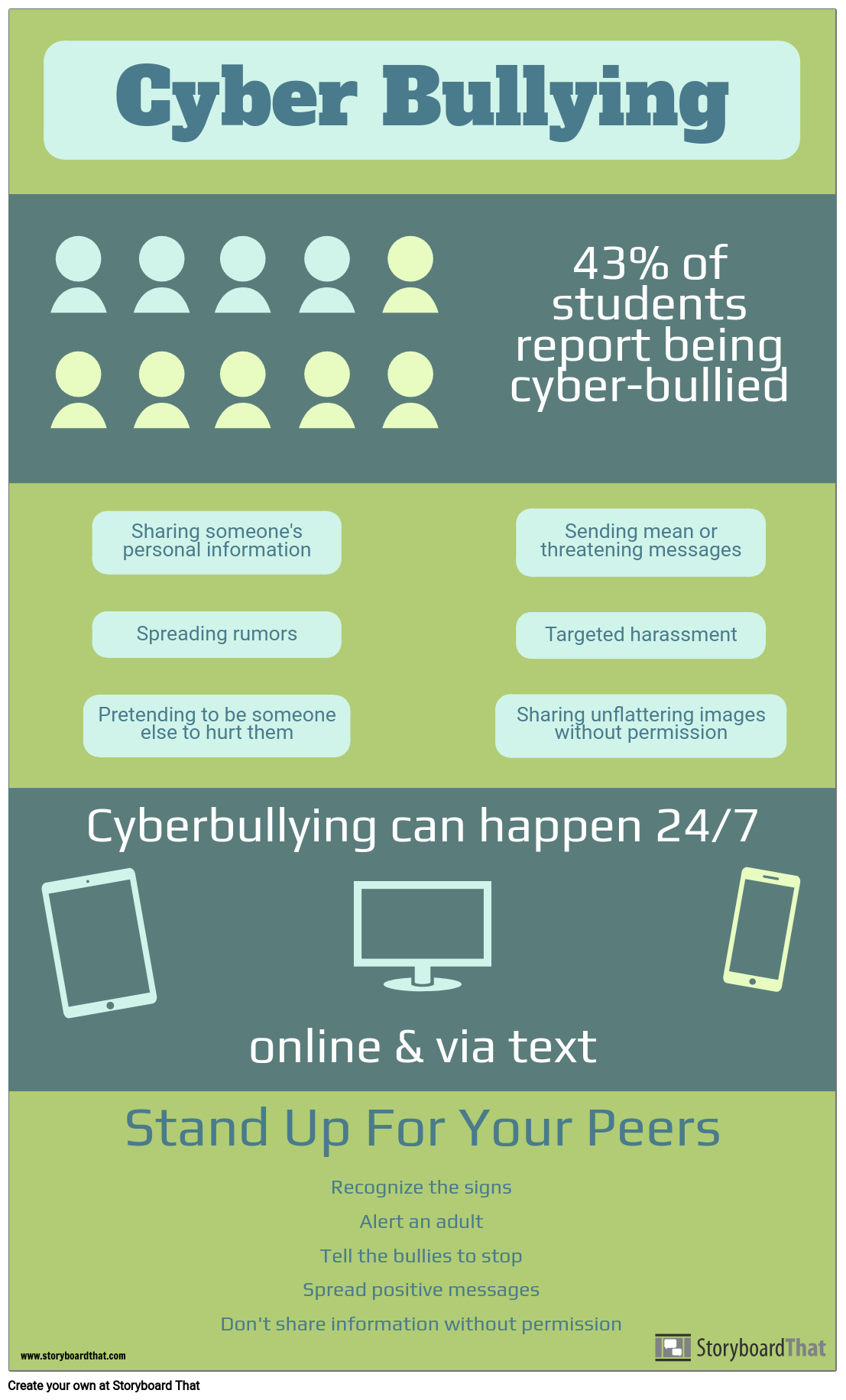
Cyberbullying is a type of bullying that takes place through digital technologies, such as social media, messaging apps, and online gaming. It can involve sending hurtful or threatening messages, sharing embarrassing pictures or videos, and even hacking into someone's online accounts. Cyberbullying can lead to feelings of anxiety, depression, and even suicidal thoughts in victims.

The Consequences of Hyperconnectivity
Hyperconnectivity, or the ability to connect with others through technology, can exacerbate cyberbullying. When individuals are constantly connected, they are more likely to experience social isolation, decreased empathy, and increased stress levels. This can lead to a breakdown in mental health and a rise in