Rapid Sleep Tips: Mastering the Art of Falling Asleep Quickly
Falling asleep can be a daunting task for many of us, especially in today's fast-paced world where stress and anxiety are on the rise. However, with the right strategies and techniques, you can train yourself to fall asleep quickly and wake up feeling refreshed and rejuvenated. In this article, we will explore the best rapid sleep tips to help you improve your sleep hygiene and get the restful sleep you deserve.
Why Sleep Matters
Getting a good night's sleep is essential for both physical and mental health. During sleep, our body repairs and regenerates itself, releasing hormones that help build and repair tissues, bone, and muscles. Sleep also plays a critical role in brain function, including the processing and consolidation of memories. However, with the increasing demands of modern life, many people struggle to get enough sleep, which can lead to a range of health problems, including obesity, diabetes, and heart disease.
The Benefits of Rapid Sleep Tips
Employing rapid sleep tips can have a profound impact on your overall health and wellbeing. By falling asleep quickly, you can reduce stress and anxiety, improve your mood, and increase your energy levels. Additionally, getting enough sleep can help you function at your best, both physically and mentally, making it easier to tackle daily tasks and challenges.
The Best Rapid Sleep Tips
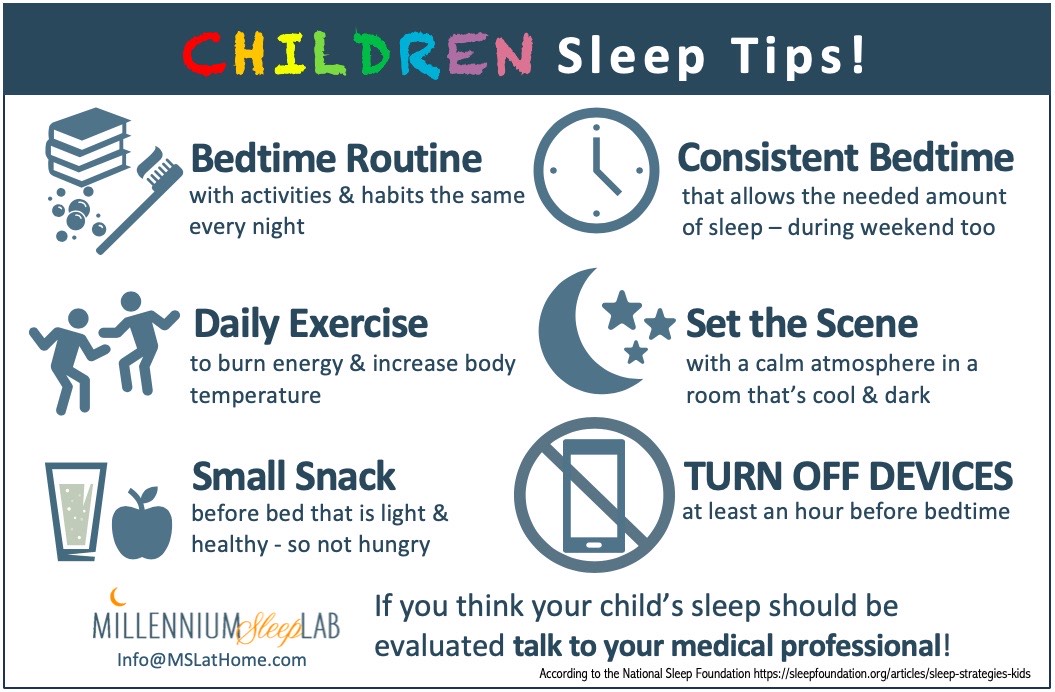
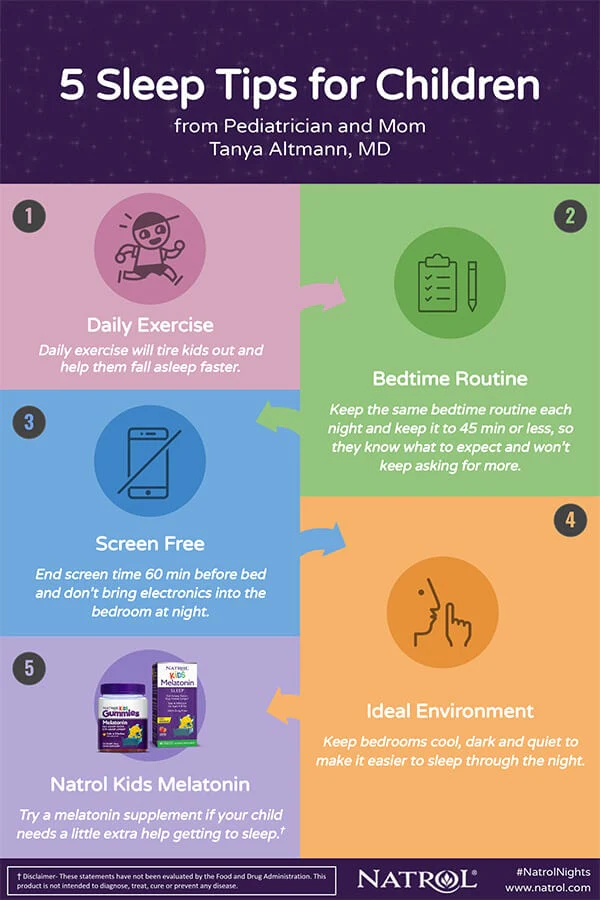
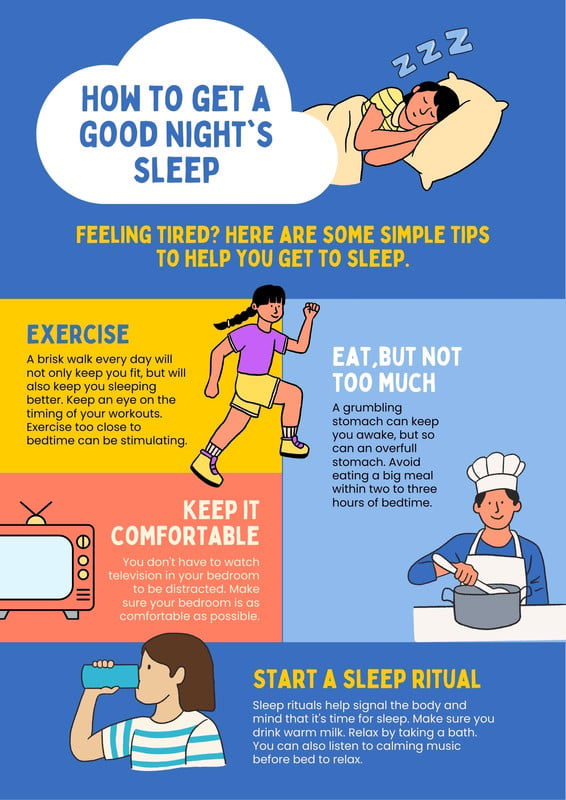
- 1. Establish a Consistent Sleep Schedule: Going to bed and waking up at the same time every day, including weekends, can help regulate your body's internal clock and improve the quality of your sleep.
- 2. Create a Relaxing Sleep Environment: Make your bedroom a sleep haven by ensuring it is dark, quiet, and cool. Consider using earplugs, an eye mask, or a white noise machine to create the perfect sleep environment.
- 3. Practice Relaxation Techniques: Regularly practicing relaxation techniques, such as deep breathing, progressive muscle relaxation, or meditation, can help calm your mind and body, making it easier to fall asleep.
- 4. Avoid Screens Before Bedtime: The blue light emitted by smartphones, tablets, and computers can suppress the production of melatonin, the hormone that regulates sleep. Try to avoid screens for at least an hour before bedtime.
- 5. Get Regular Exercise: Regular physical activity can help improve sleep quality, but avoid vigorous exercise within a few hours of bedtime as it can stimulate your body and make it harder to fall asleep.
- 6. Try Aromatherapy: Certain scents, such as lavender and vanilla, can promote relaxation and help you fall asleep faster. Use essential oils in a diffuser or apply them to your skin before bed.
- 7. Write Down Your Thoughts: Keeping a journal before bed can help clear your mind and process any thoughts or emotions that may be keeping you awake.
- 8. Try Progressive Muscle Relaxation: This technique involves tensing and relaxing different muscle groups to release physical tension and promote relaxation.
- 9. Use Visualization Techniques: Imagine yourself in a peaceful, relaxing environment to help calm your mind and body.
- 10. Get Some Morning Sunlight: Exposure to natural light in the morning helps regulate your circadian rhythms, making it easier to fall asleep at night.
Conclusion
Falling asleep quickly and waking up feeling refreshed and rejuvenated is within reach with the right rapid sleep tips. By incorporating these strategies into your daily routine, you can improve your sleep hygiene, reduce stress and anxiety, and increase your energy levels. Remember, getting enough sleep is essential for both physical and mental health, so make it a priority and start implementing these rapid sleep tips tonight.