FOMO and its Effects on Happiness: Understanding the Fear of Missing Out
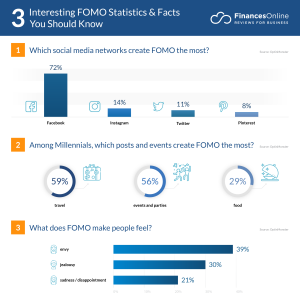
In today's digital age, it's easy to get caught up in the fear of missing out, or FOMO. Social media platforms like Instagram, Facebook, and Twitter constantly bombard us with curated content, making it seem like everyone else is living a more exciting, adventurous, and fulfilling life. This can lead to feelings of inadequacy, anxiety, and depression, ultimately impacting our happiness.
What is FOMO?
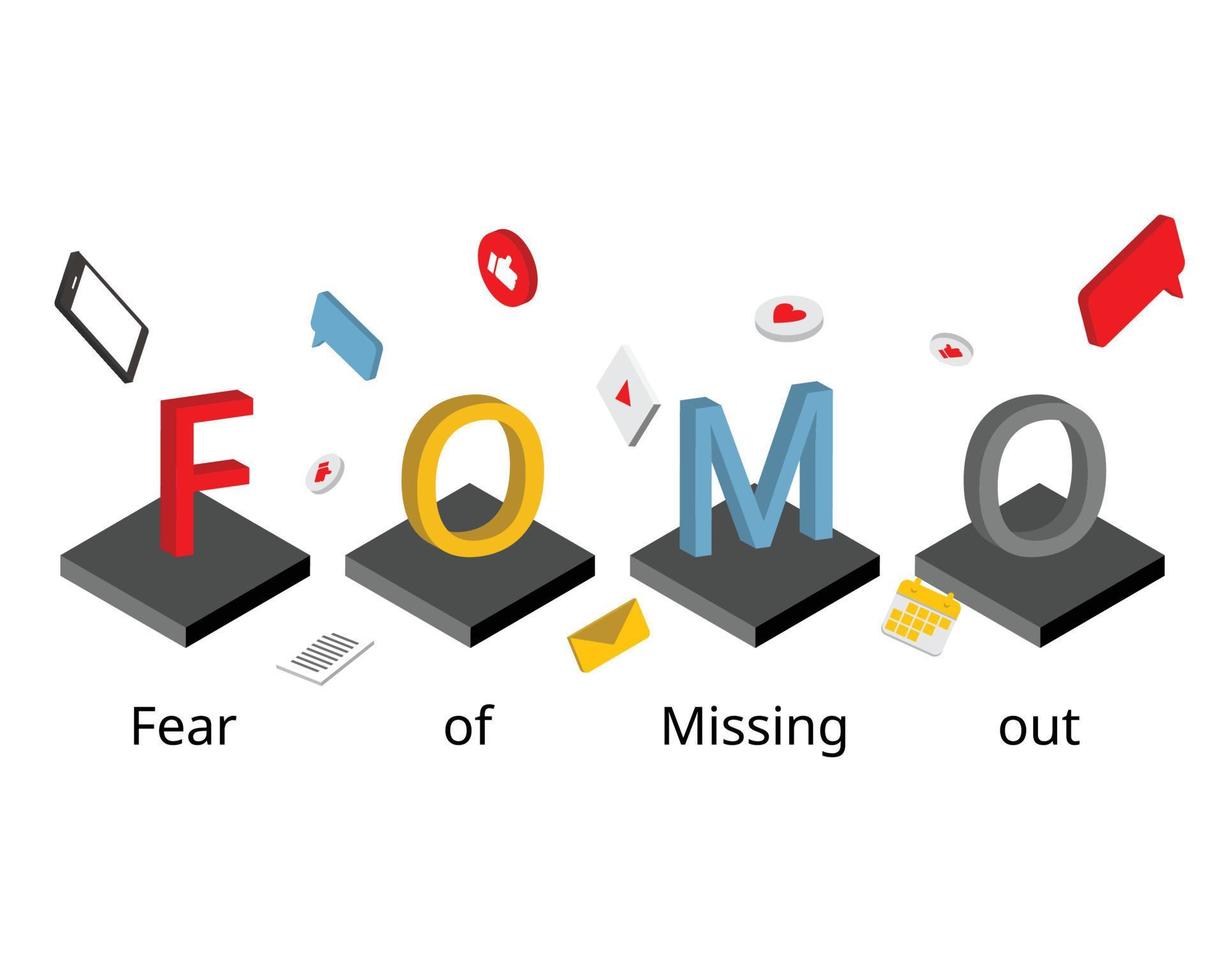
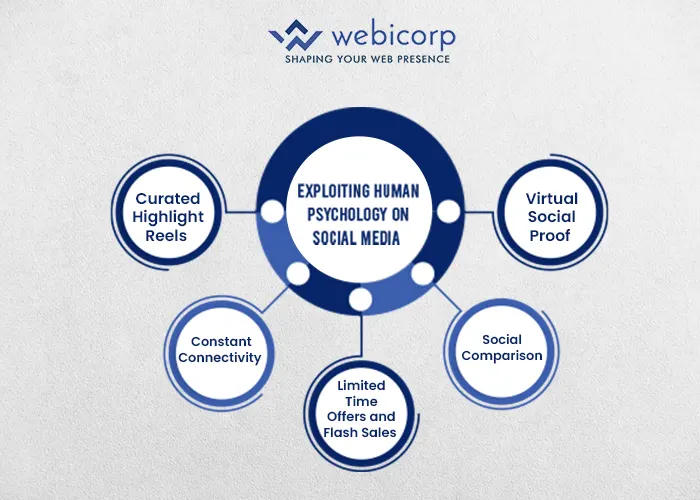
FOMO is a phenomenon where individuals feel anxious or tense when thinking about missing out on social events, experiences, or opportunities. It's a fear that's fueled by social media, where people often present a highlight reel of their lives, making it seem like they're always having fun.
How Does FOMO Affect Happiness?
- Increased anxiety: Constantly worrying about what others are doing and whether you're missing out can create a perpetual state of unease, affecting various aspects of life, including work, relationships, and personal happiness.
- Depression and loneliness: The feeling of being left out or not being part of a group can lead to depression and loneliness, further impacting overall happiness.
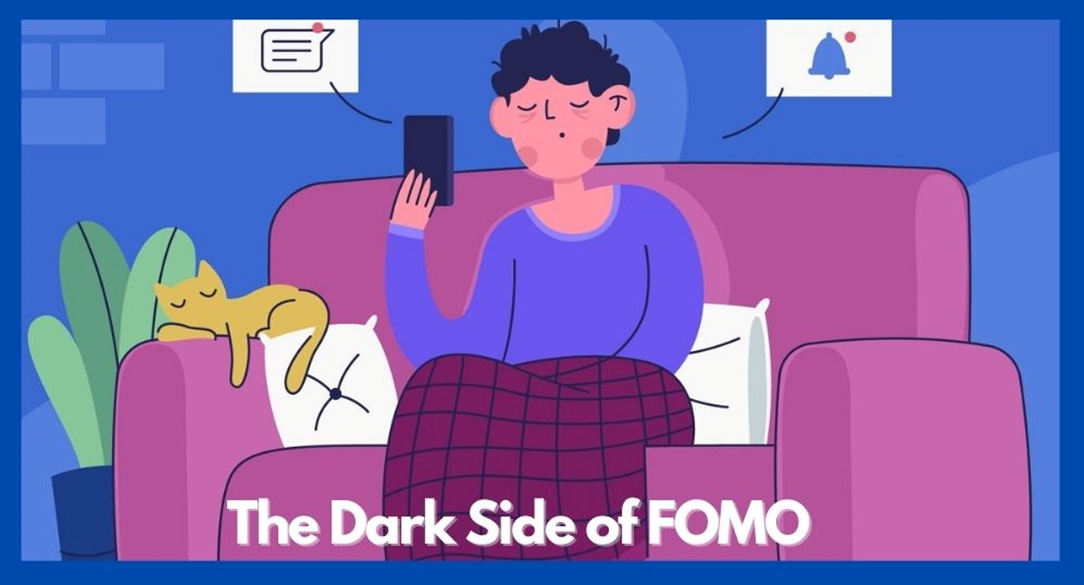
- Negative impact on mental health: FOMO can lead to increased stress levels, worsen anxiety, and even contribute to the development of nomophobia, a fear of being without a phone or other device.
Why is FOMO More Prevalent in Younger Generations?
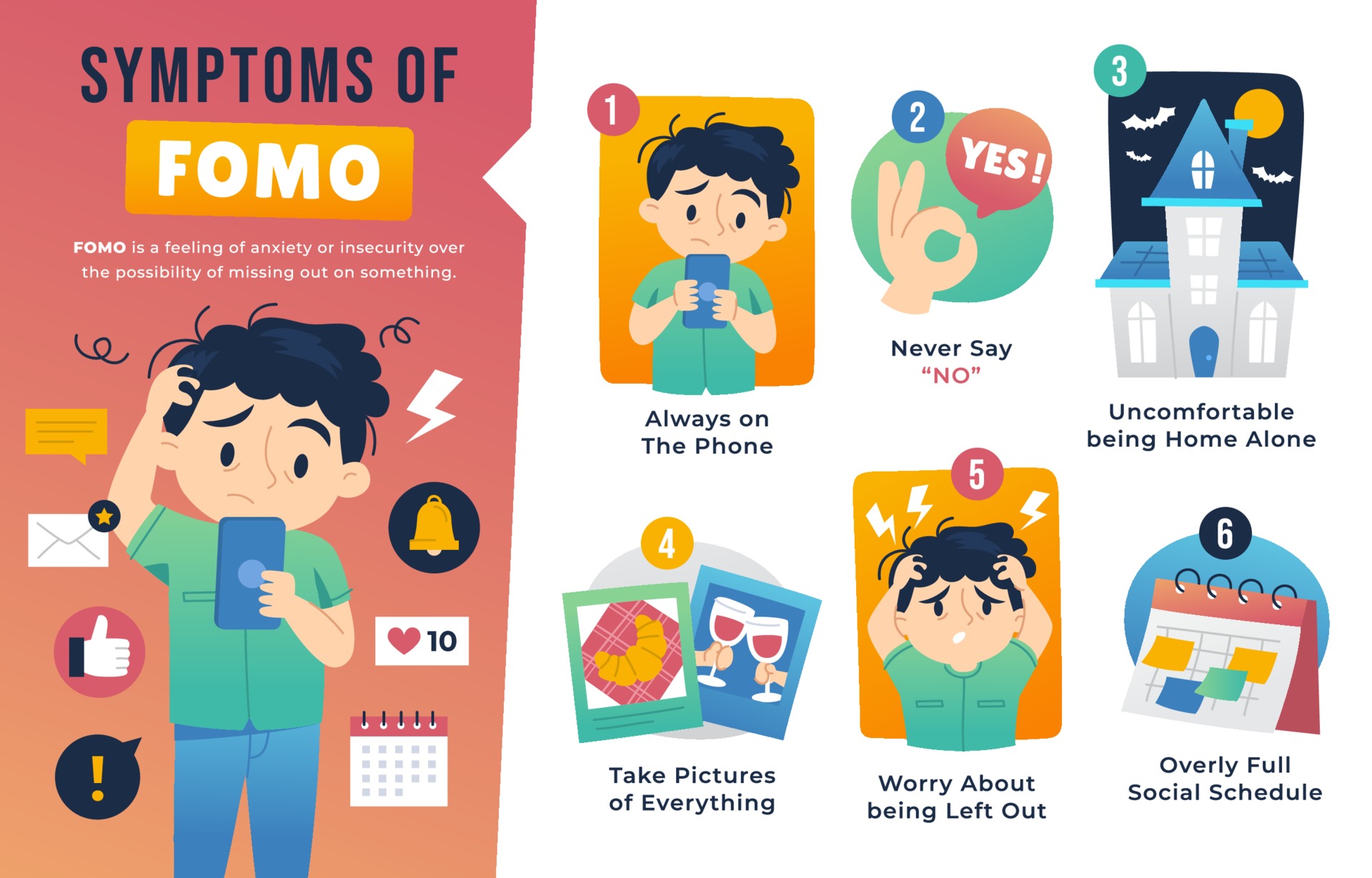
Younger generations, such as Generation Z, have grown up with smartphones and social media, making them more vulnerable to the psychological effects of FOMO. Social media has become an integral part of their daily lives, and they're constantly exposed to curated content that can fuel unhealthy comparisons and anxiety.
Recognizing and Managing FOMO
To mitigate the effects of FOMO on happiness, it's essential to acknowledge the curated nature of social media and take steps to overcome its pressures:
- Take breaks from social media: Regularly disconnect from social media to reduce exposure to curated content and comparison.
- Practice gratitude: Focus on the things you're grateful for, rather than comparing yourself to others.
- Focus on personal experiences: Prioritize real-life experiences and memories over social media highlights.
- Seek support: Talk to friends, family, or a therapist about your FOMO concerns and develop strategies to manage it.
Conclusion
FOMO can have significant effects on happiness, leading to increased anxiety, depression, and negative impacts on mental health. Recognizing and managing FOMO requires a combination of self-awareness, digital media literacy, and support. By taking steps to mitigate its effects, individuals can cultivate a greater sense of happiness and well-being in their daily lives.