Understanding Social Networking Addiction Treatment
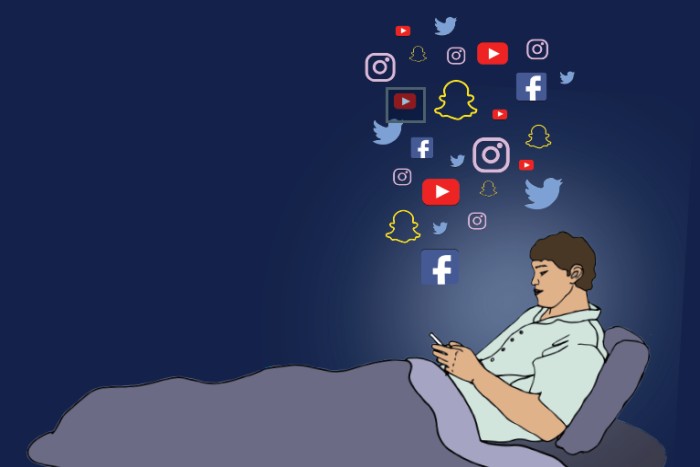
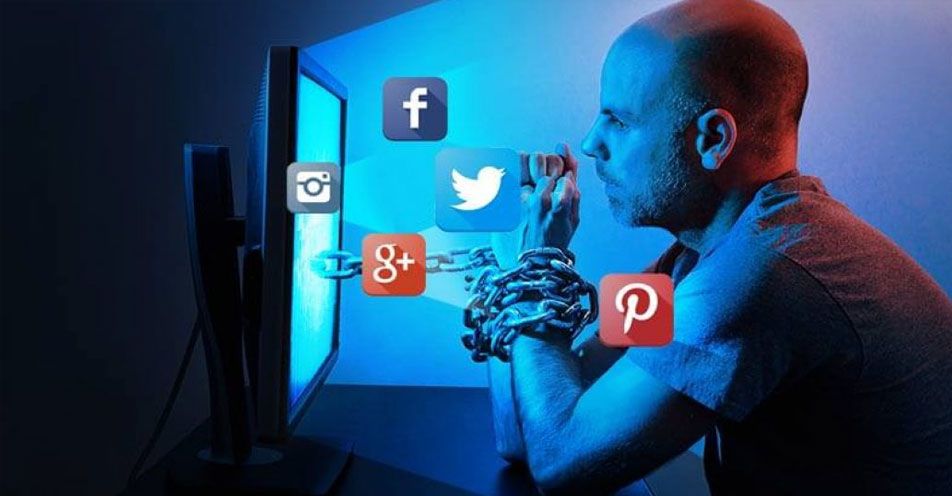
Social networking addiction treatment is a growing concern in today's digital age. With the proliferation of social media, it's not uncommon for people to spend excessive amounts of time on platforms like Facebook, Instagram, and Twitter. While social media can be a valuable tool for connecting with others, excessive use can lead to negative consequences, including negatively impacting mental and physical health, relationships, and daily life.
Recognizing the Signs and Symptoms of Social Networking Addiction
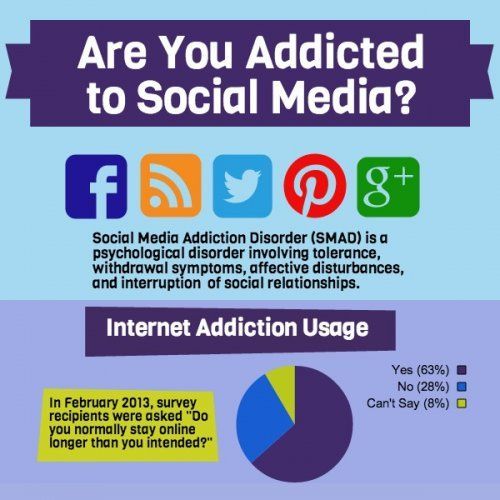
Social networking addiction is a form of behavioral addiction, characterized by an uncontrollable urge to check feeds, scroll content, or engage online, even when it interferes with work, school, sleep, or relationships. The signs and symptoms of social networking addiction include:
- Spending excessive time on social media platforms
- Neglecting real-life relationships and responsibilities
- Experiencing withdrawal symptoms when not using social media
- Using social media to escape reality
- Feeling anxious or restless when unable to access social media
- Continuing to use social media despite negative consequences
The Consequences of Social Networking Addiction
Excessive social media use has been linked to various negative consequences, including:
- Mental health problems, such as depression and anxiety
- Sleep disturbances
- Negatively impacting relationships
- A decreased attention span
- Decreased productivity
- Decreased self-esteem
Social Networking Addiction Treatment Options
If you or someone you know is struggling with social networking addiction, there are various treatment options available. These include:
- Seeking professional help from a therapist or counselor
- Participating in a social media detox program
- Setting boundaries around social media use
- Installing software to track and limit social media use
- Joining a support group
- Prioritizing offline activities and hobbies
Strategies for Recovery
Recovering from social networking addiction requires patience, self-awareness, and a willingness to change. Strategies for recovery include:
- Identifying triggers and learning to avoid them
- Re-establishing a healthy balance between online and offline life
- Developing coping skills and healthy alternatives to social media use
- Prioritizing face-to-face interactions and relationships
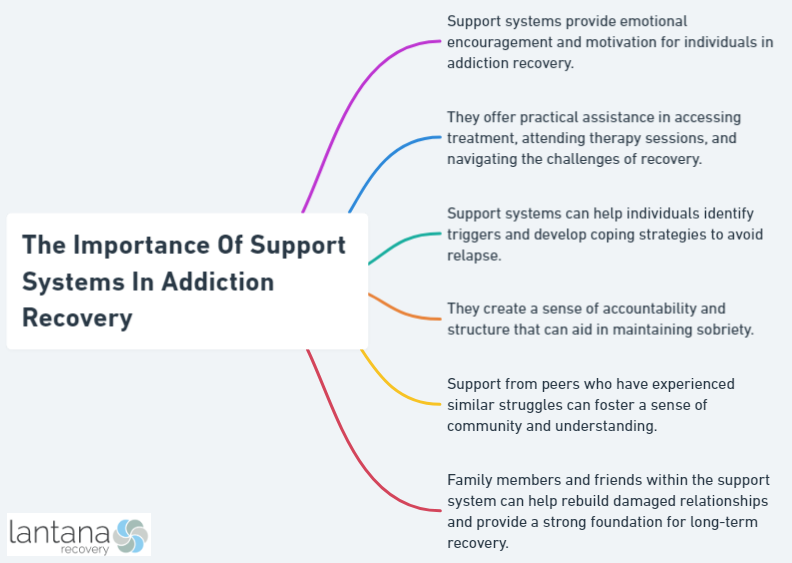
- Seeking support from family and friends
Conclusion
Social networking addiction treatment is a growing concern in today's digital age. Recognizing the signs and symptoms of social networking addiction, as well as the consequences of excessive social media use, is the first step toward recovery. There are various treatment options available, including seeking professional help, participating in social media detox programs, and developing healthy strategies for recovery. By addressing social networking addiction, individuals can improve their mental and physical health, relationships, and daily life.