Discord Server Configuration Guide
Setting up a Discord server is easy with this comprehensive guide. Whether you're building a community for gaming, study groups, or other hobbies, we'll walk you through the steps to create a server that meets your needs.
Understanding Discord Server Configuration
Discord is a quickly growing text and voice chat application aimed at gamers—but not just for gamers. Its sleek and simple design makes it an excellent alternative to apps like Teamspeak and Skype. It's easy and free to get started with your own Discord server.
Step-by-Step Guide to Setting Up a Discord Server
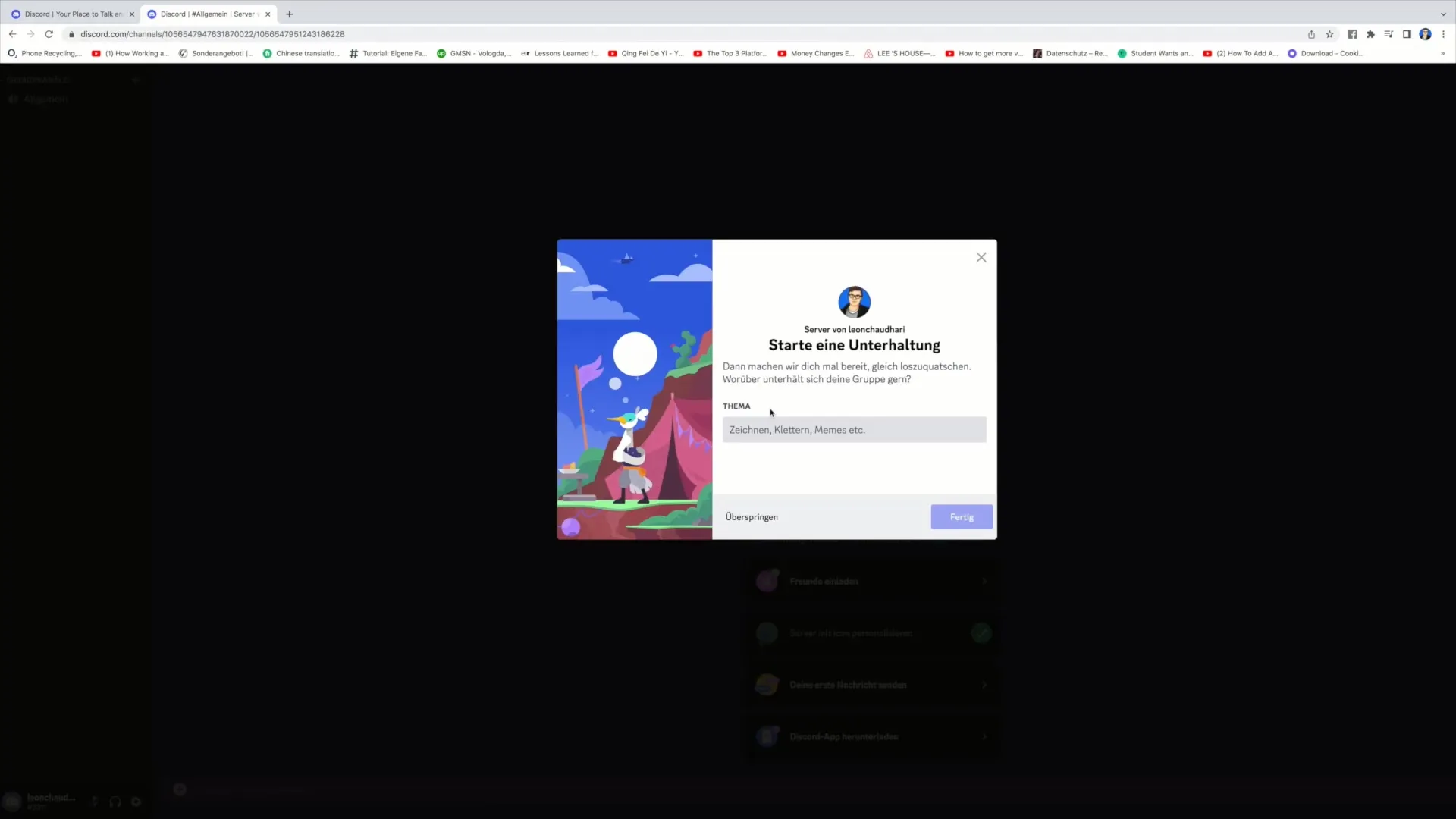
Creating a Discord server is straightforward. First, you must either download the Discord app or access it through a web browser. From there, you can create a new server or join an existing one. Here's a quick walkthrough to get you started:
- Create a new Discord account or log in to an existing one.
- Click on the "Create a Server" button.
- Choose a name for your server and add a description (optional).
- Select a server region to determine the location of your server.
- Set up basic server settings, such as language, timezone, and default channel settings.
- Add roles, channels, and configure permissions as needed.
Configuring Roles and Permissions
Roles and permissions are essential to maintaining order and organization in your Discord server. Here's how to configure them:
- Go to the "Roles" section in the server settings.
- Select "Add Role" and assign a specific name, color, and permissions to that role.
- Assign roles to members of the server as necessary to control who can see, talk, or do other actions on the server.
Creating Voice and Text Channels
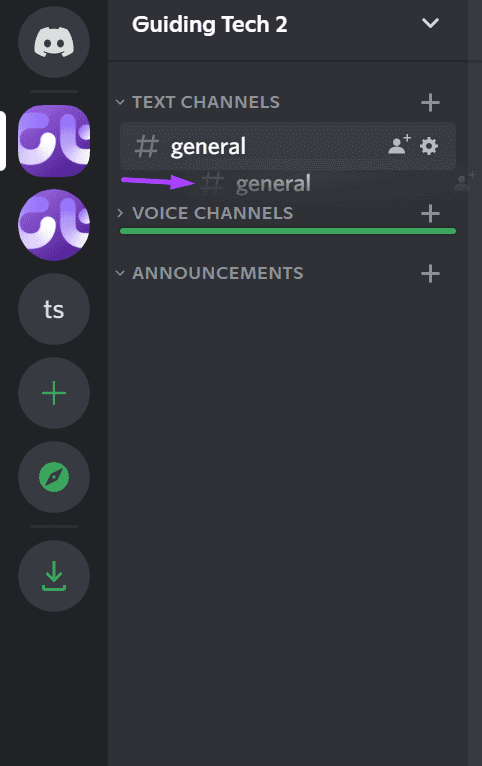
Channels are where the magic happens in Discord. Here's how to create voice and text channels:
- Click the plus sign (+) next to "Channels" in the server settings.
- Select "Voice Channel" or "Text Channel" depending on your needs.
- Name the channel and add a description (optional).
- Set up channel settings, such as permissions, language, and bitrate (for voice channels).
Essential Discord Settings to Check
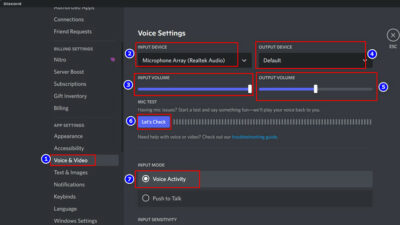
Before troubleshooting voice, audio, or video issues in Discord, check these basic settings first:
- Audio/Video Settings: Ensure your mic, speakers, or headphones are properly connected and configured.
- Volume and Quality Settings: Adjust volume and quality settings to optimize your audio and video experience.
- Input/Output Settings: Verify that your input and output settings are correctly set up.
Additional Tips and Resources
Want to take your Discord server to the next level? Here are some additional tips and resources to explore:
- Bots: Discover the power of Arcane, the ultimate Discord bot offering leveling, moderation, logging, custom commands, and more.
- Bots: Add bots to your server safely and effectively with our step-by-step guide.
- Discord Communities: Join communities dedicated to modding, role-playing, and other activities to connect with like-minded users.
- Security and Compliance: Stay on top of security and compliance best practices to protect your server and its members.
Conclusion
With this comprehensive guide, you're now well-equipped to create and configure your own Discord server. Remember to stay organized, assign roles and permissions effectively, and keep your settings up to date to ensure a smooth and enjoyable experience for your community.