Witnessing Phubbing: A Growing Concern in Relationships
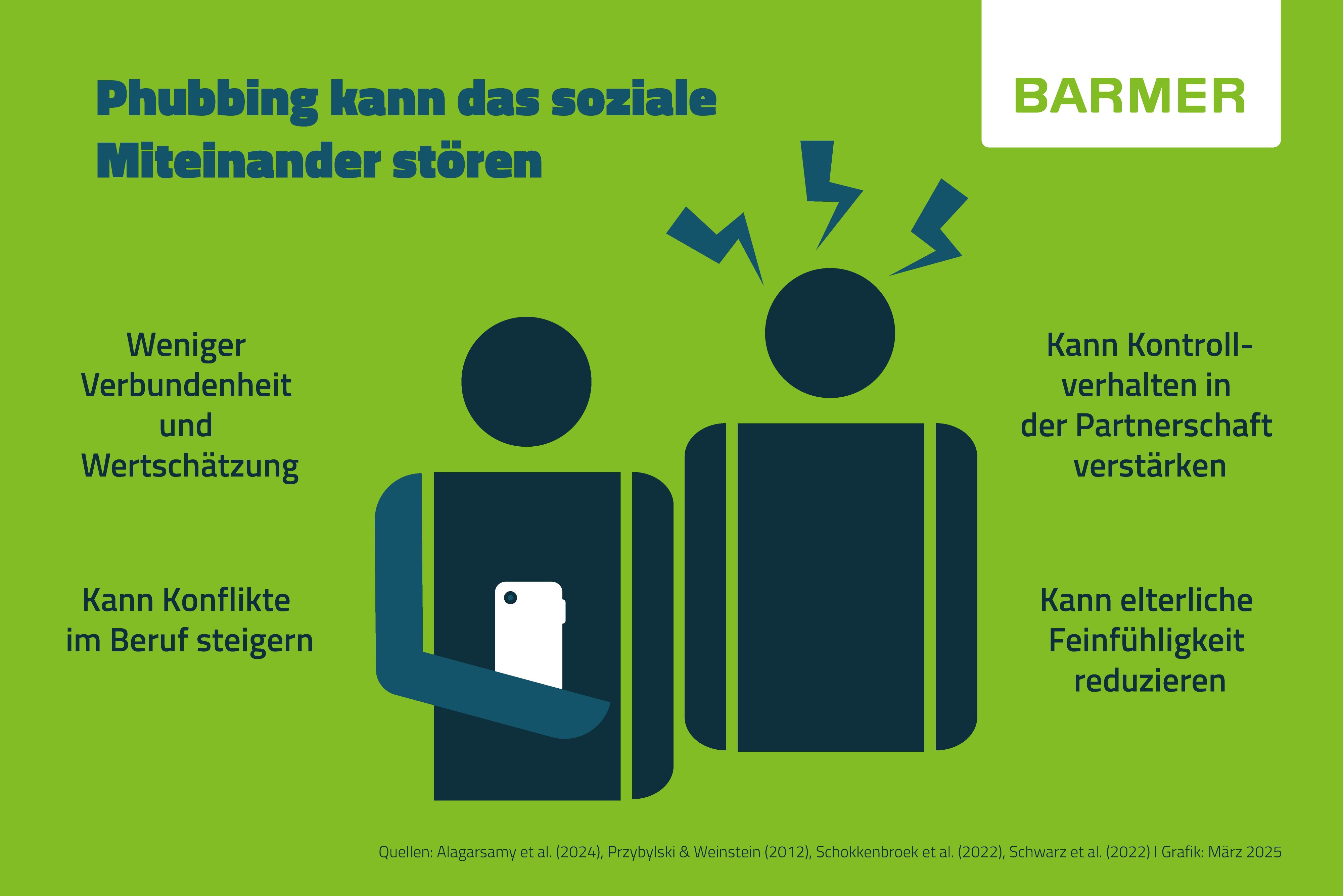
Phubbing, or phone snubbing, refers to the act of prioritizing phone use over face-to-face interactions with others. This behavior has become a common issue in today's digital age, impacting relationships and emotional connections. As a bystander, witnessing phubbing can be frustrating and even hurtful. In this article, we will discuss the steps to take when witnessing phubbing and provide practical tips to combat smartphone addiction.
The Importance of Acknowledging Phubbing
Before we dive into the steps to take when witnessing phubbing, it's essential to acknowledge its presence in our lives. Identifying indications of phubbing is crucial in understanding how to address it. ?onymatic examples of phubbing include:
- Prioritizing phone use over interacting with others
- Engaging in phone activities, such as texting or scrolling through social media, during face-to-face conversations
- Not making eye contact or responding to others due to phone distractions
- Constantly checking the phone during conversations or meetings
Steps to Take When Witnessing Phubbing
Witnessing phubbing can be a challenging situation, especially if you're on the receiving end. However, there are steps you can take to address this behavior politely and effectively:
Step 1: Calmly Address the Behavior
When you witness phubbing, calmly and gently point out the behavior to the individual. This can be done by saying, "Excuse me, I noticed that you're on your phone during our conversation. I'd love to chat with you without distractions."
Step 2: Explain the Impact
People may not realize the impact of their phubbing behavior on others. Explain how their actions make you feel and why it's essential to engage with others face-to-face. Use "I" statements to express your feelings and avoid blaming language.
Step 3: Encourage Phone-Free Time

Encourage the individual to put away their phone for a specific period, such as during meals or conversations. This can help them understand the value of face-to-face interactions and develop healthy phone habits.
Step 4: Set Boundaries
Establish clear boundaries and expectations for phone use in social situations. For example, you can say, "When we're spending time together, I'd appreciate it if you could put your phone away."
Step 5: Model Healthy Phone Behavior
As a bystander, you can model healthy phone behavior by putting away your own phone during conversations and engaging with others. This can help others understand the importance of being present in social situations.
Step 6: Seek Support
If the individual continues to exhibit phubbing behavior despite your efforts, it may be helpful to seek support from a mediator or counselor. They can help both parties understand the impact of phubbing and work together to develop strategies for improvement.
Conclusion
Witnessing phubbing can be a frustrating experience, but by acknowledging its presence and taking the right steps, you can address this behavior and foster healthy relationships. Remember that awareness is the first step towards change, and with patience, understanding, and support, you can help individuals overcome phubbing and develop more meaningful connections.
Final Thoughts
Phubbing is a common issue in today's digital age, impacting relationships and emotional connections. By understanding the signs of phubbing and taking the steps outlined in this article, you can help individuals develop healthier phone habits and cultivate deeper connections with others.