Classical Art Deco Architecture: A Timeless Blend of Modernity and Tradition
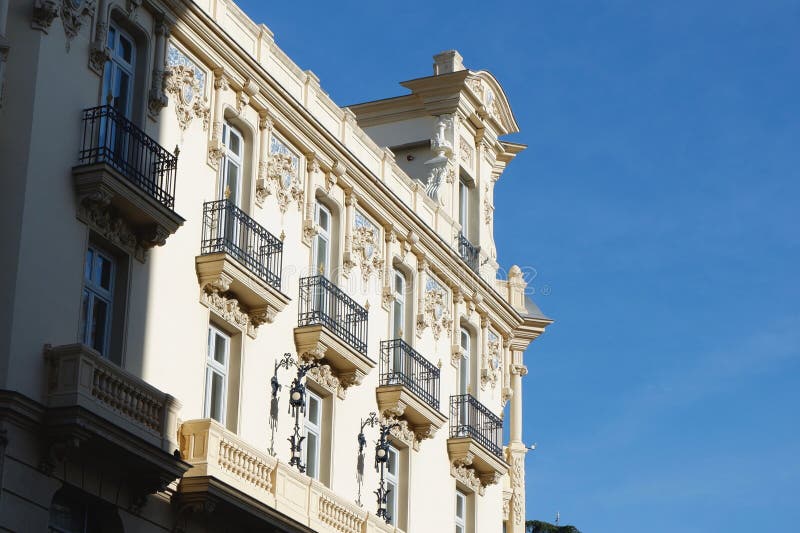
Classical Art Deco architecture is a style that emerged in the 1920s and 1930s, characterized by a unique blend of modernity and tradition. This architectural style combines the geometric forms, luxurious materials, and ornate details of Art Deco with the classical elements of symmetrical designs, columns, arches, and pilasters. The result is a style that is both elegant and sophisticated, making it a timeless favorite among architects and designers.
A Brief History of Art Deco Architecture
Art Deco architecture originated in the 1910s and 1920s in Western Europe, where it was influenced by the Cubist movement, the Ballets Russes, and the discovery of Tutankhamun's tomb in 1922. The style quickly gained popularity in the United States, where it was influenced by the availability of new materials such as stainless steel and plastic. The Roaring Twenties, a decade marked by post-war prosperity and a fascination with modernity, technology, and the exotic, found its visual expression in buildings that exuded glamour, sophistication, and a sense of forward momentum.
Characteristics of Classical Art Deco Architecture
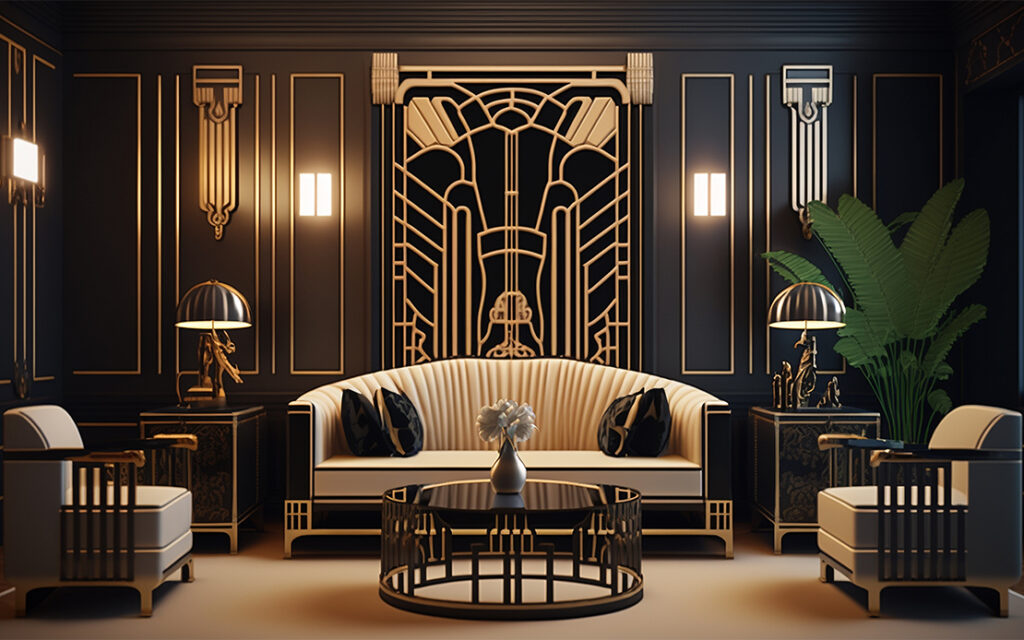
- Geometric Forms: Classical Art Deco architecture is characterized by bold geometric shapes, such as stepped facades, zigzags, chevrons, and sunburst motifs.
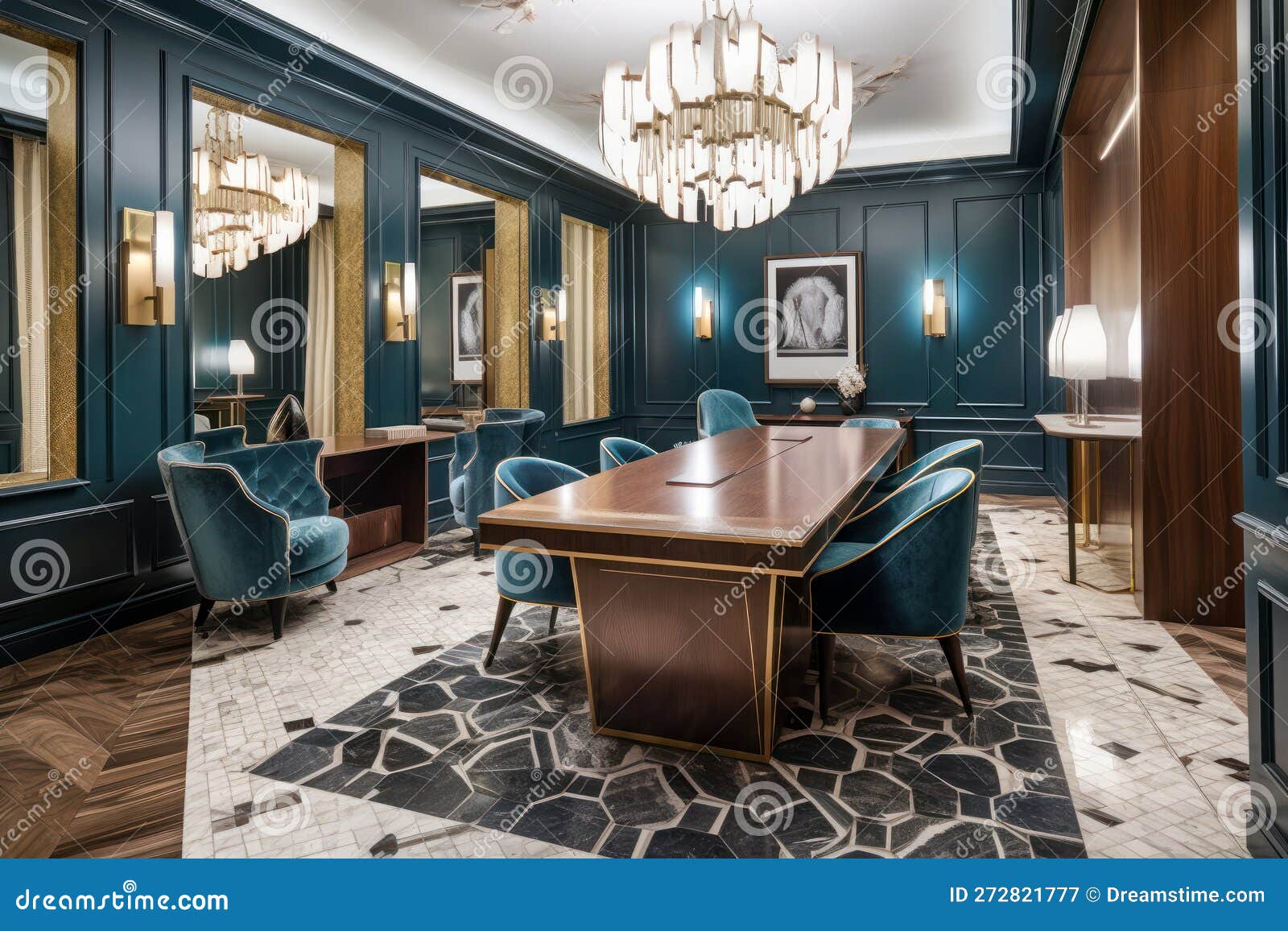
- Luxurious Materials: This style often features luxurious materials such as marble, granite, and metal, which add to its sense of opulence and grandeur.
- Classical Elements: Classical Art Deco architecture incorporates classical elements such as symmetrical designs, columns, arches, and pilasters, which add a sense of tradition and elegance.
- Ornate Details: This style often features ornate details such as chevrons, fluted patterns, and sunbursts, which add a sense of sophistication and refinement.
Examples of Classical Art Deco Architecture
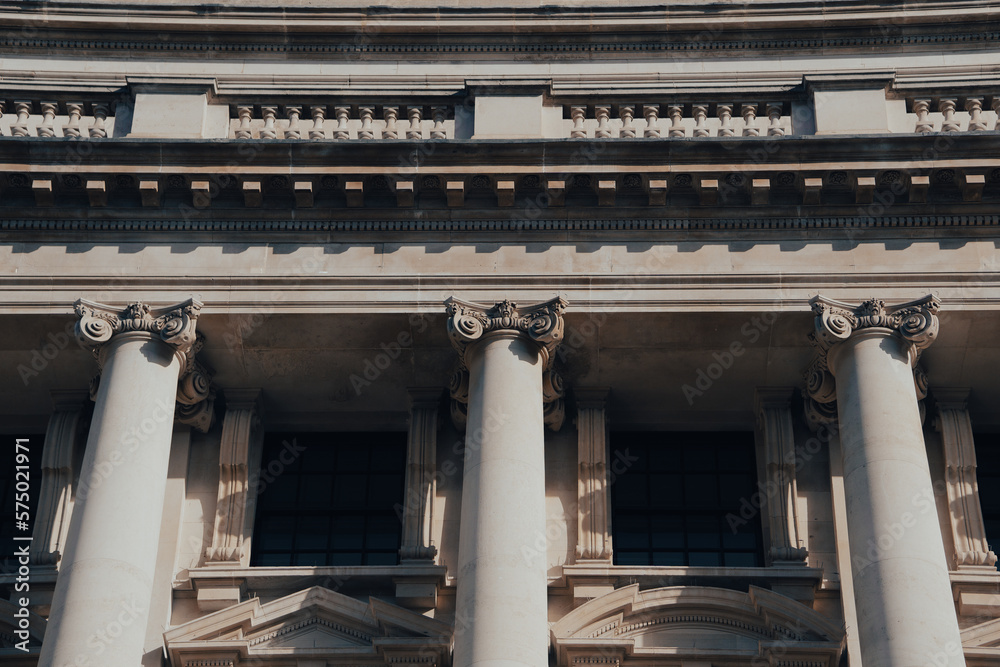
Some of the most famous examples of Classical Art Deco architecture include the Chrysler Building in New York City, the Empire State Building in New York City, and the Golden Gate Bridge in San Francisco. These buildings showcase the style's characteristic geometric forms, luxurious materials, and classical elements, and are renowned for their elegance and sophistication.
Impact of Classical Art Deco Architecture
Classical Art Deco architecture has had a lasting impact on design worldwide. Its blend of modernity and tradition has influenced countless architects and designers, and continues to inspire new generations of designers. The style's elegant and sophisticated aesthetic has made it a timeless favorite among architects and designers, and its influence can be seen in everything from skyscrapers to residential designs.
Conclusion
Classical Art Deco architecture is a style that embodies the perfect blend of modernity and tradition. Its unique combination of geometric forms, luxurious materials, and classical elements has made it a timeless favorite among architects and designers. Whether it's a grand skyscraper or a luxurious residential design, Classical Art Deco architecture is a style that exudes elegance, sophistication, and refinement.