Can Expired Vitamin C Be Taken?
As we strive to maintain a healthy lifestyle, supplements like vitamin C have become an essential part of our daily regimen. However, as these bottles collect dust on our shelves, a pressing question arises: can expired vitamin C be taken?
The Basics of Vitamin C Shelf Life
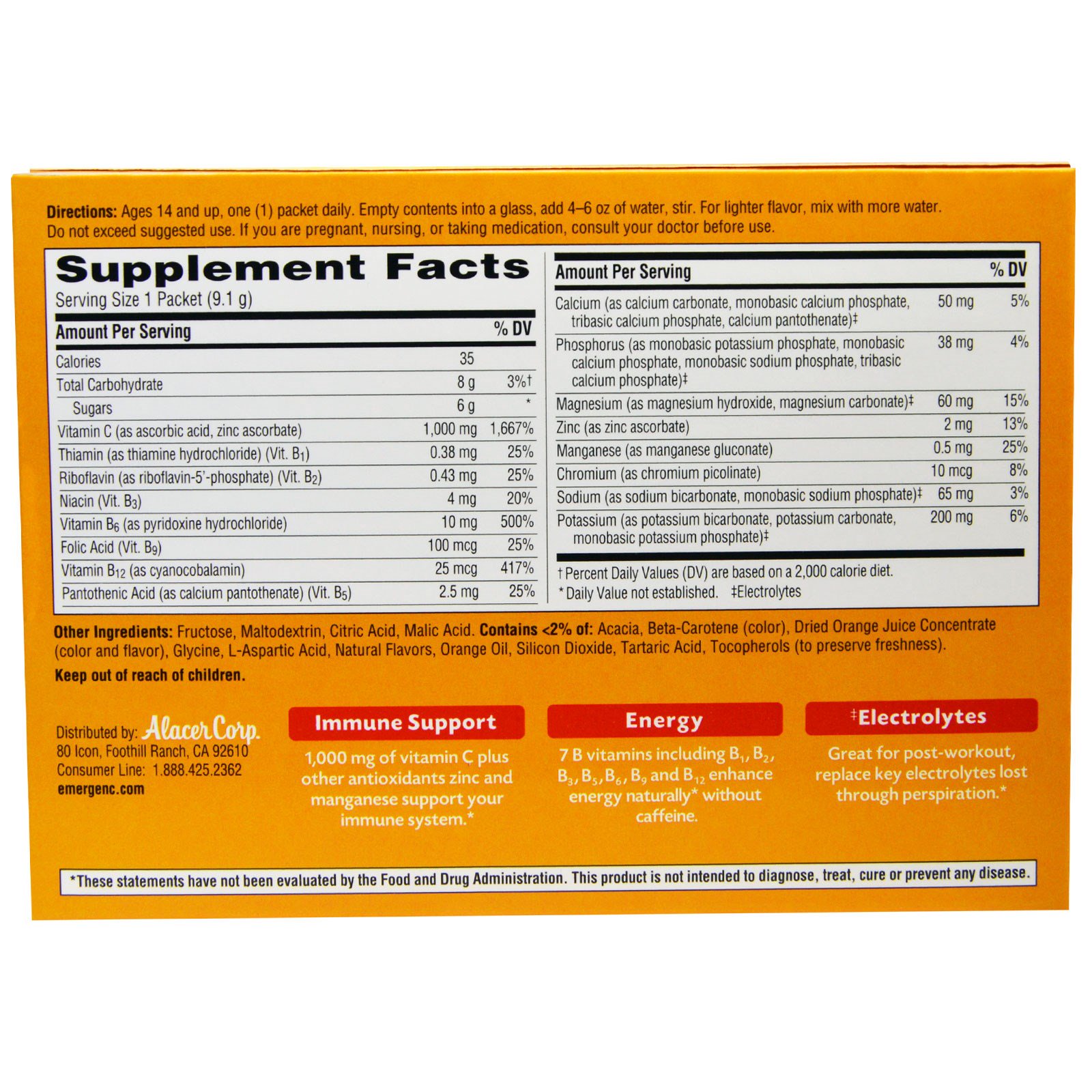
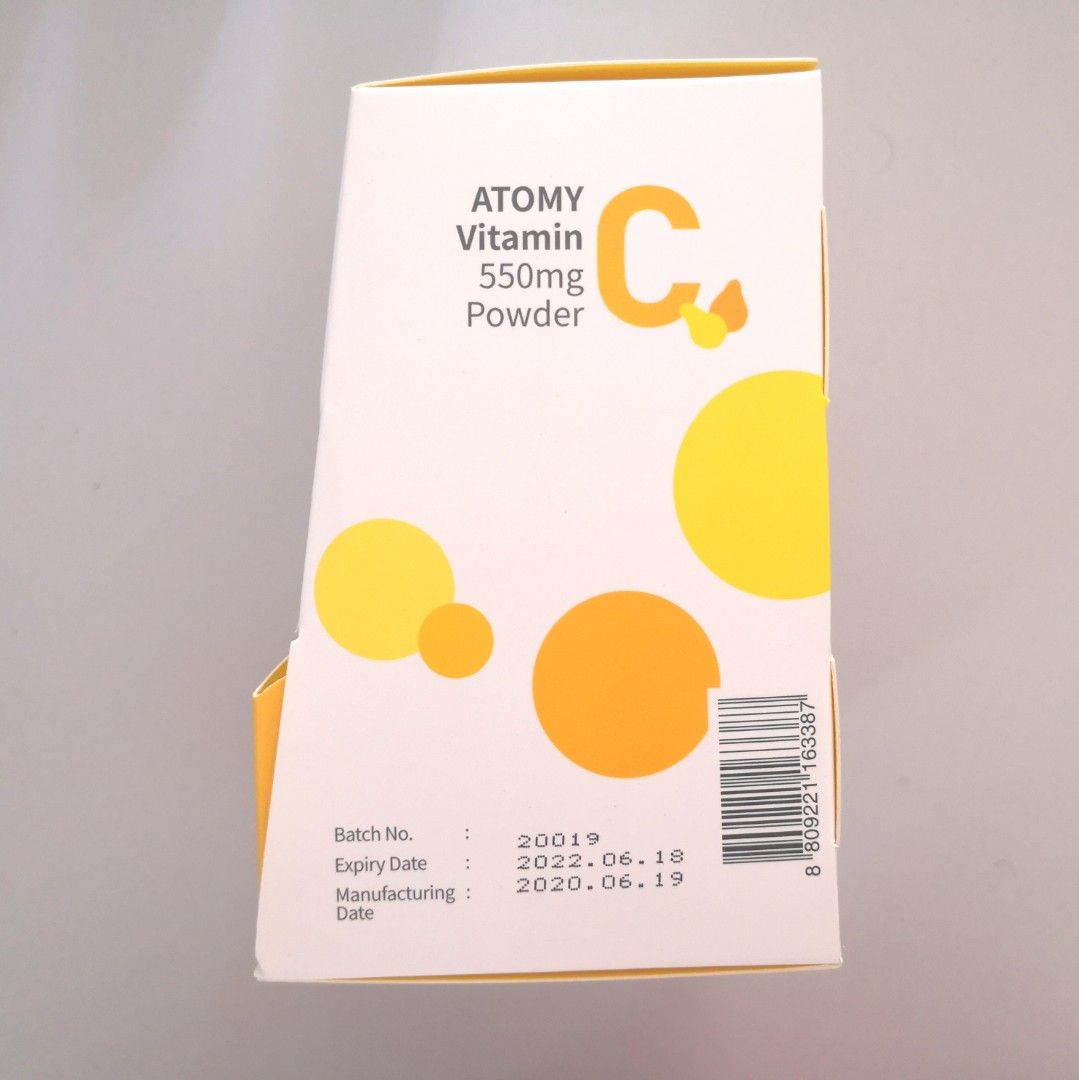
Technically, vitamin C supplements do expire, but not in the way that food does. While expired food can pose health risks due to spoilage, vitamin C generally only loses potency over time. Most vitamin C products have a shelf life of around two years, with a best-by date indicating the period during which the manufacturer guarantees the product's potency.
Factors Affecting Vitamin C's Shelf Life
- The form of the supplement: Vitamin C can be found in various forms, including ascorbic acid, sodium ascorbate, and calcium ascorbate. The stability of these forms can affect their shelf life.
- Storage methods: Proper storage in a cool, dry place, away from light, can help maintain vitamin C's potency.
- Manufacturing date: The date of production can impact the shelf life of vitamin C supplements.
Understanding Vitamin C's Role
Vitamin C plays several crucial functions in our bodies:
- Collagen Production: Essential for maintaining healthy skin, blood vessels, and connective tissues.
- Immune System: Plays a vital role in the production of white blood cells, which help fight off infections.
- Antioxidant Properties: Helps protect cells from damage caused by free radicals.
The Safety of Taking Expired Vitamin C
Taking expired vitamin C is generally considered safe, but there are caveats. If the product has been stored correctly and shows no signs of degradation, consuming it shortly after its expiration date is unlikely to cause harm. However, it's essential to inspect the supplement before use, as expired vitamin C may lose some of its potency.

Potency Loss Over Time
According to research, vitamin C can significantly degrade after its expiration date. A study published in the Brazilian Journal of Pharmaceutical Sciences showed that nearly 92% of vitamin C supplements lost considerable concentrations of the vitamin after just 12 months of storage.
Key Takeaways
- Expired vitamins are generally safe to consume, but they may lose some of their potency over time.
- Factors like the form of the supplement, storage methods, and manufacturing date can affect a vitamin's shelf life.
- Certain vitamins, such as vitamin C, K, and B-1, may degrade more quickly than others.
Conclusion
While expired vitamin C may not be as effective as a fresh supplement, taking it is generally considered safe. However, it's essential to store supplements properly and inspect them before use to ensure their potency. By understanding the shelf life of vitamin C and its role in our bodies, we can make informed decisions about our health and wellness.
Disposal Methods
When it comes to disposing of expired vitamin C, it's essential to follow proper guidelines:
- Check with your local pharmacy or healthcare provider for guidelines on disposing of expired supplements.
- Consider donating unused supplements to a local food bank or community organization.
- Properly dispose of expired supplements by wrapping them in a sealed bag and throwing them away in the trash.




:max_bytes(150000):strip_icc()/PatriciaHoroszPharmD-84c93052b564466eab5bcb3ca2aa5b0a.png "Glutathione: Benefits and Supplements - WebMD")