Getting a Job in the DevOps Industry: A Guide to a Rewarding Career
Getting a job in the DevOps industry can be a highly rewarding career move, offering a wide range of opportunities for professionals who are passionate about bridging the gap between software development and IT operations. With the increasing demand for DevOps Engineers and specialists, it's an exciting time to consider a career in this field.What is DevOps?
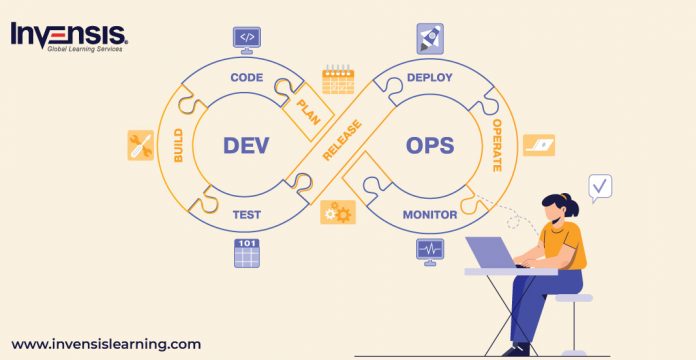
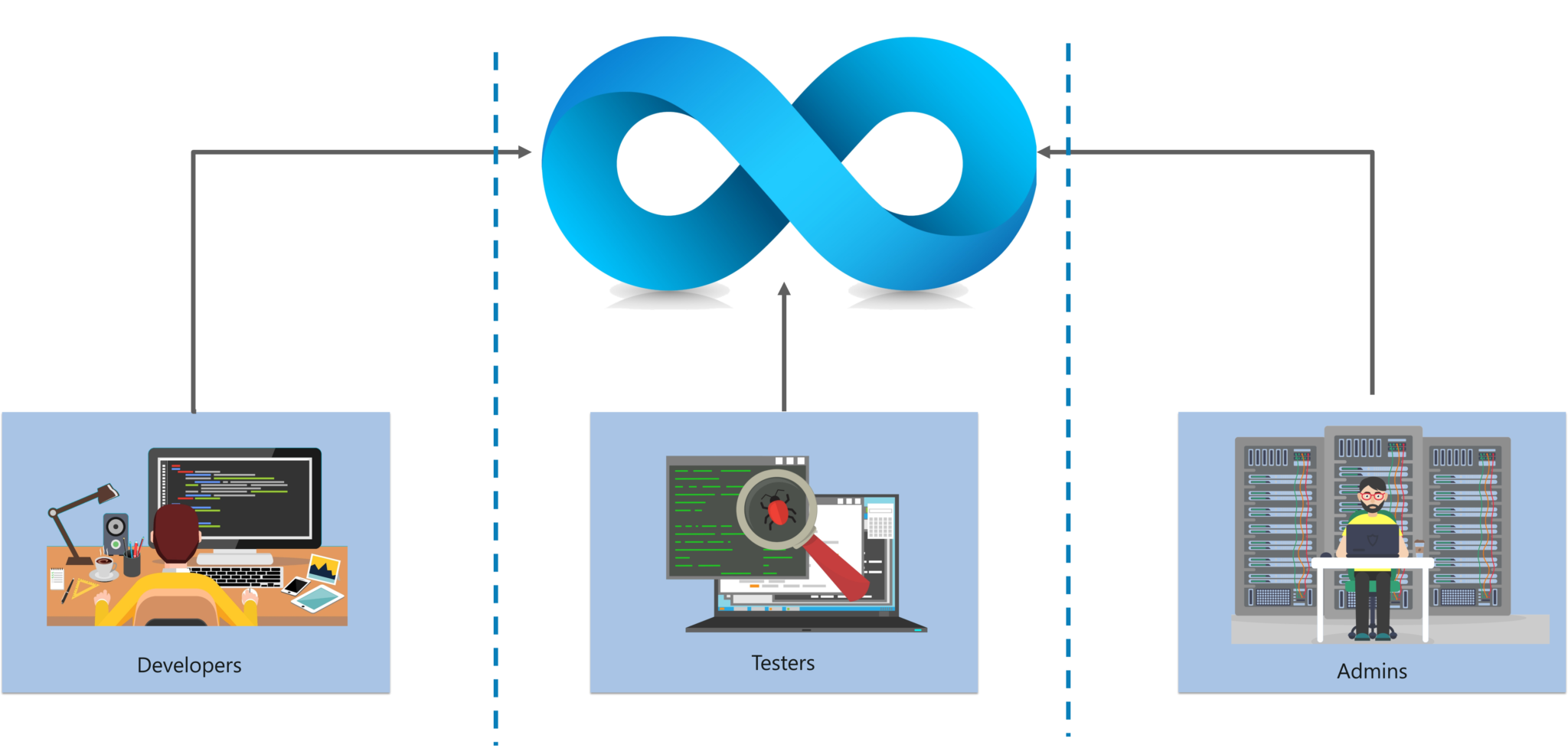
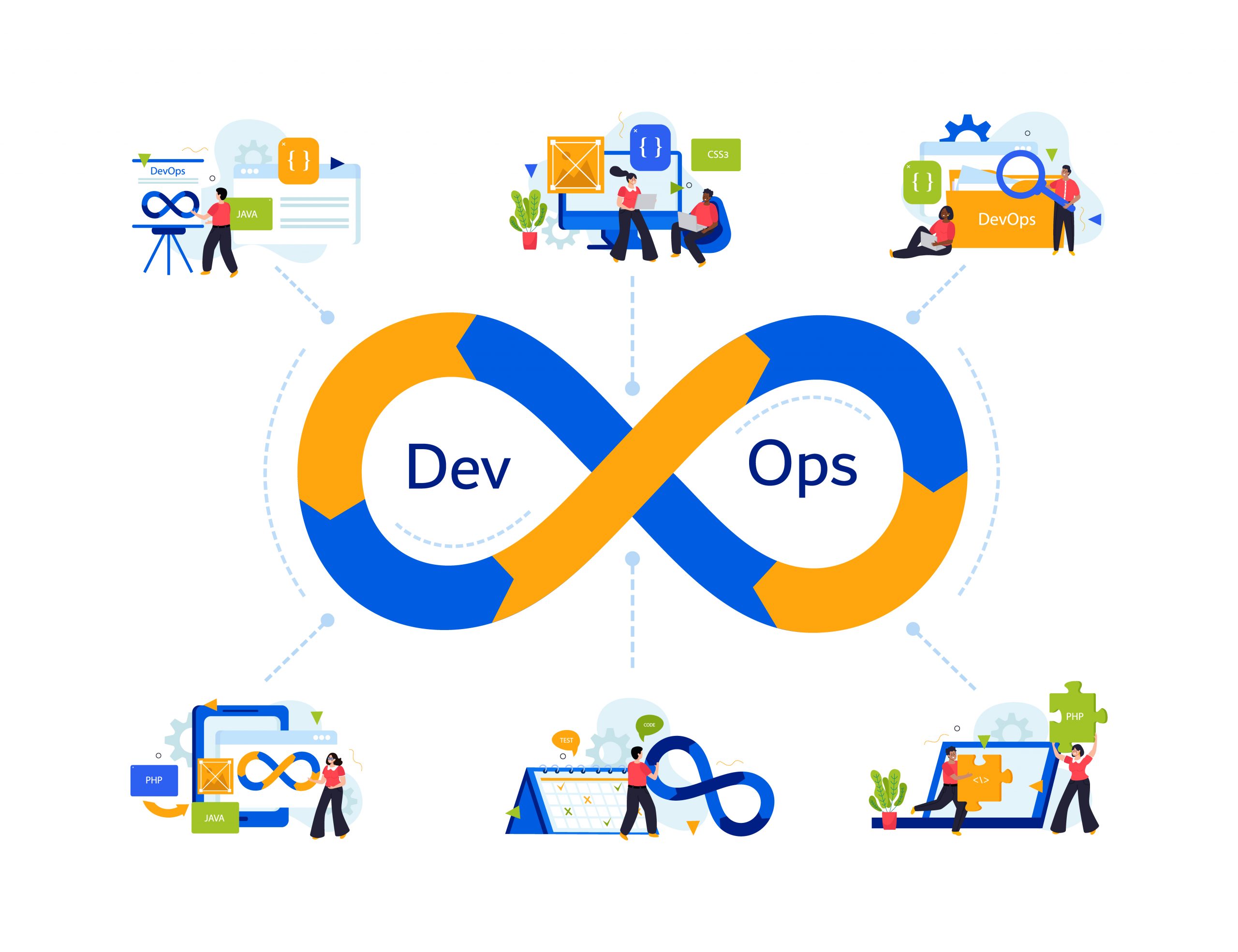
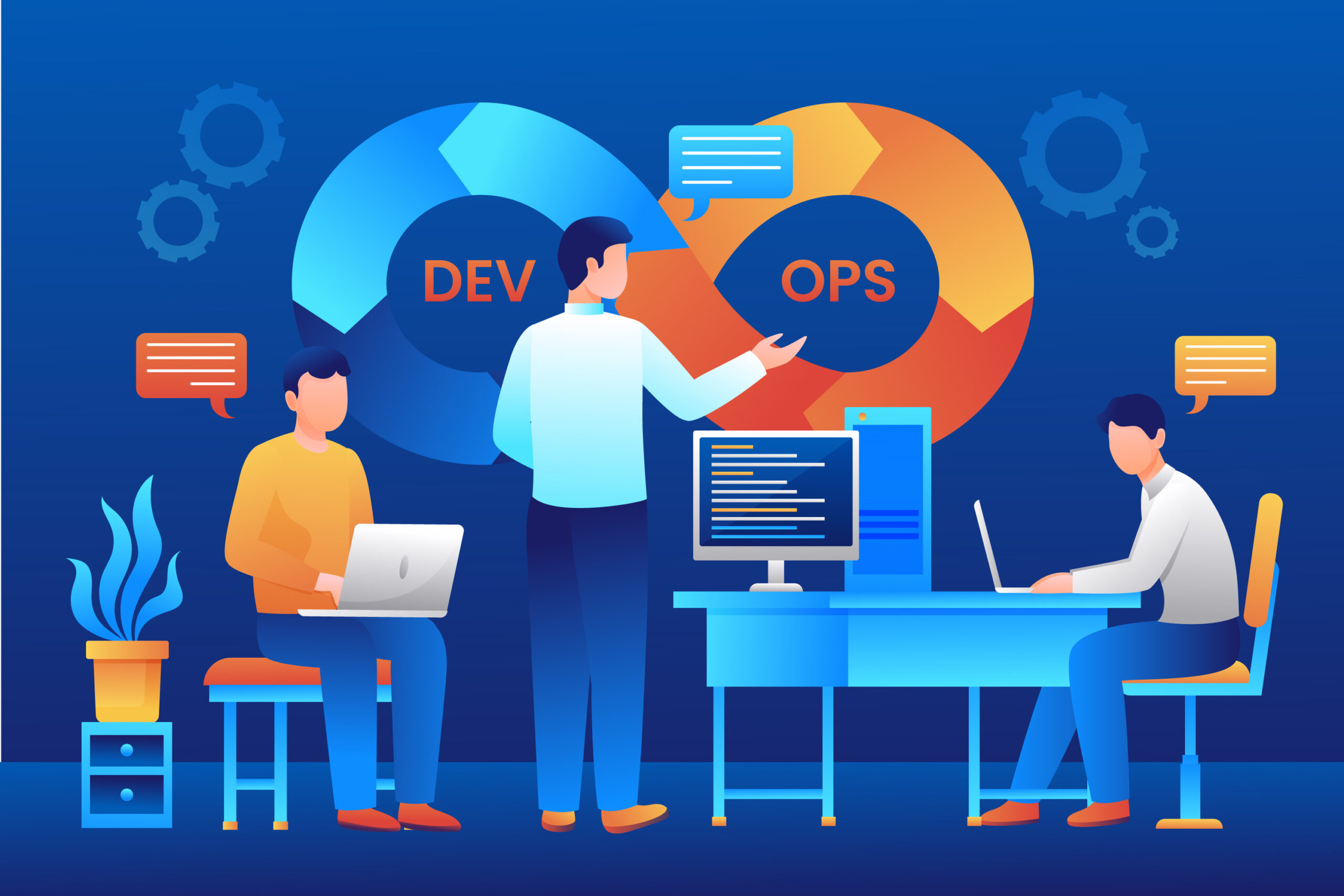
Before we dive into the process of getting a job in the DevOps industry, it's essential to understand what DevOps is. DevOps is a set of practices that combines software development (Dev) and IT operations (Ops) to improve the speed, quality, and reliability of software releases. It focuses on collaboration, automation, continuous integration, and continuous delivery to enable organizations to deliver software faster, more reliably, and at scale.Why Choose a Career in DevOps?
The DevOps industry offers a wide range of job opportunities, from entry-level positions to management roles. With the increasing demand for cloud computing, DevOps Engineers are in high demand, and salaries can be highly competitive. According toIndeed.com, there are currently over 3,250 DevOps jobs available in the United States, with an average salary range of $110,000 to $160,000 per year.Getting Started in DevOps
So, how do you get started in DevOps? Here are some steps to follow:- Gain relevant skills: Familiarize yourself with tools such as Docker, Kubernetes, and Ansible. Learn about continuous integration and delivery tools like Jenkins and Travis CI. Understanding Linux and cloud platforms like AWS, Azure, or Google Cloud is also essential.
- Get hands-on experience: Participate in coding challenges, work on personal projects, or contribute to open-source projects to build a portfolio of your work.
- Network and make connections: Attend conferences, meetups, and online communities to connect with experienced DevOps professionals.
- Consider certifications: Obtain industry-recognized certifications like AWS Certified DevOps Engineer or Certified Scrum Master to demonstrate your expertise.
- Stay up-to-date: Continuously update your skills and knowledge to stay current with the latest trends and technologies in the industry.
Recommended Coursework and Certifications

- DevOps Engineer Certification: AWS Certified DevOps Engineer, Certified Scrum Master
- Cloud Platform Certifications: AWS Certified Solutions Architect, Microsoft Certified Azure Developer
- Agile and Scrum Certifications: Certified Scrum Master, Agile Certified Practitioner
- ITIL Certifications: ITIL Foundation, IT Service Management
Job Opportunities in DevOps
When it comes to job opportunities in DevOps, there are various roles to consider:- DevOps Engineer: Work with development and operations teams to design, implement, and maintain systems and processes to improve efficiency and quality.
- Release Engineer: Oversee the deployment and maintenance of software applications, focusing on testing, quality control, and release management.
- Lean/Agile Coach: Help teams improve their workflow and efficiency using Lean and Agile methodologies.
- Cloud Engineer: Design, build, and maintain cloud-based systems and infrastructure.

![DevOps Career Path: Updated Guide [2025] - Scaler](http://10pie.com/wp-content/uploads/2023/10/devops-jobs-on-LinkedIn.png "DevOps Career Path: Updated Guide [2025] - Scaler")
![Become A DevOps Engineer in 2026: [A Practical Roadmap]](https://integrio.net/static/3704c20eff0bd25afc7f040db1c50eff/essential-roles.png "Become A DevOps Engineer in 2026: [A Practical Roadmap]")