The Ultimate Guide to Heat Guns: Unlocking Their Full Potential
Heat guns have become an essential tool for both DIY enthusiasts and professionals alike. These versatile power tools offer a range of applications, from stripping paint and varnish to heating and bending plastics. In this comprehensive guide, we'll delve into the world of heat guns, exploring their different types, features, and uses. Whether you're a seasoned pro or a newcomer to the world of power tools, this article will provide you with the insights and expertise to unlock the full potential of heat guns.
What is a Heat Gun, and How Does it Work?
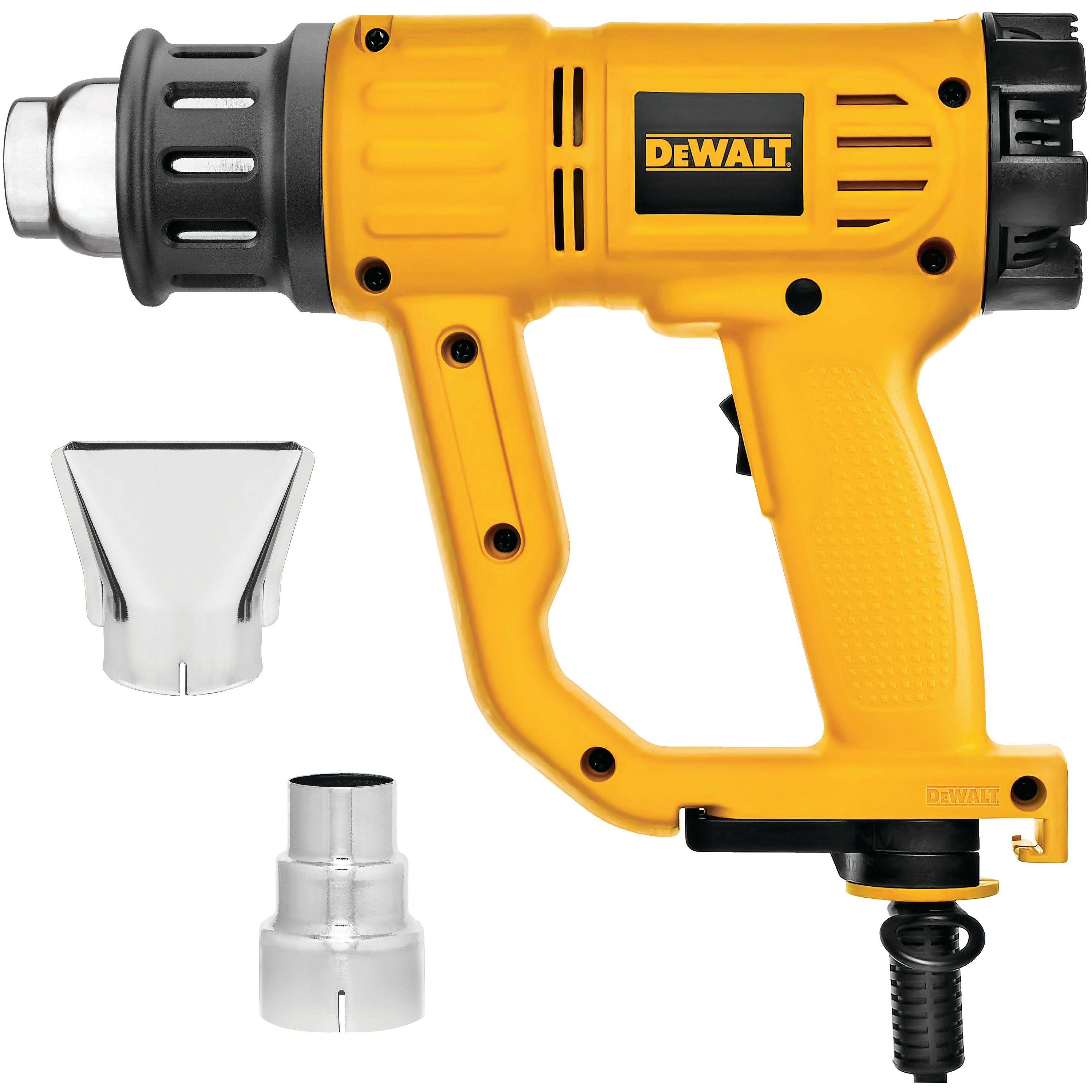
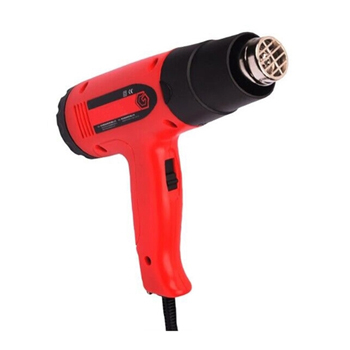
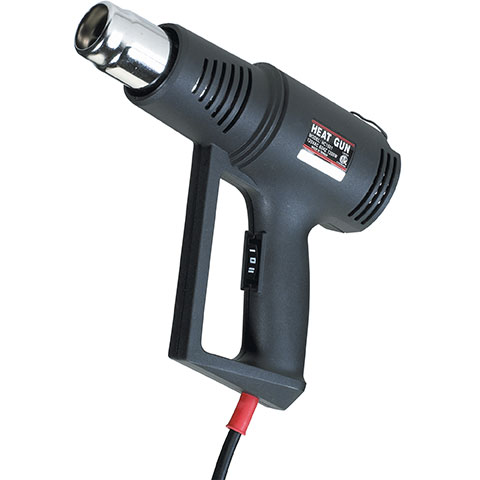
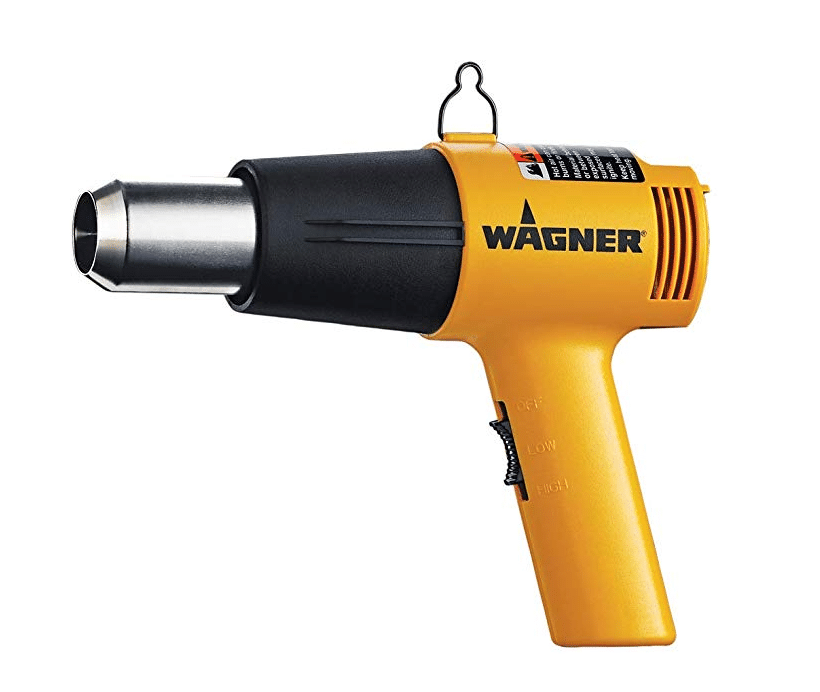
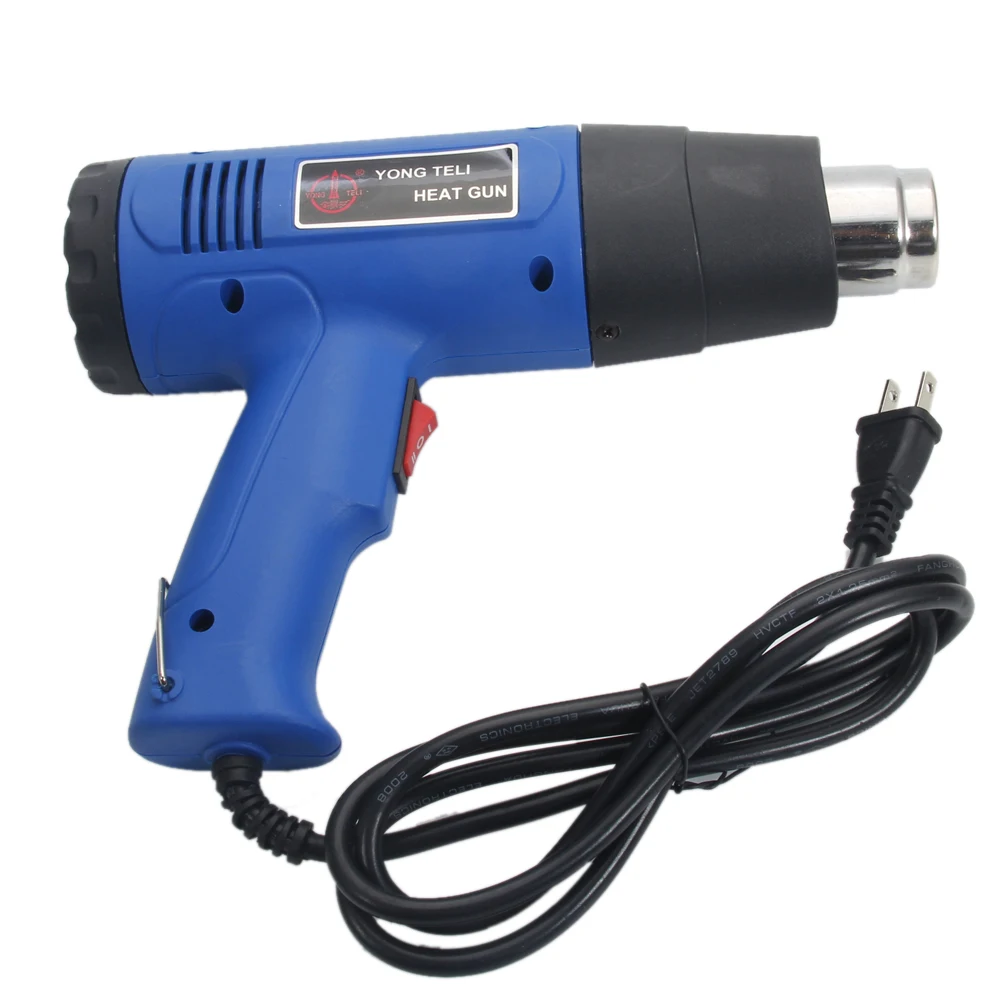
A heat gun, also known as a blower or heat blower, is a handheld electrical tool that uses a heating element to produce a high-velocity stream of hot air. This air stream is typically directed at a surface, where it can be used for various tasks such as paint stripping, heating and bending plastics, and softening adhesives. Heat guns typically operate on electrical power, ranging from 120 to 240 volts, and offer variable temperature settings to accommodate different tasks.
The Different Types of Heat Guns
- Standard Heat Guns: These are the most common type of heat gun, offering a basic temperature range of up to 500°F (260°C) and are ideal for general-purpose tasks such as stripping paint and varnish.
- Digital Heat Guns: These heat guns feature digital temperature displays, allowing for precise temperature control and are often used in applications where accuracy is critical, such as in professional painting and decorating.
- High-Temperature Heat Guns: These heat guns are designed for high-temperature applications, offering temperature ranges of up to 1,000°F (538°C) and are commonly used in industries such as aerospace and automotive.
- Cordless Heat Guns: These heat guns offer the convenience of cordless operation, making them ideal for tasks that require mobility and flexibility.
The Benefits of Heat Guns
Heat guns offer a range of benefits, including:
- Flexibility**: Heat guns can be used for a wide range of tasks, from stripping paint and varnish to heating and bending plastics.
- Efficiency**: Heat guns can complete tasks quickly and efficiently, reducing the time and effort required for many applications.
- Precision**: Digital heat guns offer precise temperature control, allowing users to achieve consistent results and avoid damaging surfaces.
- Safety**: Heat guns provide a safe and controlled method for applying heat, reducing the risk of burns and other injuries.
The Best Heat Guns for Different Applications
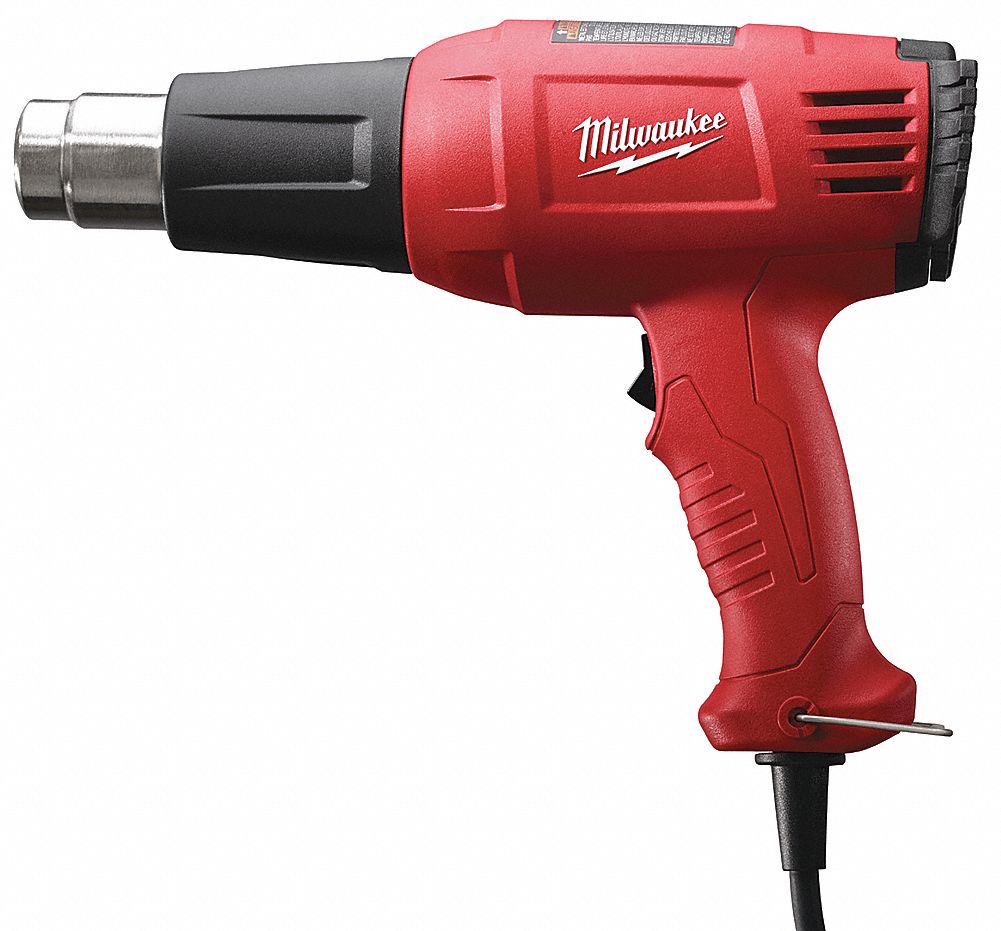
When it comes to selecting a heat gun, it's essential to choose a model that's suitable for the specific application. Here are some recommendations for the best heat guns for different tasks:
- Paint Stripping**: The Master Appliance Heat Gun 400F is a great option for paint stripping, offering a temperature range of up to 400°F (200°C) and a powerful airflow of 27 cfm.
- Heating and Bending Plastics**: The Steinel HL 1920 E Heat Gun is ideal for heating and bending plastics, featuring a temperature range of up to 1,100°F (593°C) and a 3-stage switch for precise control.
- Softening Adhesives**: The EVERSTART Handheld Heat Gun is a great option for softening adhesives, offering a temperature range of up to 500°F (260°C) and a compact design for easy handling.
Conclusion
In conclusion, heat guns are versatile and powerful tools that can help you achieve professional results in a range of applications. From paint stripping and heating and bending plastics to softening adhesives and more, heat guns offer a safe and efficient method for applying heat. By understanding the different types of heat guns, their features, and benefits, you can select the best heat gun for your needs and unlock its full potential.