Understanding Transistor Testing: A Comprehensive Guide
A transistor is a semiconductor device that plays a crucial role in modern electronics. It acts as a switch or an amplifier, and its proper functioning is essential for the overall performance of electronic circuits. However, transistors can fail or become degraded over time, leading to circuit malfunctions. To identify and troubleshoot issues with transistors, transistor testing is a fundamental skill that every electronics enthusiast and professional should possess.
The Basics of Transistor Testing
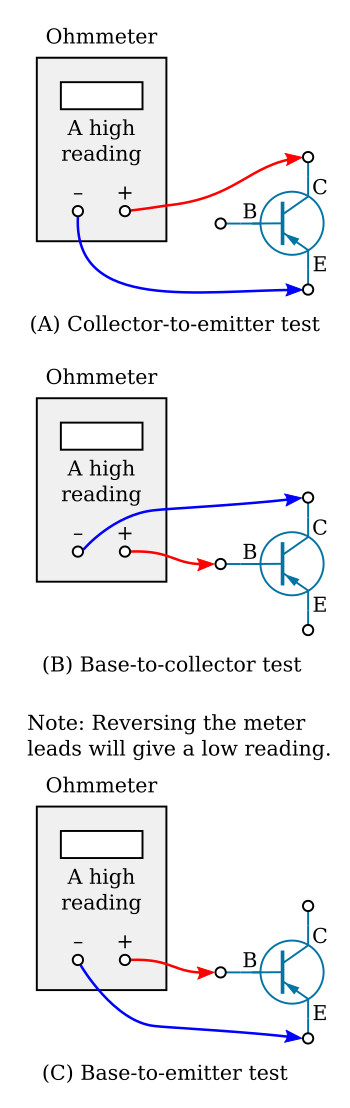
A transistor is essentially two diodes connected back-to-back. This unique configuration allows transistors to amplify or switch electrical signals. To test a transistor, you can use a multimeter in diode test mode or a dedicated component tester. This article will guide you through the process of transistor testing using a multimeter, highlighting the importance of understanding transistor theory and the different types of transistors.
Transistor Testing Theory
Transistor testing involves measuring the voltage drop between the transistor's terminals, similar to a diode test. By understanding the fundamental theory of transistors, you can identify the type of transistor (NPN or PNP) and diagnose faults quickly. The PN junction is a diode, and a transistor is like a pair of diodes connected together. This basic principle is essential for accurate transistor testing results.
Type of Transistors and Testing
There are several types of transistors, including NPN, PNP, MOSFET, and JFET. Each type has its unique characteristics and testing procedures. To ensure accurate results, it's crucial to refer to the datasheet or reference manual for the specific transistor being tested. This article will cover the testing procedures for various types of transistors, including NPN, PNP, MOSFET, and JFET.
Transistor Testing with a Multimeter
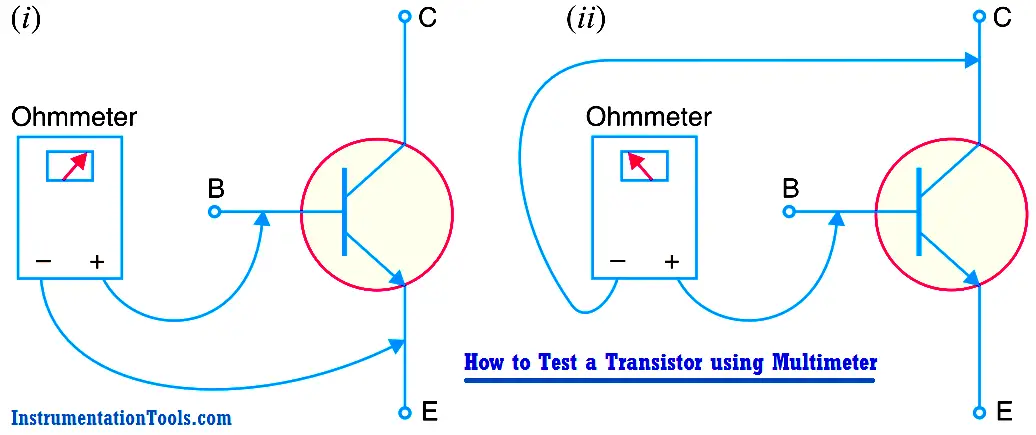
Using a multimeter in diode test mode is an essential skill for transistor testing. By following a step-by-step guide, you can learn how to test transistors without soldering them out. This article will provide a detailed tutorial on how to test transistors using a multimeter, covering topics such as:
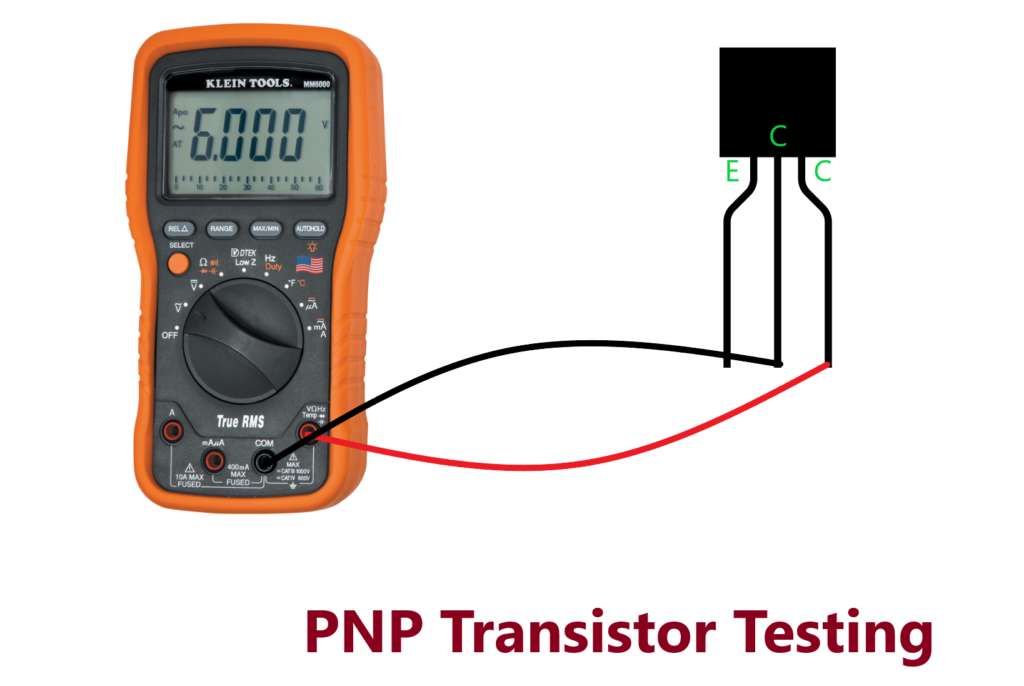
- How to test NPN and PNP transistors
- How to check hFE (current gain)
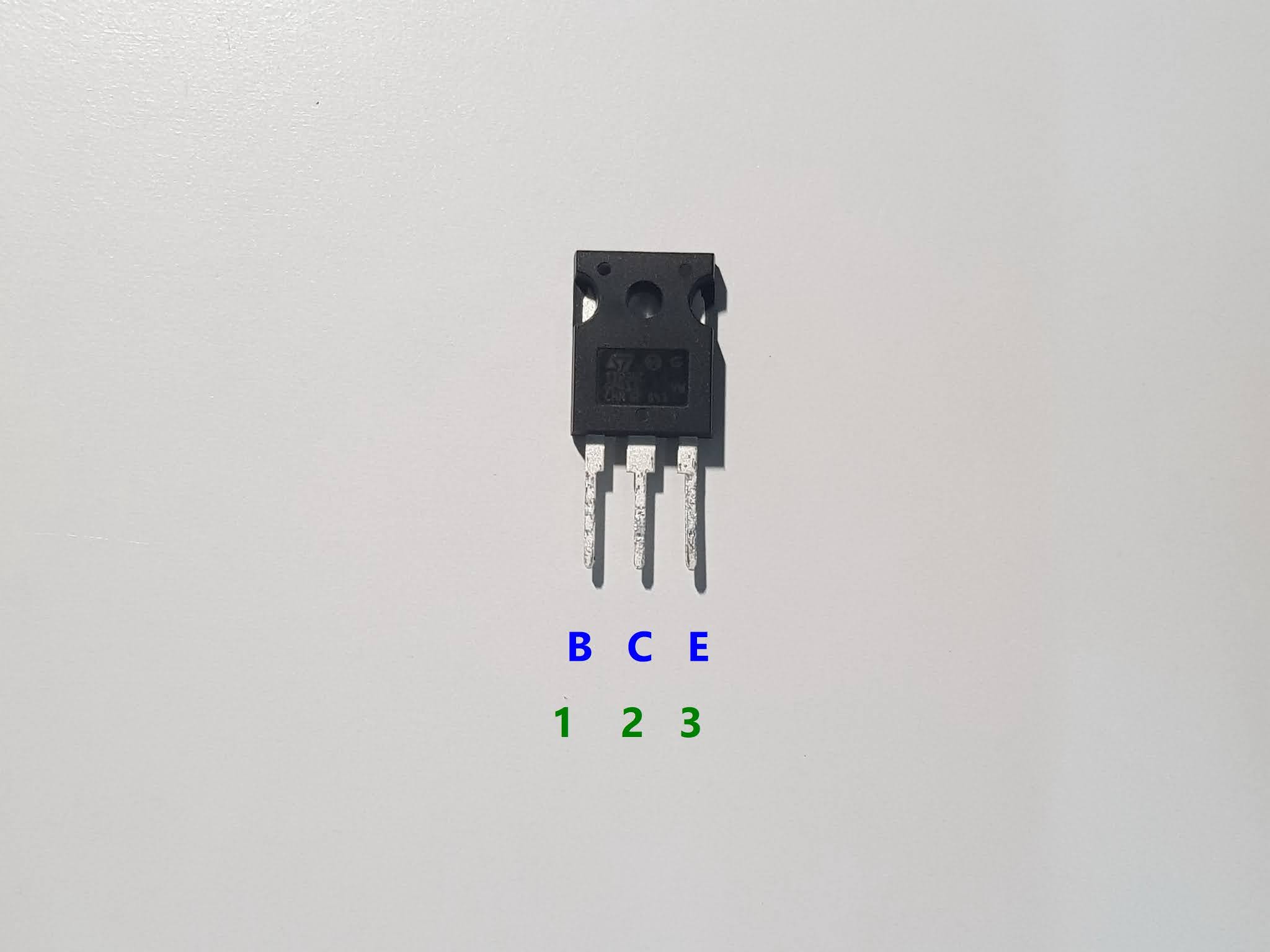
- How to identify pins and diagnose faults
- How to test transistors without soldering them out
Preventing Future Failures in Circuits
A faulty transistor can prevent a circuit from functioning properly. To prevent future failures, it's essential to identify and replace faulty transistors. This article will provide tips and guidelines on how to prevent future failures in circuits, highlighting the importance of transistor testing and regular maintenance.
Transistor Testing Market Analysis
The transistor testing market is growing rapidly, driven by the increasing demand for semiconductors in various industries. According to a recent market analysis, the transistor testing market is expected to reach $37.2 billion by 2025, growing at a CAGR of 4.9%. This article will provide an overview of the transistor testing market, highlighting key drivers, trends, and restraints.
Conclusion
Transistor testing is a critical skill for electronics enthusiasts and professionals. By understanding transistor theory and using the right testing procedures, you can identify and troubleshoot issues with transistors, preventing circuit malfunctions and ensuring reliable performance. This article has provided a comprehensive guide to transistor testing, covering the basics, testing theory, type of transistors, and testing procedures using a multimeter. By following this guide, you'll be well-equipped to tackle any transistor testing challenge.