Bank Account Security for Online Banking: A Comprehensive Guide
With the increasing popularity of online banking, it has become imperative for individuals to take the necessary precautions to secure their online bank accounts and apps. This article aims to provide a comprehensive guide on the best practices that can be employed to secure your online bank accounts.
The Risks of Online Banking
Online banking can be vulnerable to various types of cyber threats, such as hacking, phishing, and identity theft. Cyber threats are evolving alarmingly, with hackers constantly developing new methods to breach security systems and steal financial data. This makes online banking security a good idea and an absolute necessity.
7 Tips to Enhance Online Banking Security
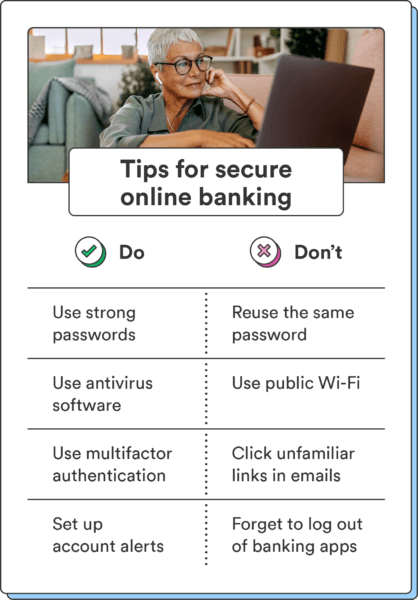
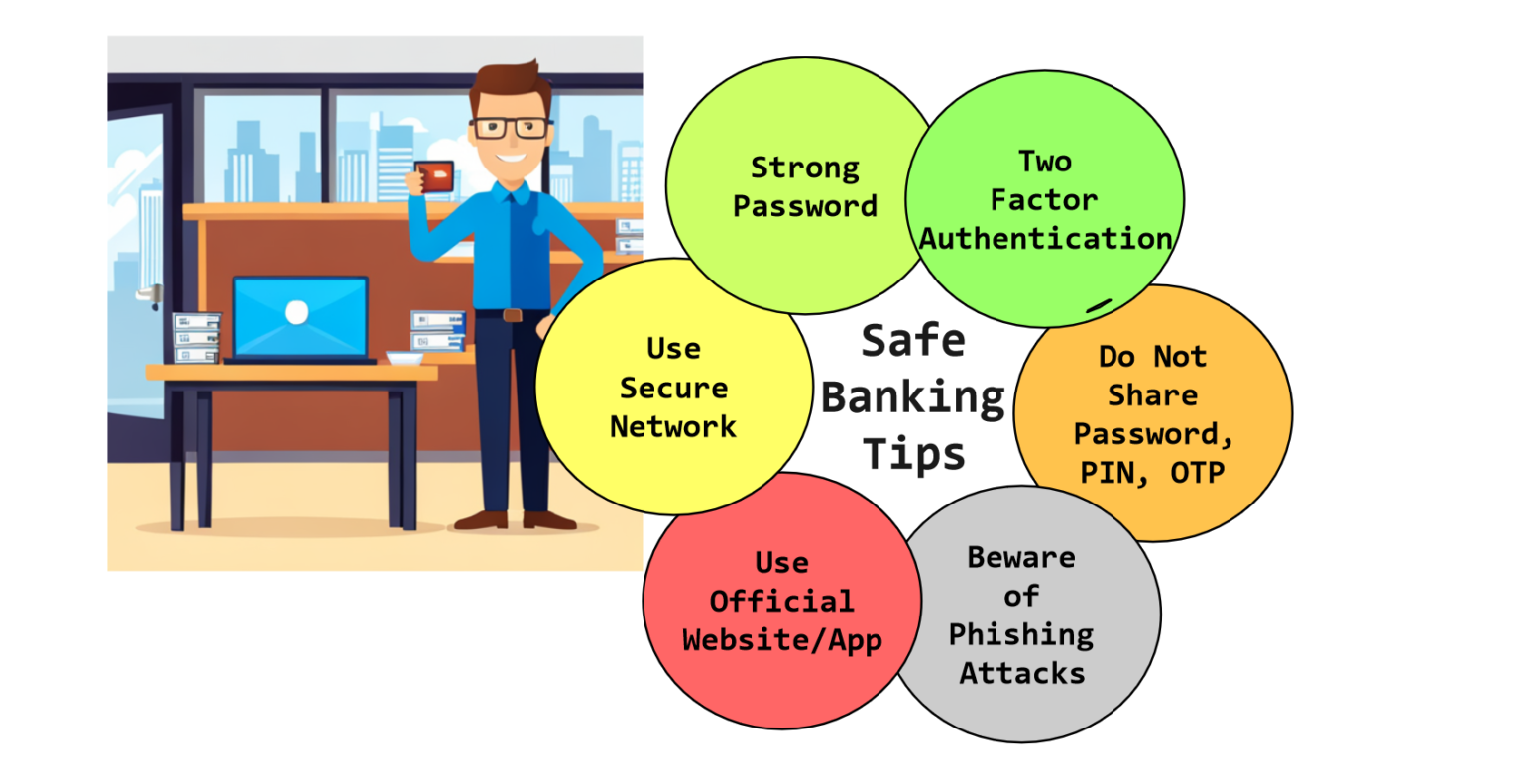
- Strong Passwords: Use complex and unique passwords for your online banking account. Avoid using easily guessable information such as your name, birthdate, or common words. Consider using a password manager to generate and store secure passwords.
- Multi-Factor Authentication (MFA): Enable MFA for your online banking account to add an extra layer of security. This can include using a one-time password (OTP) sent to your phone or email, or a biometric authentication method like fingerprint or facial recognition.
- Keep Software Up-to-Date: Ensure that your device's operating system, browser, and other software are updated with the latest security patches. This will help protect you from known vulnerabilities that can be exploited by hackers.
- Be Cautious of Phishing Emails and Messages: Phishing attacks often target online banking users, attempting to trick them into revealing sensitive information. Be wary of suspicious emails or messages that ask you to provide login credentials or other sensitive information.
- Use a Secure Browser: Use a reputable and secure browser that is designed to protect against online threats. Consider using a browser that offers built-in security features, such as password management and encryption.
- Monitor Your Account Activity: Regularly review your account activity to detect and report any suspicious transactions. Set up account alerts to notify you of any unusual activity.
- Use Two-Factor Authentication for Mobile Banking: Enable two-factor authentication (2FA) for your mobile banking app to add an extra layer of security. This will help prevent unauthorized access to your account, even if your device is compromised.
Best Practices for Online Banking
To stay protected while using online banking, follow these best practices:
- Use a secure internet connection, such as a Wi-Fi network that requires a password.
- Use a reputable and secure browser that is designed to protect against online threats.
- Enable MFA for your online banking account to add an extra layer of security.
- Keep your device's operating system, browser, and other software updated with the latest security patches.
- Be cautious of phishing emails and messages that ask you to provide login credentials or other sensitive information.
- Monitor your account activity to detect and report any suspicious transactions.
- Use a password manager to generate and store secure passwords.
Conclusion
Bank account security for online banking is crucial to protect your financial information from cyber threats. By following these 7 tips and best practices, you can enhance the security of your online bank accounts and apps. Remember to always be cautious of suspicious emails, messages, and links, and to monitor your account activity regularly. By taking the necessary precautions, you can enjoy the convenience of online banking while keeping your financial information safe and secure.
Resource Links
Below are some additional resources that provide more information on online banking security:
- FDIC-Insured: Backed by the full faith and credit of the U.S. Government
- OnlineBanking: Secure and Convenient Banking
- Benefits of Online Banking
- OnlineBanking Security: Protecting Your Account Information
- Secure Online Banking: A Guide to Staying Safe
Online Banking Services
The following banks offer online banking services that allow you to securely access your accounts, pay bills, transfer funds, and more:
![Online Banking Security: 10 Tips From a Tech Expert [2026]](https://www.gadgetinsiders.com/wp-content/uploads/2025/01/70-Essential-Tips-for-Online-Banking-Security-1-3.webp "Online Banking Security: 10 Tips From a Tech Expert [2026]")